Showing posts with label exercise. Show all posts

Wednesday, May 19, 2010

My Current Health Regimen v2.0

One of the changes has been an increase in fruit and vegetable intake.
One of the changes has been an increased intake of fruit and vegetables. (Photo by YimHafiz)

This is my updated health regimen, aimed at adding a significant number of healthy years to my expected lifespan. As it's subject to change, I will keep this post updated accordingly. Major revisions (such as v2.0) will appear once a year or so; minor changes (such as v2.1) will be made as needed. With every major revision, I will move the post from the archives to the front page.

Since a long, healthy life is preferable to a short life by most people, following the regimen would make sense even without considering technological innovations. The true goal of my regimen, however, is to stay alive long enough to see rejuvenation therapies become a reality. In the long run, each year that I'm able to add to my expected lifespan now through things like dietary changes, exercise, and supplements, may grant me several extra years in the future.

Therefore, even those lifestyle changes that require considerable effort and resources while offering a seemingly limited benefit, make sense if one looks at the big picture. For a chance to see the world in 2090, I'm willing to skip the cheeseburger today.

My health regimen consists of four categories: diet, supplements, physical exercise, and brain health. All of the items under each category have some kind of scientific basis, and in contrast to my ongoing experiments, will remain a part of the regimen for the time being. Therefore, my current experiments are not a part of my long-term health regimen – unless they prove to be beneficial, in which case they'll be moved from ongoing experiments to the regimen.

Main changes from v1.0: none.

Avoiding harmful foods

The most important part of my diet is avoiding unhealthy things; increasing the intake of healthy things only comes in second. This is because preventing damage from happening in the first place is easier than repairing it later on.

I consider the worst culprit of modern diets to be an emphasis on grain products, fructose, and polyunsaturated fatty acids. There's considerable evidence to suggest that most people would do much better without them. Hence, things like pasta, rice, bread, candy, fruit juices, and most vegetable oils are off the daily menu. I only eat them rarely, and then simply because they taste good. For the past few months, I've allowed myself to eat whatever I want once a week (usually foods like pizza or fresh bread), which seems to be working well.

I originally cut back on my fruit intake, which used to be quite high some years ago, because I learned that fructose increases triglycerides especially in men, and fructose is not handled very well by the body in general. I later learned that fructose also forms AGEs much more rapidly than glucose, which kept me from reintroducing most fruits to my diet and eat berries instead, since they contain more nutrients per fructose calorie. However, I've now increased even my fruit intake a little, having read more about the AGE-inhibiting effects of phytonutrients found in fruit. I will expand on this later, but for an example of what I'm talking about, see my post about carotenoids inhibiting lipid peroxidation.

While much of this fits well with paleo dieting, I also diverge from the paleo diet these days. You may or may not remember that I used to be a potato hater back in the day, both because they could not be eaten raw (making them anti-paleolithic) and because of their high carb content. Basically, potatoes are just empty calories. But once you have your insulin sensitivity and blood glucose under control, I don't think a few potatoes now and then is much of a concern. At least they're low in fructose.

As you may recall, I followed a low-carb diet for the past year with an emphasis on paleo foods. I got on the low-carb, high-fat wagon in the first place to prove that eating a diet high in fat does not make you fat – and it didn't. However, this diet combined with my year-long intermittent fasting experiment resulted in a moderate-to-high intake of protein, the longevity effect of which I'm now questioning. To lower my protein intake slightly means eating either more fat or more carbohydrates, and since my fat intake is already very high, I've reintroduced some carbs into my diet. That is, I now occasionally eat potatoes not because I think they are necessary for health, but because they are low in protein. More on protein and longevity in future posts.

I still don't make nuts a dietary staple, because of their poor omega-3/omega-6 ratio and because I like to keep my PUFA intake low. That is, I aim not only for a good ratio of omega-3 and omega-6 fatty acids, I try not to eat too much of them in general. Omega-3 is particularly prone to undergo lipid peroxidation, and while nuts probably have micronutrients that protect them from oxidation to some degree, I'm playing it safe until I learn more.

Main changes from v1.0: slightly increased carb intake, slightly decreased protein intake, slightly decreased polyunsaturated fatty acid intake.

Eating healthy foods

Despite eating some more carbs these days, my diet is still fairly low in carbohydrates. My daily intake used to be around 100 grams; I have not measured my current intake, but I suspect it's around 100-150 grams these days. My main protein sources used to be meat, fish and eggs, but during the past year I've cut back on eating eggs because of their high methionine content. I'm still figuring out whether methionine restriction makes sense in humans, but in the meantime I limit my egg intake to 3-4 eggs a week.

Sources of fat, in the order of importance, are olive oil, palm oil, butter, cocoa butter, coconut milk, ghee, coconut oil, and sesame oil. Olive oil tops the list because I love the taste and because it's high in MUFAs but low in PUFAs and consistently does well in just about every health study. There may not be anything magical about MUFAs per se, but even if it's the polyphenols in olive oil that are behind all the positive health effects, olive oil still seems like a good choice. Palm oil is there because it's rich in tocotrienols (at least compared to other natural foods), low in PUFAs and high in SAs (making it suitable for heating), and because I've grown to like the taste.

Lard is off the menu for now because I ran out. Heavy cream has been replaced by coconut milk, partly because of dairy products increasing IGF-1, which may be bad for longevity (more on that in future posts). I don't eat cocoa butter raw (although I could, it's delicious), but I get plenty from all the dark chocolate I eat. Somebody asked me in the comment section why I eat sesame oil since it contains quite a bit of PUFAs, and noticing this was indeed so, I was going to remove it from my diet altogether. However, doing some reading I found that sesame oil seems to reduce markers of lipid peroxidation, so I kept it on the menu. I just use it for taste, however, so my intake of sesame oil is very low anyway.

Depending on my daily menu, anywhere between 50 to 70% of my total calorie intake is from fat. My daily menu has changed a bit, but percentage of fat is still the same. Most of this is saturated fat, which has been given a bad rep for reasons I believe are incorrect. I began reducing grain products and increasing my saturated fat intake years ago, and it hasn't killed me yet. In fact, my HDL has increased and my LDL has decreased on this diet. Triglycerides are not bad but could be better – a testament to my main vices, beer and wine.

There is one cereal grain I regularly eat, however: rolled oats. They're a convenient source of beta-glucan, which appears to be good for cholesterol and avoiding heart disease, and they don't contain gluten. Oats also contain quite a bit of quality protein. I used to eat them with milk and berries, but then switched to a combination of heavy cream and water to reduce my consumption of lactose and galactose (which easily form advanced glycation endproducts, AGEs). Now, I've stopped adding even heavy cream, because milk protein seems to interfact with the polyphenols in berries. So it's a mixture of coconut milk and water nowadays – not as good as cold milk, but still pretty good.

As for red meat, despite how it's portrayed in the media these days, I'm not convinced that meat consumption is harmful. Indeed, a recent review supports the hypothesis that processed meat, not meat in itself, may be harmful. The biggest problem I used to see with meat is the generation of AGEs. Though there is disagreement just how harmful consuming AGEs with food are, I tried to minimize the potential damage by avoiding overcooking and taking supplements. I no longer think AGEs in meat are a huge problem, however – more on this later. The reason I don't eat huge portions of meat like I used to is because of the high protein content.

And finally, the beverage department. I still love my daily coffee, which I drink 1-2 cups per day. Coffee has some nice health benefits too. Green tea is obviously staying on the menu; the studies showing positive health effects just keep on piling up. All in all, beer doesn't really belong to the "eating healthy foods" category, but even beer does contain some good stuff.

As you may recall, I used to drink yerba mate with meals to reduce the formation of AGEs. It's since come to my attention that yerba mate is carcinogenic at higher doses, so I now drink it only rarely. Green tea or black tea are safer bets, despite somewhat contradictory results in reducing AGEs and ALEs.

Main changes from v1.0: decreased egg intake, changes in the use of fats and oils, reduced yerba mate consumption, avoidance of lipid peroxidation.

A note on diet tweaking

It's much easier to point out things that are wrong in various foods than it is to prove something is healthy. These days, I'm more wary of advertising my diet as the best choice for everyone than I was before. Part of the reason is that the more I read and learn about nutrition, the more complicated everything becomes.

Case in point: I used to tell people vegetables are bad because, as an evolutionary strategy, they produce toxins to protect them from being eaten (which is true). Now, having learned of the importance of hormesis, I think vegetables are good because of those same toxins! I was also a huge fan of eating fruit (especially organic fruit) at one point, because it seemed to make sense from an evolutionary point of view. The, I got a little skeptical towards them because of their fructose content. Now, I think the benefits may outweigh the negatives.

All this, however, doesn't stop me from wanting to find the optimal diet for longevity. On the contrary, it's a healthy reminder not to get too emotionally attached to my health regimen, and to be ready to admit mistakes and make alterations as I learn more.

Going without food

The third key component of my diet used to be intermittent fasting. I stated in the first version of this post that "I may change my mind in the future, but for now I expect periodic food deprivation to remain in the regimen." That is still true to some degree: I no longer do a 24/24 hour cycle of fasting and eating, but I don't make it a point to eat three meals with snacks a day either. I often skip breakfast and lunch and eat only dinner.

The thing that lured me to try intermittent fasting was that there are studies suggesting that all or most of the benefits of chronic calorie reduction can be had by alternating zero calories with double the normal calories every 24 hours. While I no longer believe that IF is equivalent to CR, I do think that fasting in general is beneficial. An improved insulin sensitivity is a known result of intermittent fasting. Insulin sensitivity is associated with longevity, and among supercentenarians, insulin sensitivity is common.

Perhaps a more interesting thing about fasting is that it increases autophagy, a process in which the cell consumes a part of itself for energy. This can happen during ordinary cell maintenance, or when the body is deprived of nutrients. Since improved autophagy is at least in part why caloric restriction works, this makes other, less demanding forms of nutrient deprivation attractive options.

The reason I stopped doing strict IF is because I don't think there is much evidence that fasting for 24 hours and then eating for 24 hours is somehow optimal in itself. Most importantly, IF does not extend lifespan in most studies. Why IF is not equivalent to CR is not clear, but recent studies suggest protein may have a lot to do with it. My intermittent fasting diet resulted in huge meals with lots of protein, and I now suspect that this may have diminished much of the potential benefits.

Main changes from v1.0: no more 24/24 intermittent fasting, no more huge protein-heavy meals.

Supplements

The most important supplement in my regimen is vitamin D3. Most people are deficient in vitamin D, and the health benefits are so overwhelming that if there's one supplement I would recommend spending money on, it's vitamin D3. I usually take 5,000 IU of vitamin D3 daily, and at last check, my levels were at 45 ng/mL, which is in the optimal range. Now that it's summer, I'm taking 2,500 IU daily. I know some people take the same amount all year round, but since I do spend some time in the sun, I don't want to overdo it.

One of the supplements that has remained in the regimen since last time is vitamin K2, which is sort of a newcomer in the supplement scene but nonetheless has some impressive studies behind it. I'll write more about it in the future, but here's one study of interest for men: dietary vitamin K2 may reduce prostate cancer. Since fermented dairy products, which I'm not sure are the best choice for health otherwise, are the best dietary source of vitamin K2, I'm taking supplements instead. At the moment, I take 90 mcg of MK-7 (Jarrow MK-7) and 5 mg of MK-4 (Carlson Labs Vitamin K2) every third day in an attempt to find a balance between affordability and the long serum half-life of vitamin K2.

I used to take a tablespoon of fish liver oil daily, because it has lots of omega-3 fatty acids in bioavailable form (EPA and DHA) and almost no omega-6 fatty acids. A higher dietary ratio of omega-3 to omega-6 seems to be very beneficial in general, and fish oil has been shown to decrease inflammation. A commonly quoted optimal ratio is between 1:1 and 1:4, which seems to be close to how our paleolithic ancestors ate. As part of my plan to avoid excess PUFAs, I've dropped fish liver oil from the menu. I'm currently in the process of weighing the pros and the cons; it may be that a tablespoon per day will prove to be worth it in the end.

I also used to take resveratrol with quercetin during fasts to increase autophagy. I would still continue to take them, but unfortunately I can't afford all the supplements I might like to take (including AOR Ortho-Core, which is off the list for the time being), so I take resveratrol only occasionally. Meanwhile, I'm on the lookout for other things that increase autophagy. Curcumin is a cheap alternative, and it has other health benefits too, which is why I add turmeric to most of my foods.

Since my damn blender keeps leaking from the bottom, I'm no longer making smoothies every day like I used to. So these days I just add some ground flax seeds to my rolled oats for the flax lignans. Flax lignans may prevent hair loss, among other health benefits. Some people prefer to take them in supplement form, but flaxmeal is a cheaper and equally effective way to consume flax lignans. For best effects, they should be consumed twice a day with ~12 hours in between. Other things I do to prevent hair loss is use shampoos with ketoconazole and piroctone olamine.

Main changes from v1.0: no more fish liver oil, some supplement cutbacks due to costs, increased curcumin intake.

Exercise

My exercise routine is probably the weakest part of my regimen, compared to how much effort I put into diet and supplements. In the summer, I run for 30-45 minutes once a week to get some aerobic exercise (I should start again, since summer is here!) The goal is to keep the heart and lungs healthy, reduce blood pressure, and improve mood. In the winter, when it gets too cold for running outside, I go to the gym for strength training instead. Strength training reduces the risk of injury, prevents osteoporosis, supports joint health, and prevents muscle loss resulting from aging.

I also practice martial arts, which combines aerobic and strength training, to a degree. The main reason for me, however, is that it provides me with a basic set of self-defense skills and improves coordination. With aging, there is usually an increased fear of falling and hurting oneself – something children naturally don't have. Getting thrown around every week is a way to maintain a healthier attitude towards my body and prevent an irrational fear of getting hurt. I want my mind to rule over my body, not the other way around.

Main changes from v1.0: none.

Brain training

Any anti-aging regime should also take into account the importance of maintaining mental health. It doesn't take a genius to see that people who use their brains actively retain their cognitive abilities far longer than those who are passive.

One of the ways I keep the rational side of my brain fit is reading scientific papers and writing about them on this blog. I like logical problems in general, and I think practicing problem-solving skills are important for everyone, whether it's through work or hobbies. To train the creative side, I do things like play instruments, compose music, and read and write fiction.

My biggest problem is and always has been rather poor short-term memory. I don't know whether it's because my mind is always occupied with a zillion things, but it's more than once that I've gone to the grocery store to buy something I need and come back with something else entirely. This kind of absent-mindedness seems to run in the family. I believe it can be improved through training, however. The memory game experiment intends to increase IQ, but it improves short-term memory as well (I've pretty much forgotten about this experiment lately, by the way – I'll have to start playing again!)

Main changes from v1.0: none.

Quick summary of the health regimen

As a part of my diet, I regularly eat the following foods:

- Meat, fish
- Olive oil, palm oil
- Butter
- Vegetables, berries, fruit, oats, dark chocolate, coconut milk
- Coffee, tea, wine, beer

I limit or avoid eating the following foods:

- Grain products like pasta, bread, and rice
- Fruit juices, candy
- Vegetable oils high in PUFAs

In general, my diet is high in fat and lowish in carbohydrates. I consume saturated fat and monounsaturated fat liberally but limit polyunsaturated fats.

My supplement regime consists of the following:

- Vitamin D3: 2,500-5,000 IU daily
- Vitamin K2: 90 mcg of MK-7 and 5 mg of MK-4 every third day
- Varying amounts of green tea daily
- Flax lignans: 1-2 tablespoons of ground flax seeds daily

My physical health regime consists of martial arts, running (in the summer), and strength training (in the winter). For mental health, I do things that train the creative and logical sides of the brain.

For more information on anti-aging methods and living longer, see these posts:

Anti-Aging in the Media: New York Times on Caloric Restriction and Resveratrol
How to Live Forever: My 5 Steps to Immortality
L-Carnitine, Acetyl-L-Carnitine and Cognitive Function in Humans
Caloric Restriction Improves Memory in the Elderly

Read More......


Digg Technorati del.icio.us Stumbleupon Reddit Blinklist Furl Yahoo

Tuesday, January 5, 2010

How to Deal With the 5 Most Common Difficulties of Fasting

How to Deal With the 5 Most Common Difficulties of Fasting
Can't get no sleep? Find something else to do. (Photo by babblingdweeb)

If you've tried fasting or are planning to do so, you're bound to run into at least some of the problems mentioned below. Based on my personal experience, they appear to some degree regardless of whether you're doing intermittent fasting or the occasional longer fast.

While these side effects of going without food may not be pleasant, the good news is that there are ways to deal with them. And, at the very least, knowing what they are beforehand helps you to prepare yourself mentally. Once you get acquainted with them, it becomes easier to detach yourself from them and to see them more objectively for what they really are: mere hurdles on the way to better health.

1. Feeling of hunger

This is the obvious one, of course. The feeling of hunger is the first effect to kick in once you stop eating. Depending on what and how much you ate prior to the fast, it may take anywhere between an hour and half a day before your stomach starts to growl again.

The key to tackling this problem is understanding how the feeling of hunger comes and goes during fasting. Many people who fast for several days at a time report that the hunger subsides after the first few days, after which the whole thing gets much easier. Thus, it may in fact be easier to do a 4-day fast once a month rather than a 2-day fast twice a month.

However, there is a definite hunger cycle noticeable even during one-day fasts (e.g. intermittent fasting or alternate-day feeding). I find that I usually experience my first hunger pang about 4 hours after the last meal. At this point, it's not even a feeling of needing more energy, it's just a slight craving to eat something, and thus pretty easy to ignore. Drinking something helps.

The cravings then disappear for many hours, and about 18 hours into the fast, a more serious hunger emerges. This is the point at which the temptation to break the fast is at its greatest. However, if you can force yourself to pull through, the hunger subsides after a few hours. Drinking coffee or tea is helpful; just don't forget to drink water also. Another efficient way is to find something else to think about. When you're concentrating on, say, your work or a hobby, you'll find that it's quite easy to go through this phase, and it's smooth sailing from there on again.

2. Fatique and brain fog

Well, almost smooth. With the disappearance of hunger comes a new hurdle: physical fatique and brain fog. At this point, the idea of eating seems appealing not so much because of cravings but because you find your energy reserves temporarily depleted. Sitting on a chair and staring at the wall seems like a strenous exercise. You can forget solving complex mathematical problems during this time.

As with hunger, the key is to know that these negative effects will pass. In fact, they will pass even more quickly than the hunger. I find that during a 24-hour fast, the brain fog and fatique start to subside after an hour or so. While focusing on something else is a good way to skip through the hunger phases, it's very difficult to focus on anything during the brain fog phase. Hence, I just tend to wait them out, staring at the cubicle wall in my fasting-induced trance. Trying to lift the fog with a couple of shots of espresso is... interesting. But don't take my word for it, try it for yourself.

A note about dry fasting (which is going without food and water): the fatique and brain fog phase seems to last much longer with dry fasts than normal fasts. Though you may go into ketosis quicker with this method, be prepared to endure some hours of fatique before the switch happens. I did not find any good way to get around this during my dry fast experiment.

3. Dry mouth

I must admit I haven't read that many reports about this particular difficulty from other fasters, but I frequently notice it myself. The obvious solution is of course to drink more water. It does indeed help, but I find that a dry mouth during fasting is not only related to drinking water but also to the lack of food itself. That is, no matter how much water you drink (and if you're not eating, most of it will just flush out quickly), the feeling of a dry mouth may persist. Still, the problem can be minimized with enough hydration.

My suspicion is that the lack of nutrients during fasting may explain this phenomenon; for example, on some days taking a magnesium supplement seems to help, and eating something even without drinking (after the fast, of course) often gets rid of the problem. Whether it's really related to dehydration at some level, I don't know. Tea and coffee are good ways to boost energy levels while on an empty stomach, but keep in mind that they also make the dry mouth worse. This can be relieved by drinking a glass of water for every cup of coffee or tea.

During dry fasting, this was a major problem for me. While it's easy to tell yourself that going without food is good for you and that the hunger will pass soon enough, it's much more difficult to do the same with water. Even half a glass seems so tempting that it takes quite a bit of willpower to endure the thirst and dehydration.

4. Sensitivity to cold

An increased sensitivity to cold is a common problem with those who practice (chronic) calorie restriction, but the "less energy, less body heat" rule applies to fasting as well. However, in the case of short-term fasts, the effect is only temporary. During the first 12 hours of the fast, nothing really significant happens, but from there on, the sensitivity to cold begins to make its appearance. The most pronounced effect is seen towards the end of the 24-hour fast.

Happily, this is probably one of the easiest problems to fix. If you're just sitting at your desk the whole day, the feeling of cold will creep up on you and make you wonder who turned off the heating. But once you've made it past the dreaded hour of brain fog, a great way to crank up the internal heat system is exercise. It's at this point that you begin to feel many of the positive effects of fasting: increased energy, improved mood, feeling of lightness, etc. I find my motivation to do some exercise is also enhanced.

I've tried both aerobic and anaerobic exercise, and the latter seems to me much more enjoyable towards the end of fasting. With running, I get exhausted fairly quickly compared to running after a breakfast, but with strength training I feel a tremendous boost in mental and physical energy compared to just doing nothing while waiting for the fast to end. I'm sure you won't break any records at weight lifting under a fasted condition, but for improving your well-being and avoiding the feeling of cold, strength training is highly recommendable.

5. Trouble falling asleep

This is a common problem with longer fasts and among those who have just started to do shorter fasts. With intermittent fasting, it may take a while to get used to going to bed without a dinner or an evening snack, but after an induction period, it's no problem. You may even find that you sleep better than you did before and need less sleep.

With fasts lasting several days, trouble falling asleep at night may persist. Especially if you're trying to call it a night while you're experiencing one of the more serious hunger pangs, you'll probably find it very difficult to fall asleep. You'll just be tormented by vivid images of cheeseburgers and bacon until you pass out from sheer exhaustion. With dry fasting, you can add cans of soda into the imagery.

While my experience is mostly with intermittent fasting, I've heard that the inability to sleep properly continues throughout the fast despite the fact that many of the other hurdles are already behind. So you'll spend your day feeling energetic and your night feeling, well, energetic. Some ways of relieving this problem are: drinking water to temporarily mask the hunger, avoiding caffeine well before bedtime, and drinking relaxing teas (such as rooibos). And of course, you can simply try to use the time for something more productive than sleeping!

Conclusion

Everybody probably reacts to fasting slightly differently, and the length of the fast will surely affect the degree to which you experience problems along the way. Nonetheless, based on my experiences and those of others, the above list describes most of the common side effects of fasting, along with suggestions on how to deal with them.

Here's a summary of the remedies in neat bullet points:
  • Identify the hunger cycle and learn how to 'detach' yourself
  • Drink enough water (especially if you're drinking coffee or tea)
  • Do something that takes your mind off food
  • Wait out the dreaded hour of brain fog
  • Hit the gym to improve mood and avoid feeling cold
  • Don't drink caffeine before bedtime
  • If you can't sleep, do something else!
If you have other suggestions for ways to deal with fasting, share them in the comment section! For more information on fasting, see these posts:

Alternate-Day Feeding and Weight Loss: Is It the Calories Or the Fasting?
A Year of Intermittent Fasting: ADF, Condensed Eating Window, Weight Loss, And More
Slowing Down Aging with Intermittent Protein Restriction
Intermittent Fasting: Switching from Alternate-Day Fasting to Condensed Eating Window

Read More......


Digg Technorati del.icio.us Stumbleupon Reddit Blinklist Furl Yahoo

Wednesday, December 9, 2009

Nootropic Battle Conclusion: Acetyl-L-Carnitine vs. Ginkgo Biloba vs. Taurine

The search for ways to improve cognition and mood continues.
The search for ways to improve cognition and mood continues. (Photo by mtungate)

For the past several months, I've been experimenting with these three supplements to see if they have an effect on cognitition and mood. Many people report good effects, and there is some scientific evidence to support these claims.

However, because of the nature of the medicine business, most of the studies have been done either on animals or on people suffering from a disease such as Alzheimer's. The use of these supplements as nootropics in healthy people is therefore something of a grey area.

The idea of the experiment was to find out if they might increase mood, energy or cognitive performance using myself as the test subject. Below is a description of my experiences with each of the supplements along with a quick summary of the science behind their use.

Taurine

Taurine is added into many energy drinks, but the evidence behind its effectiveness is very limited. In mice, fairly low doses of taurine have been shown to either increase or decrease social interaction and anxiety, whereas in humans data is virtually non-existent except as a treatment for alcoholism.

In my own experiments, I did not see any effect from taking taurine. The recommended amount on the label is 675 mg between meals or at bedtime; my own intake varied between about 200 and 2400 mg. I tried taking it before meals, with meals, and after meals. The only time I thought I noticed something was when I took it before going to bed and had more vivid dreams than usual, but I was unable to reproduce the effect later on.

The potential benefit for preventing hangovers still intrigues me, so I may continue to take taurine in the future. However, I actually did take some taurine once after drinking, and unlike I usually do, did not drink much water before going to sleep. I woke up with a headache, so if it is effective, it's not a miracle drug.

Acetyl-L-carnitine

Carnitine in its various forms has quite a bit of scientific evidence behind it for use as a nootropic. Both L-carnitine and acetyl-L-carnitine help rodents perform better in maze tests and protect them from age-related cognitive decline. Elderly people seem to benefit from carnitine too, especially with higher doses. One study reported a nootropic effect even in young, healthy people.

This was the supplement I was expecting the best results from, but alas, it didn't have any effect on me. The doses used in human studies usually range from 1 to 3 grams; my own intake varied between 500 mg and 3,000 mg. Like in the case of taurine, I tried it during various times of the day. Most people suggest it should be taken away from meals, which is what I did towards the end of the experiment.

There was one time when it seemed that a higher dose resulted in suppression of hunger, but as I was unable to reproduce the effect, I concluded that it was due to something else. Indeed, one of the potential side effects of carnitine is an increase, not a decrease in appetite.

Another time when I thought I noticed an effect was when I took about a half an hour before going for a run. This was towards the end of a fast, and I felt more energetic than usual while running. There is some evidence that L-carnitine may increase aerobic performance, but since later attempts didn't produce similar results, I assume that the increased energy I felt was simply due to variations in the hunger cycle of intermittent fasting.

Although I feel that carnitine may have some long-term benefits for preventing cognitive decline, I find the price too high for me to keep supplementing with it. If I were to take it, however, I would go for bulk powder instead of capsules to save some cash.

Ginkgo biloba

Even though ginkgo biloba has been studied quite a bit, the results are inconclusive. It seems that gingko biloba does have a neuroprotective effect. In addition, it may reduce anxiety and prevent cognitive decline in elderly people.

The standard dose used in many studies is 120 mg, but doses two or three times as large are not unheard of. Comparing doses and ginkgo biloba supplements is difficult, because the extracts can be standardized differently. In my own experiments, I took between 60 mg and 360 mg at various times of the day.

This was perhaps the one supplement that had me wondering the most whether I was experiencing placebo or an actual effect from the pills. I often took 2-4 capsules (with 60 mg each) of ginkgo before going out, and sometimes it seemed like it gave me an energy boost. On the other hand, it may well have been due to other things, such as the caffeine from coffee or yerba mate. Indeed, taking only ginkgo biloba produced very inconsistent results: sometimes I thought I felt more energetic, other times I definitely didn't notice anything.

Anecdotal evidence suggests that some brands of ginkgo may be more effective than others, probably because of differences in the extraction methods. The price of ginkgo biloba is generally not terribly high, so I may experiment with other brands in the future.

Conclusion

In my own experience, none of the three supplements mentioned above produced significant and consistent results in terms of mood, energy or cognitive enhancement. As I mentioned at the beginning of the experiment, I also tried various combinations of the three, but this did not change the fact that for me, they were ineffective. This is based on both my own subjective evaluation and my scores in a memory game that I use to rate my concentration.

For the record, the supplements used in the nootropic battle were: Nu Health Ginkgo Biloba, Source Naturals Taurine, and Doctor's Best Acetyl-L-Carnitine.

Based on these results, I'm beginning to think that my susceptability to the placebo effect is fairly low. I don't necessarily mean that's a good thing, either – an imagined increase in mood or energy levels is just as good as an objectively measured increase, right? On the other hand, it probably does help me weed out the things that have a measurable effect on most people. Caffeine taken on an empty stomach still remains the unbeatable nootropic in my books.

If you have tried taurine, carnitine or ginkgo biloba (or any other nootropic), feel free to drop a comment and share your experience. Meanwhile, for more information on cognition, see these posts:

Green Tea Protects from the Psychological Effects of Stress in Rats
Caloric Restriction Improves Memory in the Elderly
Moderate and Severe Caloric Restriction Alter Behavior Differently in Rats
Anti-Aging in the Media: Rolling Stone on Ray Kurzweil

Read More......


Digg Technorati del.icio.us Stumbleupon Reddit Blinklist Furl Yahoo

Wednesday, November 25, 2009

5 Simple Exercises for Correcting Anterior Pelvic Tilt

Anterior pelvic tilt
A model performing a variation of the lower back stretch. (Photo by TerenceKearns.com)

Anterior pelvic tilt may sound like some horrible bone disease, but it's actually a fairly common problem with posture. In fact, according to some fitness people and gym teachers, it may even be the most common postural deviation.

What is anterior pelvic tilt?

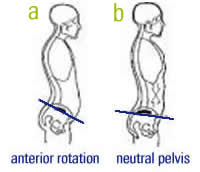
In anatomical terms, "anterior" refers to the "front" side of the body (the side your face is on), and "pelvic tilt" means that the pelvis is tilted to one side. In this case, the tilt is towards the front, like in the image below:


Anterior pelvic tilt
As you can see, the spine is naturally slightly curved, but in anterior pelvic tilt the curve is excessive compared to a neutral posture. According to some physiotherapists, a desirable tilt is 0-5 degrees in men and 7-10 degrees in women. You can estimate your tilt by standing with your back against the wall and measuring how much space is between your lower back and the wall. If you can fit one hand in there you're fine. If you can fit a couple of wine bottles you're in trouble.

But what exactly is the problem with the anterior pelvic tilt? Well, for one thing, it doesn't make your posture look very good – at least not if you're a guy. If you're a woman, you may be able to pull it off. An arched back is considered a feminine trait, after all. Still, there's no need to go overboard, because the second reason to avoid (excessive) anterior pelvic tilt is that it causes lower back pain, especially with old age. Besides, a protruding belly doesn't look good on anyone.

Identifying the muscles that need fixing

There are several good articles out there with intricate anatomical descriptions of the interplay between muscles related to pelvic tilt, so I'll skip the details here and just give a brief overview. The gist is that not using certain muscles eventually causes other muscles to overcompensate, which leads to some muscles becoming lengthened and weak and other muscles short and stiff.
Here's a list of things that typically lead to anterior pelvic tilt (or characteristics of anterior pelvic tilt; it's difficult to say what causes what):
  • Lengthened (weak) hamstrings
  • Lengthened (weak) abdominals
  • Lengthened (weak) glutes
  • Shortened (tight) erector spinae
  • Shortened (tight) hip flexors
Hamstrings are the long thick muscles on the back of your legs that flex the knee and extend the hip. Abdominals are the muscles around the torso. While the outermost muscle (rectus abdominus) is responsible for that six-pack look, it's the deeper muscles that have the biggest effect on posture. Glutes are simply the butt muscles.

The erector spinae (or spinal erectors) is a group of muscles in the back that supports the spine. Finally, hip flexors are a group of muscles near the pelvis that move the hip forward during walking and running.


Exercises for correcting anterior pelvic tilt

To fix the problem and bring the pelvic tilt back to normal levels, a set of exercises that target these issues is needed. In essence, we need to do two things:
  1. Make the hamstrings, deeper abdominals and glutes stronger
  2. Stretch the spinal erectors and hip flexors
There are numerous exercises that can be done to achieve these ends, and quite possibly the most effective ones are those that also involve weights and gym equipment. However, there are also exercises that you can do at home using only your body weight. It's these exercises we'll be looking at next.

Exercise 1: Glute bridge

This exercise, also known as supine hip extension or pelvic lift, strengthens both the glutes and the hamstrings. Here's the basic way to do it:


One variation of the exercise is to straighten one leg so that only one foot is on the ground, hold for a while and then do the same with the other leg.

Exercise 2: Front and side plank

Plank exercises are good for making the abdominal muscles stronger. In contrast to sit-ups, which mainly affect the superficial muscles, planks target the deeper muscles. In addition to the usual front plank where both feet and elbows are on the ground, you can do side planks:


This exercise can also be made more difficult by lifting one of the legs up and holding for at least 30 seconds.

Exercise 3: Lunge stretch

The lunge stretch exercise stretches the hip flexors. It's also called by various other names like hip flexor lunge, lunging hip flexor stretch, psoas stretch, etc. Depending on who you ask, you may get a different answer as to how to perform the exercise, but here's one way:


This exercise can also be done as a forward lunge, in which you begin from a standing position and then lunge forward and drop your hips towards the floor. Performed this way, you'll target glutes and hamstrings more than the hip flexors, unless you also do the stretch.

Exercise 4: Lower back stretch

The lower back stretch is an exercise that stretches the erector spinae. It's also known as all fours back stretch, back arch stretch, cat pose stretch, and various other names. Here's how to do it:


You can alternate between the two arches as seen in the video, but keep in mind that it's the upward arch that stretches the erector spinae.

Exercise 5: Supine pelvic tilt

Finally, here's an exercise imitating what you want to happen through all your hard work. Like planks, the supine pelvic tilt mainly targets the deeper abdominal muscles. Here's a good example of how to do it (nevermind the Swedish subtitles):


The exercise itself is very subtle, but it gives a good idea of what you're trying to achieve. You can alternate between short reps and holding the tilt for a longer period.

Summary and my experiment

The muscles that are required to maintain a natural posture don't get enough exercise during daily routines, especially if you work at a desk job. This causes some muscles to weaken and others to compensate. As a result, the pelvis tilts forward, which in turn results in a postural problem known as anterior pelvic tilt. Many people have some degree of (excessive) anterior pelvic tilt, whether or not they realize it.

There are several exercises that can be performed to train the muscles that are weakened (hamstrings, deeper abdominals and glutes) and stretch the ones that are overcompensating (hip flexors and the erector spinae). You may get better and faster results by combining many different exercises, but the ones shown here will get you started.

Personally, I recognize my posture from the first picture showing excessive anterior pelvic tilt. I also have occasional problems with pain in the lower back. Until now, I haven't really known what the precise issue with my posture was, but thankfully, I was pointed in the right direction by some members of the imminst.org forums.

So for my newest human experiment, I'll be doing these exercises (and possibly others as I discover them) at least three times a week and seeing whether I can fix my anterior pelvic tilt. Meanwhile, if you have suggestions for other and/or better exercises, please drop a comment and share them!

For more information on exercise and health, see these posts:

L-Carnitine, Exercise Performance & Oxidative Stress
Green Tea Extract Increases Insulin Sensitivity & Fat Burning during Exercise
Green Tea Extract Enhances Abdominal Fat Loss from Exercise
Coenzyme Q10, Exercise and Oxidative Stress

Read More......


Digg Technorati del.icio.us Stumbleupon Reddit Blinklist Furl Yahoo

Monday, April 20, 2009

L-Carnitine, Exercise Performance & Oxidative Stress

L-carnitine may reduce oxidative stress from exercise.
L-carnitine may reduce oxidative stress from exercise. (Photo by mikebaird)

The case for carnitine supplements in preserving brain function seems strong enough (especially in animals, but also in humans), but what about carnitine and exercise benefits? In this post, we'll look at the studies on the effects of carnitine in aerobic and anaerobic exercise.

In the studies on carnitine and cognition, the only forms of carnitine that were used were L-carnitine and acetyl-L-carnitine. In the studies below, glycine propionyl-L-carnitine and L-carnitine L-tartrate are mentioned as well. Glycine propionyl-L-carnitine (GPLC) is a propionyl ester of carnitine that includes an additional glycine component for better absorption. L-carnitine L-tartrate (LCLT) is a salt form of L-carnitine, which is used mostly because it's not as easily degraded.

Carnitine and exercise performance

Aging results in an atrophy of the muscle fibers, an increase in fat mass, and a decrease in skeletal muscle oxidative capacities. When Bernard et al. fed old rats with L-carnitine at 30 mg/kg body weight, the L-carnitine levels and oxidative activity of muscle cells was restored. A positive change in body composition was also seen: the carnitine-fed rats decreased their abdominal fat mass and increased muscle capabilities.

According to Panjwani et al., L-carnitine in a dose of 100 mg/kg body weight improved exercise endurance of rats both at sea level and high altitude conditions. The effect was more pronounced during the latter.

Thalassemia is an inherited blood disease that is associated with poor physical fitness. El-Beshlawy et al. report that when thalassemic patients were given L-carnitine at 50 mg/kg body weight or placebo for 6 months, oxygen consumption, cardiac output, and oxygen pulse at maximal exercise increased significantly in the carnitine group. The authors note that L-carnitine works better the younger the patients are.

Jacobs et al. looked at glycine propionyl-L-carnitine and its effect on high-intensity cycling performance in healthy, trained individuals. The authors conclude that short-term oral supplementation enhanced peak power production and decreased post-exercise blood lactate accumulation.

Spiering et al. gave healthy resistance-trained men 2 grams of LCLT or placebo for 23 days. In the participants receiving carnitine, forearm muscle oxygenation was reduced. At the same time, malondealdehyde levels decreased. The authors propose that this seemingly contradictory effect may have been due to enhanced oxygen consumption.

On the other hand, Eroğlu et al. saw no difference in the metabolic and blood lactate values of male and female badminton players after taking 2 grams of L-carnitine prior to exercise. Bloomer et al. studied the effects of 1-3 g GPLC on aerobic and anaerobic exercise performance in healthy men and women. No difference was seen between the treated and placebo groups.

Carnitine and oxidative stress from exercise

Later, Bloomer & Smith looked at how GPLC affects oxidative stress from aerobic and anaerobic exercise. Both forms of exercise increased oxidative stress even in those receiving the carnitine supplement. However, GPLC reduced resting levels of malondialdehyde, which is a marker for oxidative stress.

In a study by Broad et al., twenty active males were given either 2 grams of L-carnitine L-tartrate or placebo for two weeks. When comparing the results from a 90-minute exercise test before and after treatment, no change was seen in fat, carbohydrate and protein contribution to metabolism in either group. Plasma ammonia tended to decrease in the carnitine group, however, which may suggest a potential reduction of metabolic stress from exercise.

In a study by Volek et al., 2 grams of L-carnitine L-tartrate for three weeks resulted in a reduction of post-exercise levels of malondialdehyde. Muscle disruption, markers of purine catabolism and cytocosolic proteins were also attenuated, suggesting that carnitine is effective in assisting recovery from squatexercises.

Kraemer et al. looked at how LCLT supplementation and post-exercise feeding affect hormonal and androgen receptor responses. Before exercise, LCLT upregulated androgen receptor content. Resistance exercise increased androgen receptor content in the placebo group only, while post-exercise feeding increased it in both groups. The authors suggest the upregulation of androgen receptors by LCLT may promote recovery from resistance exercise (I suppose the androgen-related effect might also be of interest to those worried about hair loss).

Conclusion

While the evidence for the effects of carnitine on exercise is inconclusive, carnitine may improve physical fitness in old or unhealthy people. Furthermore, the studies suggest carnitine reduces markers of exercise-related oxidative stress, especially malondialdehyde.

For more information on exercise and carnitine, see these posts:

L-Carnitine, Acetyl-L-Carnitine and Cognitive Function in Humans
L-Carnitine, Acetyl-L-Carnitine and Cognitive Function in Animals
Green Tea Extract Increases Insulin Sensitivity & Fat Burning during Exercise
Coenzyme Q10, Exercise and Oxidative Stress

Read More......


Digg Technorati del.icio.us Stumbleupon Reddit Blinklist Furl Yahoo

Tuesday, March 31, 2009

Green Tea Extract Increases Insulin Sensitivity & Fat Burning during Exercise

Green Tea Extract Increases Insulin Sensitivity & Fat Burning during Exercise
Chasing your burger and fries with a mug of green tea may be a good idea. (Photo by w00kie)

The effect of green tea on weight loss and insulin sensitivity is still relatively unknown. There are some promising studies out there, but conflicting data also exists, making it difficult to put all the pieces together. For now, however, the good news for green tea keep coming.

Since most of the studies are either done in vitro, in animals or in human subjects suffering from various conditions such as diabetes, coming across a study on healthy subjects is always interesting. In their paper, Venables et al. investigated the effect of green tea extract on glucose tolerance and fat oxidation during moderate-intensity exercise in healthy young men.

Green tea extract and fat burning during exercise

In the first experiment, each participant completed a 30-minute cycling exercise before and after green tea supplementation in a crossover design. The average relative exercise intensity was similar in both trials. However, fat oxidation (which is the technical term for "burning" fat) was significantly higher when the participants had taken the green tea extract supplement (0.41 vs. 0.35 g/min). The ratio of fat to carbohydrates used for energy expenditure was also higher in the green tea group than in the placebo group.

Green tea extract, glucose tolerance and insulin sensitivity

In the second experiment, the participants took an oral glucose tolerance test. Before consuming 75 of glucose, half of the subjects took green tea capsules containing 890 mg of polyphenols of which 366 mg was epigallocatechin gallate, EGCG. The other half took a corn-flour placebo.

Plasma glucose concentrations after the oral glucose tolerance test were similar in the placebo and green tea extract groups. Serum insulin was significantly lower in the green tea group, however; the area under curve (AUC) was 15% smaller in those who had taken a green tea supplement before the test.

Conclusion

A green tea extract containing 890 mg polyphenols (catechins) increased fat oxidation from moderate-intensity exercise compared to placebo in healthy young men. Green tea extract also reduced insulin area under curve during a 2-hour oral glucose tolerance test and improved insulin sensitivity. Green tea may thus help with weight loss, both by increasing fat metabolism during exercise and maintaining healthy insulin levels.

For more information on green tea, see these posts:

Green Tea Extract Enhances Abdominal Fat Loss from Exercise
Peak Increase in Antioxidant Activity Occurs 20-40 Minutes after Drinking Green Tea
Green Tea, Black Tea & Oolong Tea Increase Insulin Activity by More than 1500%
Green Tea Reduces the Formation of AGEs

Read More......


Digg Technorati del.icio.us Stumbleupon Reddit Blinklist Furl Yahoo

Tuesday, February 24, 2009

Green Tea Extract Enhances Abdominal Fat Loss from Exercise

Green tea extract and exercise reduces abdominal fat
Green tea extract together with exercise reduces abdominal fat. (Photo by mikebaird)

Whether or not drinking green tea helps with weight loss is not entirely clear, especially when it comes to humans. However, a new study by Maki et al. suggests that green tea does have a positive effect on overweight individuals.

Specifically, the authors report that the catechins in green tea enhance abdominal fat loss in obese adults who are put on an exercise program.

Exercise alone vs. exercise and green tea extract

All of the 107 participants who completed the 12-week study had a BMI between 25 and 40, which put them in the overweight category. They were randomly assigned to receive either a drink containing green tea extract and 625 mg of catechins or a control drink with no catechins. Both drinks had the same amount of caffeine.

The main catechins in the green tea drink were epigallocatechin gallate (EGCG) and epigallocatechin (EGC). The catechin distribution was similar to those found in normal teas, but the amount of catechins in the drink was much higher than in green tea, which has the highest catechin content.

The participants were also put on an exercise program with a goal of at least 3 hours of moderate-intensity physical activity per week. Diets did not change in either group, but caffeine intake was lower in both groups during the experiment.

Reduced abdominal fat and triglycerides in catechin group

The catechin group had a greater loss of body weight than the control group, but changes in waist circumference and fat mass percentage were not significantly different. However, total abdominal fat areas and abdominal subcutaneous fat areas were lower in the catechin group.

Green tea extract, exercise, and abdominal fat mass
So what exactly happened here? As you can see from the figure above, both the group that received the green tea extract and the group that received the control beverage lost some fat mass during the experiment. That's to be expected, of course, since both groups got on an exercise program.

What's interesting is that even though both groups had the same level of physical activity, the green tea group lost more weight and more total fat mass (though the latter was not statistically significant). After 12 weeks, the average weight loss in the control group was 1 kg, while in the catechin group it was 2.2 kg. Nothing spectacular here, but still a noticeable difference.

If you look at the changes in the total abdominal fat area, you can see that there was almost no difference in the control group. That is, exercise alone did not reduce the total abdominal fat area. In fact, even though the intra-abdominal fat (the "dangerous one" around your internal organs) area decreased slightly, subcutaenous fat (the one just under the skin) area actually increased slightly.

Exercise with daily green tea extract on the other hand led to a 7.7% decrease in total abdominal fat area, with reductions in both subcutaneous and intra-abdominal fat areas. According to the authors, however, the difference in intra-abdominal fat area between the catechin and control groups was not statistically significant.

The participants in the catechin group also reduced their triglyceride levels more than the control group. Similar differences between groups were not seen in HDL and LDL levels. Fasting glucose and fasting insulin levels did not change during the study.

Conclusion

A daily beverage containing green tea catechins combined with moderate exercise was more effective in reducing abdominal fat in obese individuals than moderate exercise alone. Specifically, the total abdominal fat areas and abdominal subcutaenous areas were reduced in the catechin group.

For more information on green tea, see these posts:

Green Tea Increases Weight Loss during Caloric Restriction in Rats
Green Tea Extract Increases Insulin Sensitivity & Fat Burning during Exercise
Green Tea and Capsaicin Reduce Hunger and Calorie Intake
Green Tea, Black Tea & Oolong Tea Increase Insulin Activity by More than 1500%

Read More......


Digg Technorati del.icio.us Stumbleupon Reddit Blinklist Furl Yahoo

Monday, February 2, 2009

A Typical Day of Intermittent Fasting

Water is an integral part of intermittent fasting.
Water is an integral part of intermittent fasting. (Photo by Koshyk)

If you're wondering what intermittent fasting (IF) is like in practice, look no further. In this post, I'll describe a typical day (well, two actually) in the life of an intermittent faster.

As I mentioned a while ago, I've been doing intermittent fasting for more than six months now. During that time, I've gotten into a kind of routine where how and what I eat is pretty much fixed from week to week. I don't mean that in a boring way; it's just that when you combine working or studying with fasting, your eating schedule tends to gravitate towards certain patterns.

Since I'm doing the 24/24 hour cycle version of intermittent fasting, it means that at any given day I either start or stop the fast in the afternoon or evening. This moment, known as the break point, may vary slightly from day to day, but recently it's been more or less 6 PM.

Here's a typical day, beginning with a fast (continued from the previous day):

8:00 AM - Wake up
8:15 - drink some water, get to work
8.45 AM - A cup of coffee
10:00 AM - 2:00 PM - Sip on water, drink green tea
2:00 PM - Another cup of coffee
4:15 PM - 5.30 PM Get off work, go to the gym
6:00 PM - Break the fast, eat a warm meal
8:00 PM - Eat some dark chocolate
9:30 PM - Make a smoothie
01:00 AM - Go to bed

The eating window then continues to the second day, which usually looks something like this:

9:00 AM - Wake up
9:15 AM - Drink rest of the smoothie from yesterday, get to classes
10:00 AM - A cup of coffee
12:00 PM - A warm meal
2:00 PM - Another cup of coffee
5:00 PM - A second warm meal
6:00 PM - End the eating period with some dark chocolate
7:00 PM - 10:00 PM - Several cups of green tea
01:00 AM - Go to bed

And repeat from beginning.

Though it may look like I'm eating very little, that's not the case. I'll explain my current diet in more detail in another post, but based on my calculations, I average about 2,000 kcal per day.

How is this possible? By eating large meals. For example, the warm meal that I break the fast with is usually close to 1,300 kcal, much more than an average lunch or dinner. The smoothie is slightly over 300 kcal, and the chocolate is close to 400 kcal.

On the second day, the first warm meal is often something like two chicken breasts, which is about 400 kcal. The second warm meal is again over a 1,000 kcal. The rest of the calories come from the smoothie and the chocolate.

When it's time to break the fast I'm naturally very hungry, but not starving. When I began this experiment, I wasn't working, so I had much more free time. I also slept more and exercised less than I do now, and yet keeping up with the 24/24 hour routine hasn't gotten more difficult as my activity level has increased.

Patience and adaptation, that's really all there is to it.

For more information on intermittent fasting, see these posts:

Intermittent Fasting Improves Insulin Sensitivity Even without Weight Loss
Intermittent Fasting Experiment – Update after 5 Months
The Psychological Effects of Intermittent Fasting
Controlling Hunger During a Fast: Does Green Tea Help?

Read More......


Digg Technorati del.icio.us Stumbleupon Reddit Blinklist Furl Yahoo

Tuesday, December 30, 2008

7 Human Experiments of 2008 – Year in Review


A lot of this year's experiments had to do with food. (Photo by ToUsMiC Place)

The year 2008 is drawing to an end, which means it's time to take a look at the experiments of the past twelve months.

1. High-fat diet experiment

The first experiment I ended this year was the high-fat diet (read the conclusion here). The idea was to eat a diet high in fat and see what happens in terms of cholesterol and weight gain. On the menu were all the fats and oils your doctor warned you about: butter, cream, coconut oil and even lard. Saturated and oh so tasty.

As I increased my fat and protein intake, I got rid of a lot of carbohydrates. In the beginning of the experiment I removed potatoes, bread and pasta from my diet but still ate rice occasionally. As time passed, I stopped eating rice as well. Meat, fat, fruit and some vegetables were the staples of the diet, which made it a kind of a mix between Atkins and the Paleo diet. The one grain product I didn't give up (and still haven't) was beer, which I, as you may have noticed, consider a divine invention. I was on the diet for about a year and a half in total.

So what happened? Well, for one thing I proved my hypothesis that eating lots of fat does not make you fat. In fact, I lost a few kilos on this diet and got my body fat to less than 8%. My blood pressure levels rose from very low levels into the normal range, which I attribute to all the fat in the diet.

My cholesterol levels were in a pretty good shape, which means that eating cholesterol and saturated fat does not necessarily clog your arteries; once again, I propose it's the amount of carbs you consume with them that makes a difference. And the matter is not as simple as saying that high cholesterol levels are bad in general (or even that HDL is all good and LDL is all bad).

While I did eat some carbs (in the form of fruit and vegetables), my carbohydrate intake was considerably lower than that of most people. On the other hand, my fat intake (especially saturated and animal fat) was considerably higher than what is normally considered healthy.

2. Vitamin B experiment

In this experiment, I took up to 5 times the Recommended Dietary Allowances (or RDA) of the vitamin B complex just to see what happens. I increased the size of the doses as the experiment went on, but didn't notice anything – not even a niacin flush (read the conclusion here).

Looking back, this was a fairly boring experiment with no exciting results to report. I guess the take home message is that taking lots of vitamin B won't kill you. Not after a few weeks, at least.

3. Caloric restriction experiment

This experiment was one of the more difficult ones for me. My caloric restriction lasted only for a week, during which I reduced my calorie intake to 1,750 kcal per day. I quickly learned that the days of enjoying cheese and wine would have to be swept into the past if I were to succeed in the experiment. Some sleepless nights were spent thinking about food and how great it is to eat stuff.

The trick was to choose foods with a high satiety index and a low energy index, which means eating nutrient-dense foods with little calories. Raw foods (including meat) and salads seemed a good way to go about it, and after a while the hunger seemed to diminish. Still, the fact that I couldn't drizzle my much-loved olive oil over everything made me rather depressed.

What made the week even more difficult was the fact that I was out on most nights drinking beer, which is pretty high in calories but makes you even hungrier. The thing I hated most, however, was having to count the amount of calories in each meal. Yes, there are some good tools to do that, but weighing everything and entering it into the software was a huge hassle for me.

The benefits of CR seem pretty good (mice and rats have been shown to live longer, and the calorie-restriced monkeys look much younger and healthier than their counterparts), so if you're serious about life extension, you might want to give it a go. Some willpower is definitely required.

4. Weight gain experiment

Nicknamed "Fat camp" by yours truly, this experiment was meant to help me gain back the weight I lost on the caloric restriction diet. This, of course, not only meant eating more in general, but eating the very carbohydrates I had so passionately rejected before.

Surprisingly, gaining weight proved to be somewhat difficult for me. My appetite was not as great as it had been before going on CR, so there were times I almost had to force myself to eat. Trying a combination of protein, fat and beer (but no other carbohydrates) and not gaining weight also lead me to formulate my beer gut theory.

Eventually (after 43 days, to be precise), I managed to gain a few kilos and, in the dead of night, I escaped from the fat camp and left behind me the walls I had helped to build.

5. Biotin experiment

In this one, I took 5 mg of biotin daily to see whether it would have an effect on hair and nail growth. No studies have proven the claims circulating the internet about biotin making hair grow stronger, so naturally I had to test it on myself.

After a month the bottle was finished, and no results were visible. I concluded that it was ineffective, and that the positive effects I had read about were either due to some people being biotin deficient, in which case biotin supplementation really might help, or simply imagined.

6. MSM + chondroitin + glucosamine experiment

By this time, the idea of affecting hair and nail growth with supplements had intrigued me so much that I decided to start another experiment. This time I took a powder with MSM, chondroitin and glucosamine, which are claimed to improve joint health, increase the speed of hair and nail growth as well as make them thicker.

After I'd ran out of the disgusting sulfur cocktail (having seen no results), I bought a powder that had only MSM in it, since MSM is supposedly the key ingredient in terms of hair and nail growth. This increased my dosage from 1,000 mg to 4,000 mg. Even this large dose failed to show any results, which drove me to go overboard and take 8,000 mg of the stuff daily. The disappointing conclusion was that MSM did absolutely nothing except taste very bad.

7. Coenzyme Q10 experiment

In this experiment, I took 200 mg of coenzyme Q10 to see if it would have an effect on general health and exercise performance. There have been some suggestions in the scientific literature that it might increase lifespan, which made me even more interested, as did the fact that it has been used to treat gum disease.

The studies on coenzyme Q10 seem to be inconclusive, and as I reported in the conclusion, three months of supplementation had no effect on me; not health-wise, not exercise-wise. Since it's one of the more expensive supplements, I stopped taking it after I had finished the two bottles I purchased. It does seem like a promising supplement, however, and if I was older I would probably continue using it.

Currently ongoing experiments

The above is of course an incomplete of all the experiments started during this year, since I have several experiments going on as I write. They are listed in the up right corner of the page under the title Ongoing experiments, right below Latest posts.

I will write more about them as they progress and as they're finished. Meanwhile, you can cast your vote to help me decide what I should experiment with next. The options are ginkgo biloba, melatonin, quercetin and hyaluronic acid. If you'd like to read more about one of these, choose your favourite one and click "Vote". Or if your choice is not on the list, just drop a comment.

Until then, happy New Year!

Read More......


Digg Technorati del.icio.us Stumbleupon Reddit Blinklist Furl Yahoo

Monday, December 29, 2008

Coenzyme Q10 for Exercise & Better Health – Experiment Conclusion


The effects of CoQ10 supplementation on exercise are still unclear. (Photo by ericmcgregor)

This post marks the end of my experiment with CoQ10. The idea was to see whether taking coenzyme Q10 would have an effect on general health and exercise performance.

I've been taking 200 mg of CoQ10 (the ubiquinone form – for an explanation of the differences between different forms see this post) somewhat irregularly since summer. I actually had supplements to last me only three months, but I've had a couple of longer breaks in between to see whether I would notice a difference.

As with many other supplement experiments, I didn't. I've tried taking a capsule before going to the gym to see if it boosts my performance, but I haven't seen any noticeable effects. No effects from taking a capsule later in the day, either. This is not really surprising, since the studies on CoQ10 and exercise, though many, are inconclusive (for a more detailed discussion of CoQ10, exercise and oxidative stress, see this post).

Any other health benefits are pretty hard to tell, but I think it's safe to say that it hasn't made me immune to all disease, because I've caught a few colds during this experiment.

Still, I must say that the data on CoQ10 and older people is quite promising. Since levels of coenzyme Q10 drop with age and supplementation (especially with ubiquinol) seems to be an effective way to raise them, anyone over the age of forty would be wise to consider reading up on the possible benefits – and the negative effects of too little CoQ10 in the body.

However, at this point I don't see enough reason for me to continue taking it. The price is quite high, and the possible positive effects of CoQ10 on young, healthy people are mostly unknown.

I've saved the last remaining capsules to see whether rubbing the stuff on my gums does anything. The studies suggest that using CoQ10 both topically and orally promotes oral health, but during the months of eating the stuff I noticed no change in the small gingival pocket I have near one of my teeth.

Who knows, maybe topicals are the way to go here. Look out for an update in the coming weeks!

Read More......


Digg Technorati del.icio.us Stumbleupon Reddit Blinklist Furl Yahoo

Saturday, September 27, 2008

Coenzyme Q10, Exercise and Oxidative Stress

Coenzyme Q10 and exercise
The relationship between athletic performance and CoQ10 is still unclear. (Photo by foxypar4)

I've been taking 200 mg of CoQ10 (also known as ubiquinone) daily for more than two months now to see whether it has an effect on general health and exercise performance. While I haven't noticed much of a change, I've ran across some interesting information regarding coenzyme Q10 that I thought would be useful to share.

First off, there is a lot of anecdotal evidence on the benefits of using ubiquinone while doing strength training or aerobic exercise, but actual studies on the subject are rather inconclusive. In a 1997 study on Finnish cross-country skiers, 94% of the subjects reported improvements in performance and recovery time vs. only 33% with placebo. Measures of physical performance also improved significantly. The amount of coenzyme Q10 used was 90 mg per day.

In another study from the same year, male road cyclists and thriathletes were either given CoQ10 or a placebo. In the former group, plasma concentrations of CoQ10 increased significantly, but this had no significant effect on measures such as oxygen uptake, heart rate, and blood pressure. The amount used was 1 mg per kg of body weight, which is probably slightly less than in the other study.

In yet another study from 1997, 18 subjects were given either CoQ10 or a placebo. During running, there were no significant differences between the groups, but strangely, on a high intensity anaerobic cycling test, the placebo group actually did better. There is no mention of the amount used in the abstract.

In a study from 2005, six volunteers were first given a placebo, then 150 mg of CoQ10, then 150 mg of CoQ10 and 1,000 IU of vitamin E, and finally a placebo again. Plasma levels of CoQ10 increased slightly following supplementation, but muscle concentrations of CoQ10 or other measures showed no significant changes. There were no differences between the groups on a cycle test.

In a newer study from 2008, aerobically trained and untrained men and women were given either 100 mg CoQ10 or a placebo twice daily (yielding a total of 200 mg per day). CoQ10 supplementation resulted in higher muscle CoQ10 concentration, lower serum superoxide dismutase (SOD) oxidative stress, and higher serum malondialdehyde (MDA). In general, CoQ10 increased time to exhaustion on a treadmill.

One more study from 2008 concludes that oral administration of CoQ10 improved subjective fatique sensation and physical performance during workload trials. The subjects were given either a placebo, 100 mg of CoQ10 or 300 mg of CoQ10. Apparently there was no difference with the lower dosage compared to placebo, but 300 mg showed significant benefits.

So what does this all mean? It's difficult to draw conclusions, but two things that should be paid attention to when interpreting these studies are the dosage used and the time of ingestion. The Finnish cross-country skier study showed benefits with only 90 mg per day, but on the other hand, in the 2005 study with six volunteers, 150 mg per day had no effect. It's interesting to note that in the last study I mentioned, effects were visible only at the higher dose of 300 mg per day.

The time of ingestion is important because coenzyme Q10 also functions as an antioxidant, whereas exercise increases oxidative stress. The free radicals generated by exercise are neutralized by an antioxidant response from the body. Regular exercise thus enhances the antioxidant defense system and protects the body from free radical damage.

The relationship between exercise and antioxidant supplements is not entirely clear, but it has been suggested that ingesting antioxidants right before or after exercise negates some of the beneficial effects of exercise. Put simply, the theory is that when the body gets the antioxidants through supplementation, the body's own response to oxidative stress is negatively affected. This may be part of the reason why some studies show positive effects from CoQ10 and others don't.

Unfortunately, there is little information available on this subject, and spesific time intervals between exercise and antioxidant supplementation are hard to define. Nevertheless, it may be wise to not take any antioxidants a few hours before and after exercise. So far, I've been taking CoQ10 every morning, but from now on, I'll take it in the evening on days of exercise to see whether it makes a difference - and just to be sure I'm not missing out on the benefits.

For more information on coenzyme Q10, see these posts:

Coenzyme Q10 for Exercise & Better Health - Experiment Conclusion
The Role of Coenzyme Q10 in Oral Health
How to Choose Between Different Forms of Coenzyme Q10: Ubiquinone vs. Ubiquinol

Read More......


Digg Technorati del.icio.us Stumbleupon Reddit Blinklist Furl Yahoo

  © Blogger template 'Perfection' by Ourblogtemplates.com 2008

Back to TOP