Showing posts with label tea. Show all posts

Sunday, February 6, 2022

Rinsing with Green Tea Improves Oral Health

Rinsing with Green Tea Improves Oral Health
Rinse with green tea and keep your teeth happy. (Photo by Daria)

I've written before about the protective effects of green tea against dental caries. Several studies have shown that green tea helps tooth and gum health by reducing harmful bacteria, increasing enamel strength and inhibiting the breakdown of starch to sugar.

Black tea, cocoa and coffee protect against oral problems too, but green tea seems to be the most effective. A new study sheds more light on how drinking green tea improve oral defense mechanisms through oral peroxidases (OPOs) (link).

The two major defensive peroxidases of the mouth are salivary peroxidase (SPO) and myeloperoxidase (MPO). Their function depends partly on diet and probably also on genes.
In the abstract, the authors mention that their earlier study showed that elderly people who drank green tea for 3 months had higher levels of oral peroxidase activity than non-drinkers. In this study, they compared the effects of green tea on OPO in vivo and in vitro.

Adding a green tea infusion to saliva increased oral peroxidase activity by 280%, while black tea increased it by only 54%. Adding only epigallocatechin gallate (EGCG), the main polyphenol in green tea, increased activity by 42%. The effect was dose-dependent, which I assume here means that the stronger the tea, the greater the effect.

In human subjects, green tea gave a very similar result. Mouth rinsing with a green tea infusion resulted in a 268% increase in OPO activity. Thus, while green tea extracts may be more useful than just drinking regular green tea for some purposes, for dental health drinking and/or rinsing is probably the most effective way.

Note, however, that higher levels of salivary peroxidase don't necessarily mean better oral health; in fact, people with more dental caries and gingivitis tend to have higher SPO activity (link). My guess is that this is a defense mechanism against the harmful effects of excess hydrogen peroxide, which is excreted by oral bacteria. In other words, the stronger the attack, the stronger the defense.

In the case of green tea it seems that increasing SPO really does lead to better oral health, though.

For more information on green tea and dental health, see these posts:

Drinking 10 Cups of Green Tea Daily and Not Smoking Could Add 12 Years to Your Life
Green Tea Extract Enhances Abdominal Fat Loss from Exercise
Vegetable vs. Animal Sources of Vitamin A: Why Eating Carrots Isn't Enough
Genes, Diet and Oral Health: Why Do Some People Get Cavities and Others Don't?

Read More......


Digg Technorati del.icio.us Stumbleupon Reddit Blinklist Furl Yahoo

Thursday, May 26, 2011

Green Tea Polyphenol Heals Stomach Ulcers

Green Tea Polyphenol Heals Stomach Ulcers
Green tea is a good candidate for treating stomach ulcers. (Photo by toughkidcst)

Non-steroidal anti-inflammatory drugs (NSAID) are generally used for treating pain and reducing fever. The most common NSAIDs are aspirin and ibuprofen. While effective, these drugs have some pretty nasty side effects. For example, up to one in four regular users develop a chronic gastric ulcer at some point.

In addition to causing gastric, peptic and duodenal ulcers, NSAIDs also delay ulcer healing. In the United States, upper gastrointestinal problems from non-steroidal anti-inflammatory drug use result in 16,500 deaths every year. What's worse, almost half of the prescriptions for NSAIDs are estimated to be unnecessary. Anti-ulcer drugs, on the other hand, are expensive and do not prevent the ulcers from recurring.

In a recent Indian study, the effectiveness of the anti-ulcer drug omeprazole and one of green tea's polyphenols, epigallocatechin gallate (EGCG), was compared in mice (link). The mice were first given enough of a NSAID called indomethacin to cause stomach ulceration. After that they were split into three groups: the first group was given a standard effective dose of omeprazole (3 mg/kg), while the second group was given EGCG in various doses (0.5–5 mg/kg). The third group acted as the control group and was given no treatment.

After three days, the ulcers of the mice in the control group had not healed at all. The omeprazole-treated mice had healed ~75% of their stomach ulcers. The effectiveness of the green tea polyphenol was dose-dependent: with 3 mg/kg, the ulcers healed as effectively as with omeprazole, while the largest dose (5 mg/kg) resulted in ~82% healing.

Non-steroidal anti-inflammatory drugs cause gastric ulcers through a variety of mechanisms. They increase the production of reactive oxygen species (ROS), increase lipid peroxidation and cause an imbalance in cytokines which regulate the immune system. In this study, EGCG improved all three factors even more effectively than omeprazole.

Although both omeprazole and epigallocatechin gallate have antioxidant properties, the mechanisms through which they work differ from each other. The main reason omeprazole works is because it reduces the production of gastric acid, whereas green tea is said to increase gastric acid release. While more studies are probably needed, the authors of the paper consider EGCG a promising candidate for treating stomach ulcers because it has not been shown to have negative side effects even with large doses (although there are potential problems with high-dose green tea extracts).

For more information on green tea, see these posts:

Green Tea Protects from the Psychological Effects of Stress in Rats
Tea, Coffee and Cocoa: All Good for Your Teeth
Green Tea and Capsaicin Reduce Hunger and Calorie Intake
Green Tea Extract Increases Insulin Sensitivity & Fat Burning during Exercise

Read More......


Digg Technorati del.icio.us Stumbleupon Reddit Blinklist Furl Yahoo

Monday, January 10, 2011

Green Tea as a Pro-oxidant: Too Much of a Good Thing?

Is too much green tea harmful for you?
Is too much green tea harmful for you? (Photo by tornado_twister)

I was browsing through the latest studies on green tea and came across a paper saying EGCG, one of the green tea polyphenols, increases protein cross-linking (link). I was intrigued, because this was the first time I'd heard of such an effect. The abstract also mentions that there's increasing evidence EGCG can generate reactive oxygen species and break DNA strands in biological systems. In effect, it says that the antioxidant is actually a pro-oxidant.

I looked up some of the references and indeed, even green tea's polyphenols (at least EGCG, possibly some others) have oxidative effects under certain in vitro conditions. For example, in human whole blood lymphocytes, EGCG either suppresses or induces DNA strand breakage, depending on the concentration.

In concentrations between 0.01-10 μM (micromoles/L), strand breakage decreases, but once the concetration gets higher than 1000 μM, it increases instead. In purified blood lymphocytes, concentrations of 1-100 μM induce and concentrations of 0.01-0.1 μM suppress DNA strand breakage.

Sounds an awfully lot like hormesis, doesn't it? As with everything, the dose makes the poison. The interesting part, of course, is whether drinking green tea can cause similar harmful effects in real life.

Luckily, one study looked at the effect of green tea on DNA strand breaks in rats (link). The smaller dose (which according to the authors is equivalent to one desiliter of green tea in humans) had no effect, but the larger dose (equivalent to half a liter) significantly reduced strand breaks.

Half a liter of green tea, equal to about three cups, increase total plasma antioxidant capacity only moderately. When only EGCG is taken into account, the results vary somewhat from study to study, but concentrations rarely exceed 1 μM (link). Also, plasma antioxidant activity has a plateau, which suggests that the absorption mechanism of green tea polyphenols becomes saturated after a certain point:

To make the tea used in the study, 500 ml of boiling water was poured on 20 grams of green tea leaves (8-10 tea bags), and the tea was then allowed to infuse for 10 minutes. That makes for a very strong tea, much stronger than the ones used in the other studies. The volunteers drank 300-400 ml of the tea, after which blood samples were collected at different time intervals

In this study, there was no difference between those who drank 300 and 400 ml of the tea. Even then, the increase in antioxidant activity was only 4% at the peak. Thus, it seems unlikely that harmful levels could be reached by simply drinking plenty of green tea. In one Asian population, 10 cups of green tea daily reduced total mortality compared to those who drank less green tea and/or smoked.

Theoretically at least, extracts and supplements could be a different matter, because they often contain a higher percentage of EGCG than green tea and come with things that increase absorption. For example, piperine increases plasma levels of EGCG.

One green tea extract containing 40% EGCG resulted in a peak  of 0.8 μg/mL in human subjects; when the same extract was complexed with phospholipids, the peak was 1.9 μg/mL. If my calculations are correct (which they often aren't; please correct me if I'm wrong), then these would be ~1.75 μM and ~4.14 μM, respectively. Again, in whole blood lymphocytes concentrations between 0.01-10 μM, strand breakage was decreased, and it took concentrations higher than 1000 μM to increase strand breakage.

All in all, it appears that green tea in reasonable quantities (at least up to 10 cups) does not cause it to act as an oxidant in vivo. It's unknown what a much higher amount would do, assuming you could somehow bring yourself to drink 50 cups. I haven't seen any human studies on such amounts. But if the plateau effect is indeed true, then you might not be able to reach high plasma levels of EGCG no matter how much you drink.

With supplements, the situation is different. Piperine and phospholipids make reaching higher plasma values possible, which can be a good thing or a bad thing, depending on what you're using the supplements for. Some conditions require higher doses than others, so you'll have to judge the proper approach on a case by case basis. However, since EGCG does have the potential of being a pro-oxidant in vitro and is toxic to the liver in very high amounts, be careful not to overdo it with green tea supplements.

For more information on green tea and health, see these posts:

Green Tea Protects from the Psychological Effects of Stress in Rats
Tea, Coffee and Cocoa: All Good for Your Teeth
Green Tea and Capsaicin Reduce Hunger and Calorie Intake
Green Tea Catechin Reverses the Effect of DHT in Prostate Cancer Cells

Read More......


Digg Technorati del.icio.us Stumbleupon Reddit Blinklist Furl Yahoo

Tuesday, December 21, 2010

Hibiscus Tea Increases HDL, Lowers LDL and Triglycerides

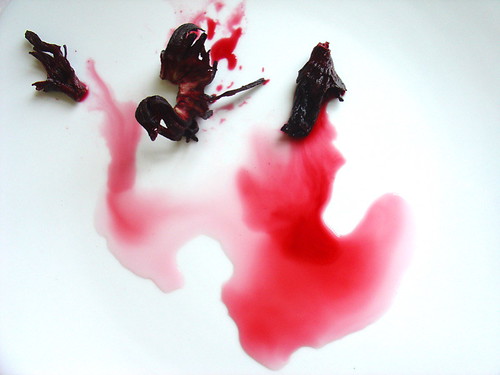
Hibiscus tea is often served cold with sugar 
Hibiscus tea is often served cold with sugar. (Photo by molossoidea)

When it comes to health benefits and drinks, green tea gets most of the publicity. And with good reason – from what we know, it seems to have the widest range of positive effects out of all beverages. But that's not to say that there aren't other less known drinks out there that have health benefits of their own.

One such beverage is hibiscus tea, a herbal infusion made from the calyces of the Hibiscus sabdariffa flower. Hibiscus is also known as sorrel, roselle, karkadé and flor de Jamaica, depending on the region. Earlier this year, I wrote about two studies showing that hibiscus tea reduces blood pressure. In the second study, hibiscus tea was compared with black tea, and guess what – hibiscus tea wone hands down.

In fact, the group that drank black tea saw an increase in blood pressure. That was black tea – as far as I know, there have been no direct comparisons between green tea and hibiscus tea, but even green tea's effects on blood pressure seem to be small or nonexistent. So green and black tea, while very healthy, may not be enough if you want to cover all bases.

I wrote in the earlier posts that to my knowledge, there had been no studies on hibiscus tea and cholesterol, even though the drink is traditionally used to lower cholesterol. Today, however, I found a paper that shows hibiscus tea is good for cholesterol too (link). Granted, the paper appeared in the Journal of alternative and complementary medicine, which has published some papers that seem to be of questionable quality, but this one seems pretty legit.

For the experiment, 60 patients with type II diabetes were randomly assigned into two groups. One group got black tea and the other got hibiscus tea (which the authors refer to as "sour tea"). The participants were told to drink one glass (1 tea bag in boiling water, steeped for 20-30 minutes) twice a day for a month.

The subjects that drank black tea did not show improvement in any of the parameters measured. None of the changes in total cholesterol, LDL, HDL, triglycerides and lipoprotein (a) were statistically signifcant.

Those who drank hibiscus tea, on the other hand, saw several improvements in their cholesterol levels. Total cholesterol went from 236.2 to 218.6 mg/dL. HDL increased from 48.2 to 56.1 mg/dL, while LDL decreased from 137.5 to 128 mg/dL. Triglycerides went down rather dramatically, from 246.1 to 209.2 mg/dL. Lipoprotein (a) was unchanged.

The authors also reference several other papers showing similar results in humans and animals. For example, one study showed a reduction in cholesterol levels in healthy men and women taking a hibiscus extract (link). This would suggest that the beneficial effects of hibiscus are not only limited to diabetic patients.

I'm not sure why I didn't find these papers the last time I did a pubmed search, but I'm glad I came across them now. I guess it's time to put hibiscus tea back on the menu, next to green tea and rooibos tea.

My favourite way to drink it is to make a big glass of hibiscus tea the normal way, then after 15 minutes of steeping pour the tea through a sieve into a larger container, add twice as much cold water and put it in the fridge. It's ready to drink in about an hour. It's especially good in the summer, best enjoyed with ice and a little sugar for taste.

For more information on tea, cholesterol and health, see these posts:

The Many Health Benefits of Rooibos Tea
Black Tea Is More Effective in Activating Superoxide Dismutase (SOD) than Green Tea
Refined vs Red Palm Oil and Cholesterol
Anthocyanins from Berries Increase HDL and Lower LDL

Read More......


Digg Technorati del.icio.us Stumbleupon Reddit Blinklist Furl Yahoo

Wednesday, May 19, 2010

My Current Health Regimen v2.0

One of the changes has been an increase in fruit and vegetable intake.
One of the changes has been an increased intake of fruit and vegetables. (Photo by YimHafiz)

This is my updated health regimen, aimed at adding a significant number of healthy years to my expected lifespan. As it's subject to change, I will keep this post updated accordingly. Major revisions (such as v2.0) will appear once a year or so; minor changes (such as v2.1) will be made as needed. With every major revision, I will move the post from the archives to the front page.

Since a long, healthy life is preferable to a short life by most people, following the regimen would make sense even without considering technological innovations. The true goal of my regimen, however, is to stay alive long enough to see rejuvenation therapies become a reality. In the long run, each year that I'm able to add to my expected lifespan now through things like dietary changes, exercise, and supplements, may grant me several extra years in the future.

Therefore, even those lifestyle changes that require considerable effort and resources while offering a seemingly limited benefit, make sense if one looks at the big picture. For a chance to see the world in 2090, I'm willing to skip the cheeseburger today.

My health regimen consists of four categories: diet, supplements, physical exercise, and brain health. All of the items under each category have some kind of scientific basis, and in contrast to my ongoing experiments, will remain a part of the regimen for the time being. Therefore, my current experiments are not a part of my long-term health regimen – unless they prove to be beneficial, in which case they'll be moved from ongoing experiments to the regimen.

Main changes from v1.0: none.

Avoiding harmful foods

The most important part of my diet is avoiding unhealthy things; increasing the intake of healthy things only comes in second. This is because preventing damage from happening in the first place is easier than repairing it later on.

I consider the worst culprit of modern diets to be an emphasis on grain products, fructose, and polyunsaturated fatty acids. There's considerable evidence to suggest that most people would do much better without them. Hence, things like pasta, rice, bread, candy, fruit juices, and most vegetable oils are off the daily menu. I only eat them rarely, and then simply because they taste good. For the past few months, I've allowed myself to eat whatever I want once a week (usually foods like pizza or fresh bread), which seems to be working well.

I originally cut back on my fruit intake, which used to be quite high some years ago, because I learned that fructose increases triglycerides especially in men, and fructose is not handled very well by the body in general. I later learned that fructose also forms AGEs much more rapidly than glucose, which kept me from reintroducing most fruits to my diet and eat berries instead, since they contain more nutrients per fructose calorie. However, I've now increased even my fruit intake a little, having read more about the AGE-inhibiting effects of phytonutrients found in fruit. I will expand on this later, but for an example of what I'm talking about, see my post about carotenoids inhibiting lipid peroxidation.

While much of this fits well with paleo dieting, I also diverge from the paleo diet these days. You may or may not remember that I used to be a potato hater back in the day, both because they could not be eaten raw (making them anti-paleolithic) and because of their high carb content. Basically, potatoes are just empty calories. But once you have your insulin sensitivity and blood glucose under control, I don't think a few potatoes now and then is much of a concern. At least they're low in fructose.

As you may recall, I followed a low-carb diet for the past year with an emphasis on paleo foods. I got on the low-carb, high-fat wagon in the first place to prove that eating a diet high in fat does not make you fat – and it didn't. However, this diet combined with my year-long intermittent fasting experiment resulted in a moderate-to-high intake of protein, the longevity effect of which I'm now questioning. To lower my protein intake slightly means eating either more fat or more carbohydrates, and since my fat intake is already very high, I've reintroduced some carbs into my diet. That is, I now occasionally eat potatoes not because I think they are necessary for health, but because they are low in protein. More on protein and longevity in future posts.

I still don't make nuts a dietary staple, because of their poor omega-3/omega-6 ratio and because I like to keep my PUFA intake low. That is, I aim not only for a good ratio of omega-3 and omega-6 fatty acids, I try not to eat too much of them in general. Omega-3 is particularly prone to undergo lipid peroxidation, and while nuts probably have micronutrients that protect them from oxidation to some degree, I'm playing it safe until I learn more.

Main changes from v1.0: slightly increased carb intake, slightly decreased protein intake, slightly decreased polyunsaturated fatty acid intake.

Eating healthy foods

Despite eating some more carbs these days, my diet is still fairly low in carbohydrates. My daily intake used to be around 100 grams; I have not measured my current intake, but I suspect it's around 100-150 grams these days. My main protein sources used to be meat, fish and eggs, but during the past year I've cut back on eating eggs because of their high methionine content. I'm still figuring out whether methionine restriction makes sense in humans, but in the meantime I limit my egg intake to 3-4 eggs a week.

Sources of fat, in the order of importance, are olive oil, palm oil, butter, cocoa butter, coconut milk, ghee, coconut oil, and sesame oil. Olive oil tops the list because I love the taste and because it's high in MUFAs but low in PUFAs and consistently does well in just about every health study. There may not be anything magical about MUFAs per se, but even if it's the polyphenols in olive oil that are behind all the positive health effects, olive oil still seems like a good choice. Palm oil is there because it's rich in tocotrienols (at least compared to other natural foods), low in PUFAs and high in SAs (making it suitable for heating), and because I've grown to like the taste.

Lard is off the menu for now because I ran out. Heavy cream has been replaced by coconut milk, partly because of dairy products increasing IGF-1, which may be bad for longevity (more on that in future posts). I don't eat cocoa butter raw (although I could, it's delicious), but I get plenty from all the dark chocolate I eat. Somebody asked me in the comment section why I eat sesame oil since it contains quite a bit of PUFAs, and noticing this was indeed so, I was going to remove it from my diet altogether. However, doing some reading I found that sesame oil seems to reduce markers of lipid peroxidation, so I kept it on the menu. I just use it for taste, however, so my intake of sesame oil is very low anyway.

Depending on my daily menu, anywhere between 50 to 70% of my total calorie intake is from fat. My daily menu has changed a bit, but percentage of fat is still the same. Most of this is saturated fat, which has been given a bad rep for reasons I believe are incorrect. I began reducing grain products and increasing my saturated fat intake years ago, and it hasn't killed me yet. In fact, my HDL has increased and my LDL has decreased on this diet. Triglycerides are not bad but could be better – a testament to my main vices, beer and wine.

There is one cereal grain I regularly eat, however: rolled oats. They're a convenient source of beta-glucan, which appears to be good for cholesterol and avoiding heart disease, and they don't contain gluten. Oats also contain quite a bit of quality protein. I used to eat them with milk and berries, but then switched to a combination of heavy cream and water to reduce my consumption of lactose and galactose (which easily form advanced glycation endproducts, AGEs). Now, I've stopped adding even heavy cream, because milk protein seems to interfact with the polyphenols in berries. So it's a mixture of coconut milk and water nowadays – not as good as cold milk, but still pretty good.

As for red meat, despite how it's portrayed in the media these days, I'm not convinced that meat consumption is harmful. Indeed, a recent review supports the hypothesis that processed meat, not meat in itself, may be harmful. The biggest problem I used to see with meat is the generation of AGEs. Though there is disagreement just how harmful consuming AGEs with food are, I tried to minimize the potential damage by avoiding overcooking and taking supplements. I no longer think AGEs in meat are a huge problem, however – more on this later. The reason I don't eat huge portions of meat like I used to is because of the high protein content.

And finally, the beverage department. I still love my daily coffee, which I drink 1-2 cups per day. Coffee has some nice health benefits too. Green tea is obviously staying on the menu; the studies showing positive health effects just keep on piling up. All in all, beer doesn't really belong to the "eating healthy foods" category, but even beer does contain some good stuff.

As you may recall, I used to drink yerba mate with meals to reduce the formation of AGEs. It's since come to my attention that yerba mate is carcinogenic at higher doses, so I now drink it only rarely. Green tea or black tea are safer bets, despite somewhat contradictory results in reducing AGEs and ALEs.

Main changes from v1.0: decreased egg intake, changes in the use of fats and oils, reduced yerba mate consumption, avoidance of lipid peroxidation.

A note on diet tweaking

It's much easier to point out things that are wrong in various foods than it is to prove something is healthy. These days, I'm more wary of advertising my diet as the best choice for everyone than I was before. Part of the reason is that the more I read and learn about nutrition, the more complicated everything becomes.

Case in point: I used to tell people vegetables are bad because, as an evolutionary strategy, they produce toxins to protect them from being eaten (which is true). Now, having learned of the importance of hormesis, I think vegetables are good because of those same toxins! I was also a huge fan of eating fruit (especially organic fruit) at one point, because it seemed to make sense from an evolutionary point of view. The, I got a little skeptical towards them because of their fructose content. Now, I think the benefits may outweigh the negatives.

All this, however, doesn't stop me from wanting to find the optimal diet for longevity. On the contrary, it's a healthy reminder not to get too emotionally attached to my health regimen, and to be ready to admit mistakes and make alterations as I learn more.

Going without food

The third key component of my diet used to be intermittent fasting. I stated in the first version of this post that "I may change my mind in the future, but for now I expect periodic food deprivation to remain in the regimen." That is still true to some degree: I no longer do a 24/24 hour cycle of fasting and eating, but I don't make it a point to eat three meals with snacks a day either. I often skip breakfast and lunch and eat only dinner.

The thing that lured me to try intermittent fasting was that there are studies suggesting that all or most of the benefits of chronic calorie reduction can be had by alternating zero calories with double the normal calories every 24 hours. While I no longer believe that IF is equivalent to CR, I do think that fasting in general is beneficial. An improved insulin sensitivity is a known result of intermittent fasting. Insulin sensitivity is associated with longevity, and among supercentenarians, insulin sensitivity is common.

Perhaps a more interesting thing about fasting is that it increases autophagy, a process in which the cell consumes a part of itself for energy. This can happen during ordinary cell maintenance, or when the body is deprived of nutrients. Since improved autophagy is at least in part why caloric restriction works, this makes other, less demanding forms of nutrient deprivation attractive options.

The reason I stopped doing strict IF is because I don't think there is much evidence that fasting for 24 hours and then eating for 24 hours is somehow optimal in itself. Most importantly, IF does not extend lifespan in most studies. Why IF is not equivalent to CR is not clear, but recent studies suggest protein may have a lot to do with it. My intermittent fasting diet resulted in huge meals with lots of protein, and I now suspect that this may have diminished much of the potential benefits.

Main changes from v1.0: no more 24/24 intermittent fasting, no more huge protein-heavy meals.

Supplements

The most important supplement in my regimen is vitamin D3. Most people are deficient in vitamin D, and the health benefits are so overwhelming that if there's one supplement I would recommend spending money on, it's vitamin D3. I usually take 5,000 IU of vitamin D3 daily, and at last check, my levels were at 45 ng/mL, which is in the optimal range. Now that it's summer, I'm taking 2,500 IU daily. I know some people take the same amount all year round, but since I do spend some time in the sun, I don't want to overdo it.

One of the supplements that has remained in the regimen since last time is vitamin K2, which is sort of a newcomer in the supplement scene but nonetheless has some impressive studies behind it. I'll write more about it in the future, but here's one study of interest for men: dietary vitamin K2 may reduce prostate cancer. Since fermented dairy products, which I'm not sure are the best choice for health otherwise, are the best dietary source of vitamin K2, I'm taking supplements instead. At the moment, I take 90 mcg of MK-7 (Jarrow MK-7) and 5 mg of MK-4 (Carlson Labs Vitamin K2) every third day in an attempt to find a balance between affordability and the long serum half-life of vitamin K2.

I used to take a tablespoon of fish liver oil daily, because it has lots of omega-3 fatty acids in bioavailable form (EPA and DHA) and almost no omega-6 fatty acids. A higher dietary ratio of omega-3 to omega-6 seems to be very beneficial in general, and fish oil has been shown to decrease inflammation. A commonly quoted optimal ratio is between 1:1 and 1:4, which seems to be close to how our paleolithic ancestors ate. As part of my plan to avoid excess PUFAs, I've dropped fish liver oil from the menu. I'm currently in the process of weighing the pros and the cons; it may be that a tablespoon per day will prove to be worth it in the end.

I also used to take resveratrol with quercetin during fasts to increase autophagy. I would still continue to take them, but unfortunately I can't afford all the supplements I might like to take (including AOR Ortho-Core, which is off the list for the time being), so I take resveratrol only occasionally. Meanwhile, I'm on the lookout for other things that increase autophagy. Curcumin is a cheap alternative, and it has other health benefits too, which is why I add turmeric to most of my foods.

Since my damn blender keeps leaking from the bottom, I'm no longer making smoothies every day like I used to. So these days I just add some ground flax seeds to my rolled oats for the flax lignans. Flax lignans may prevent hair loss, among other health benefits. Some people prefer to take them in supplement form, but flaxmeal is a cheaper and equally effective way to consume flax lignans. For best effects, they should be consumed twice a day with ~12 hours in between. Other things I do to prevent hair loss is use shampoos with ketoconazole and piroctone olamine.

Main changes from v1.0: no more fish liver oil, some supplement cutbacks due to costs, increased curcumin intake.

Exercise

My exercise routine is probably the weakest part of my regimen, compared to how much effort I put into diet and supplements. In the summer, I run for 30-45 minutes once a week to get some aerobic exercise (I should start again, since summer is here!) The goal is to keep the heart and lungs healthy, reduce blood pressure, and improve mood. In the winter, when it gets too cold for running outside, I go to the gym for strength training instead. Strength training reduces the risk of injury, prevents osteoporosis, supports joint health, and prevents muscle loss resulting from aging.

I also practice martial arts, which combines aerobic and strength training, to a degree. The main reason for me, however, is that it provides me with a basic set of self-defense skills and improves coordination. With aging, there is usually an increased fear of falling and hurting oneself – something children naturally don't have. Getting thrown around every week is a way to maintain a healthier attitude towards my body and prevent an irrational fear of getting hurt. I want my mind to rule over my body, not the other way around.

Main changes from v1.0: none.

Brain training

Any anti-aging regime should also take into account the importance of maintaining mental health. It doesn't take a genius to see that people who use their brains actively retain their cognitive abilities far longer than those who are passive.

One of the ways I keep the rational side of my brain fit is reading scientific papers and writing about them on this blog. I like logical problems in general, and I think practicing problem-solving skills are important for everyone, whether it's through work or hobbies. To train the creative side, I do things like play instruments, compose music, and read and write fiction.

My biggest problem is and always has been rather poor short-term memory. I don't know whether it's because my mind is always occupied with a zillion things, but it's more than once that I've gone to the grocery store to buy something I need and come back with something else entirely. This kind of absent-mindedness seems to run in the family. I believe it can be improved through training, however. The memory game experiment intends to increase IQ, but it improves short-term memory as well (I've pretty much forgotten about this experiment lately, by the way – I'll have to start playing again!)

Main changes from v1.0: none.

Quick summary of the health regimen

As a part of my diet, I regularly eat the following foods:

- Meat, fish
- Olive oil, palm oil
- Butter
- Vegetables, berries, fruit, oats, dark chocolate, coconut milk
- Coffee, tea, wine, beer

I limit or avoid eating the following foods:

- Grain products like pasta, bread, and rice
- Fruit juices, candy
- Vegetable oils high in PUFAs

In general, my diet is high in fat and lowish in carbohydrates. I consume saturated fat and monounsaturated fat liberally but limit polyunsaturated fats.

My supplement regime consists of the following:

- Vitamin D3: 2,500-5,000 IU daily
- Vitamin K2: 90 mcg of MK-7 and 5 mg of MK-4 every third day
- Varying amounts of green tea daily
- Flax lignans: 1-2 tablespoons of ground flax seeds daily

My physical health regime consists of martial arts, running (in the summer), and strength training (in the winter). For mental health, I do things that train the creative and logical sides of the brain.

For more information on anti-aging methods and living longer, see these posts:

Anti-Aging in the Media: New York Times on Caloric Restriction and Resveratrol
How to Live Forever: My 5 Steps to Immortality
L-Carnitine, Acetyl-L-Carnitine and Cognitive Function in Humans
Caloric Restriction Improves Memory in the Elderly

Read More......


Digg Technorati del.icio.us Stumbleupon Reddit Blinklist Furl Yahoo

Sunday, April 4, 2010

The Many Health Benefits of Rooibos Tea

The Many Health Benefits of Rooibos Tea
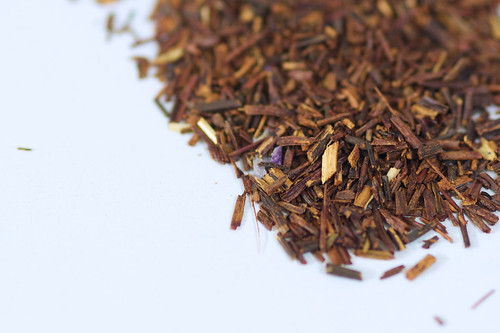
Oxidation gives rooibos its familiar reddish colour. (Photo by Smaku)

The herbal tea made from rooibos has been a popular drink in Southern Africa for generations. The plant, Aspalathus linearis, is grown only in a small area in the Western Cape province of South Africa, but during recent years rooibos has become popular in other parts of the world as well.

Though not technically a tea, the infusion made from oxidised rooibos leaves is commonly referred to as rooibos tea. Traditionally, it is enjoyed hot with a slice of lemon and sugar or honey, but iced tea versions and even a rooibos espresso made from concentrated rooibos are apparently gaining popularity.

While many people have acquired a taste for rooibos and know that it is considered something of a health drink, most of us are clueless as to what exactly the health benefits of rooibos are. In this post, we'll review what the studies say on rooibos tea.

The antioxidant activity of rooibos tea

Like regular tea, rooibos tea contains flavonoids which act as antioxidants. While the most beneficial flavonoids of green tea are catechins such as epigallocatechin gallate (EGCG), the main flavonoids in rooibos tea are aspalathin and nothofagin. One in vitro study found that aspalathin is even more effective at scavenging free radicals than EGCG (link) – a rather surprising result, given that just about everyone knows about antioxidants in green tea but not in rooibos tea. All in all, green tea still seems to beat rooibos tea in antioxidant activity, however (link).

The second flavonoid tested, nothofagin, was not as effective as quercetin but still potent. Oddly enough, an older study found that aspalathin and nothofagin can also act as pro-oxidants under certain in vitro conditions (link). The authors comment:

Fermentation (i.e., oxidation) of rooibos decreased the pro-oxidant activity of aqueous extracts, which was contributed to a decrease in their dihydrochalcone content. The in vitro pro-oxidant activity displayed by flavonoid-enriched fractions of rooibos demonstrates that one must be aware of the potential adverse biological properties of potent antioxidant extracts utilized as dietary supplements.

This is not a unique case, however. Vitamin C, probably the most famous antioxidant, has also been said to act as a pro-oxidant in some conditions in vitro; there is much less evidence to suggest it does so in vivo, however (link).

Feeding normal, healthy rats given rooibos tea instead of water had significantly higher serum superoxide dismutase (SOD) levels than the control rats (link). They also had less DNA damage, a result that confirms the findings of an earlier study (link). Futhermore, when the rats were given dextran sodium sulfate to induce colitis, the rooibos group had higher SOD levels, and the drop in hemoglobin levels seen in the control group was prevented. Thus, rooibos tea seems to be anti-inflammatory and have the potential to prevent DNA damage.

The cardiovascular benefits of rooibos tea

Due to their effects on vasodilation and vasoconstriction, angiotensin I-converting enzyme (ACE) inhibitors and nitric oxide (NO) are used to treat conditions such as high blood pressure and heart failure. In one study, the effect of green tea, black tea and rooibos tea on ACE and NO was compared in healthy human volunteers (link). None of the three had a marked effect on NO concentration, but both green tea and rooibos tea inhibited ACE activity, suggesting that they have cardiovascular benefits. This is in contrast to an earlier in vitro study which found that only green tea and black tea inhibited ACE (link).

Closely related to cardiovascular disease is diabetes. The good news is that that rooibos tea may help with this as well. In a mouse model of type 2 diabetes, aslapathin suppresses the increase in fasting blood glucose levels. It also improves glucose tolerance, apparently through stimulating glucose uptake in muscle tissues and insulin secretion from the pancreas (link). Drinking rooibos tea during a meal may not be a bad idea.

Rooibos tea for liver disease and respiratory problems

In rats, rooibos tea aids in liver tissue regeneration after prolonged intoxication. Compared to the rats receiving water during the regeneration period, the rooibos group had less fibrotic tissue in their livers and lower tissue malondialdehyde levels. The authors conclude that rooibos tea "can be recommended not only for the prevention but also as a co-adjuvant for the therapy of liver diseases."

Rooibos tea also has therapeutic potential for respiratory ailments. According to a study on rats, in addition to lowering blood pressure, rooibos tea is both a bronchodilator and an antispasmodic (link, link). This helps explain why rooibos tea is commonly used for gastrointestinal and respiratory problems. The flavonoid chrysoeriol seems to be mainly responsible for the bronchodilator and antispasmodic effect.

Rooibos extract fights HIV

Rooibos tea extract seems to be helpful in antigen-specific antibody production by increasing interleukin-2 (IL-2) production in vitro and in vivo (link). According to the authors, rooibos tea intake "may be of value in prophylaxis of the diseases involving a severe defect in Th1 immune response such as cancer, allergy, AIDS, and other infections."

Another study found that an alkaline extract of rooibos tea leaves suppressed HIV-induced cytopathicity (link). Green tea extract, on the other hand, was ineffective. The authors conclude that HIV infection may be suppressed by the daily intake of the alkaline extract of rooibos tea. Note that the extraction mechanism is important here, because regular rooibos tea does not have anti-HIV activity (link). See the abstracts for details.

Rooibos tea, lipid peroxidation and brain aging

The uncontrolled oxidation of lipids, which can happen during cooking or inside the body, leads to the formation of advanced lipid peroxidation end-products (ALEs). The accumulation of such products is one of the types of damage that occurs with aging.

Lipid peroxides also accumulate in the brain. Rooibos tea may help prevent this damage, however. Rats given rooibos tea instead of water accumulate significantly less aging damage in the brain than rats given water (link). In fact, the 24-month old rats given rooibos tea for most of their lives had brains similar to young 5-week-old rats. This is quite a remarkable result.

One study found that out of the flavonoids tested, quercetin and EGCG (found in green tea) were the best inhibitors of lipid peroxidation, while aspalathin had a similar potency as catechin (link). Nothofagin was of no use here, however. Since polyunsaturated fats or PUFAs are especially prone to form ALEs, it seems like a cup of green tea or rooibos tea with a meal containing polyunsaturated fats might be useful.

The difference between red and green rooibos tea

Typically, rooibos leaves are oxidised before they are used to make rooibos tea. This process, which is not exactly the same as the fermentation process used in making black tea, gives them the familiar reddish-brown color and the slightly sweet taste. However, unoxidised rooibos tea is also available, if you know where to look. The color and taste are quite different; I personally prefer the red version, but green rooibos tea is not bad either.

Like in the case of regular tea, the oxidation process also affects the flavonoid content of the tea. Unoxidised rooibos tea contains more about twice as much total flavonoids as oxidised tea and 10-fold higher levels of aspalathin and nothofagin (link, link). In the studies that have directly compared the two, the unoxidised version seems to generally come out on top. For example, unoxidised rooibos tea seems to protect rats from liver cancer more effectively than oxidised tea (link). The antimutagenic activity of the two depends on the mutagen in question, however (link).

Summary

The health benefits of rooibos tea seem to be mostly due to the flavonoids aspalathin and nothofagin, although other compounds in rooibos may also play a part. Here's a summary of the benefits:

  • Acts as an antioxidant and increases SOD levels
  • Prevents DNA damage
  • Cardiovascular protection through ACE inhibition
  • Suppresses fasting glucose levels
  • Improves glucose uptake and insulin secretion after a meal
  • Aids in liver tissue regeneration
  • Lowers blood pressure
  • Acts as a bronchodilator and antispasmodic
  • Inhibits lipid peroxidation and brain aging
  • Rooibos extract improves immune defects such as HIV

Since nothofagin and especially aspalathin are not really found in any other plant, rooibos tea looks like a valuable addition to one's health regimen. Even people who are not fans of green tea usually like the taste of rooibos tea. Since rooibos contains no caffeine, it can be also enjoyed in the evening.

For more information on various teas and health, see these posts:

Hibiscus Tea Lowers Blood Pressure
Tea, Coffee and Cocoa: All Good for Your Teeth
Yerba Mate Inhibits AGE Formation
Drinking 3 Cups of Green Tea Increases Plasma Antioxidant Activity in Humans by 12%

Read More......


Digg Technorati del.icio.us Stumbleupon Reddit Blinklist Furl Yahoo

Tuesday, July 28, 2009

Hibiscus Tea Lowers Blood Pressure

A cup or two of hibiscus tea is an effective remedy for hypertension.
A cup or two of hibiscus tea is an effective remedy for hypertension. (Photo by debra solomon)

Hibiscus tea (sometimes called sour tea) is a herbal drink made from the calyces of the Hibiscus sabdariffa flower. It is also commonly mixed with other ingredients such as ginger and sugar to make a chilled beverage known as agua de jamaica or rosa de jamaica.

Hibiscus tea is believed to reduce blood pressure and cholesterol. While there are no studies looking at the effect of hibiscus on cholesterol levels, I did find two studies that showed positive results in treating high blood pressure. In this post, we'll take a look at both papers.

Study methods

In the earlier study, men and women with moderate hypertension were randomly assigned to either an experimental or a control group (link). Inclusion criteria were a systolic pressure of 160-180 mmHg and/or a diastolic pressure of 100-114 mmHg. Mean age in both groups was slightly over 50 years.

The experimental group was given a box of hibiscus tea, while the control group was given ordinary tea (black tea, I assume, though the authors don't say). The participants were instructed to use two spoonfuls of tea in one glass of boiled water at least one hour before measuring blood pressure.

The newer study used sixty diabetic patients with mild hypertension (link). Participants were told to drink either hibiscus tea or black tea twice a day for one month. Blood pressure was measured on days 0, 15 and 30.

Results

After 12 days of drinking a cup of hibiscus tea, the experimental group in the first study showed a 11.2% decrease in systolic pressure and a 10.8% decrease in diastolic pressure, as compared to the first day. The control group showed a slight decrease in systolic pressure but not in diastolic pressure.

Systolic blood pressure in hibiscus tea and black tea drinkers
The above graph shows the systolic blood pressure of the experimental and control groups. Here is the graph showing changes in diastolic blood pressure:

Diastolic blood pressure in hibiscus tea and black tea drinkers
As you can see, both systolic and diastolic blood pressure went down in those who drank hibiscus tea for 12 days and then increased from day 12 to day 15. This is because after the twelve days, the participants were told to stop drinking tea and measured their blood pressure again after three days.

After stopping tea drinking, there was almost no change in the control group, while the blood pressure of the hibiscus tea drinkers quickly catched up with the control group. Hence, blood pressure was significantly affected by hibiscus tea but only slightly by ordinary tea. Furthermore, the authors speculate that the lowered blood pressure in the control group may in fact have been a result of the health advice given at the beginning of the study.

In the study with diabetic patients, systolic blood pressure went from 134.4 to 112.7 mmHg in those who drank hibiscus tea twice daily for a month. In those who drank black tea instead, systolic blood pressure increased from 118.6 to 127.3 mmHg. No statistically significant changes were seen in diastolic blood pressure in either group.

Mean pulse pressure, which is the difference between systolic and diastolic blood pressure, decreased in the hibiscus drinkers from 52.2 to 34.5 mmHg, while it increased in the black tea drinkers from 41.9 to 47.3 mmHg.

Conclusion

Hibiscus tea lowers blood pressure significantly in patients with mild to moderate hypertension. In one study, both systolic and diastolic pressure were lowered as a result of drinking hibiscus tea, while in another one only systolic pressure decreased.

In diabetic patients with mild hypertension, systolic pressure increased after drinking black tea daily, while diastolic pressure remained the same. In non-diabetic patients with moderate hypertension, both systolic and diastolic blood pressure decreased slightly after drinking black tea.

For more information on tea and blood pressure, see these posts:

Intermittent Fasting with a Condensed Eating Window – Part II: Blood Pressure, Body Weight & Cholesterol
A High-Protein Diet Is Better than a High-Carbohydrate Diet for Weight Loss
Green Tea Extract Increases Insulin Sensitivity & Fat Burning during Exercise
Drinking 10 Cups of Green Tea Daily and Not Smoking Could Add 12 Years to Your Life

Read More......


Digg Technorati del.icio.us Stumbleupon Reddit Blinklist Furl Yahoo

Monday, July 27, 2009

Green Tea Protects from the Psychological Effects of Stress in Rats

Feeling stressed? Enjoying a cup of green tea with your lunch may help.
Feeling stressed? Enjoying a cup of green tea with your lunch may help. (Photo by chotda)

It's no secret that a cup or two of green tea can make you relaxed, but now scientists have shown that green tea can reduce the effects of psychological stress in rats.

In a paper yet to be published, rats were put under stress and given either their usual diet or a diet enriched with green tea polyphenols (link). To see how psychological stress and green tea were related, experiments measuring cognitive performance and serum levels of stress hormones were done.

Study method

The rats were divided into five groups: control group (CT), stress group (ST), and three stress groups given low, medium and high doses of green tea polyphenols (LG, MG and HG). The green tea polyphenol (GTP) content of the three diets were 0.1%, 0.5% and 1%, respectively.

Psychological stress was induced by keeping the rats restrained and inhibiting their movements six hours every day for three weeks. Their cognitive performance was then evaluated using an open-field test, a step-through test and a water maze. These tests measure both the activity level and memory ability of rats.

Green tea polyphenols and cognitive performance

In the open-field test, which measures how actively rats explore the arena, the stressed rats were much less active than the control rats. No significant improvement was seen in the rats fed the low dose of green tea polyphenols, while the rats given the medium or high dose were almost as active as the control rats.

The memory of the rats was also affected by stress during the step-through test and water maze test. These tests measure spatial memory and the ability to remember adverse stimuli. Again, only the medium and high doses of GTPs significantly reduced the harmful effects of stress on the rats' memory.

Green tea polyphenols and stress hormones

Stress activates the symphatetic nervous system, which results in a release of catecholamines. Catecholamines are "fight-or-flight" hormones that consist of epinephrine, norepinephrine and dopamine. They are involved in the modulation of cognition, awareness, attention, and emotional state, helping the body to cope with a stressful situation. According to the authors, when the stress level is too high for the body to cope with, cognitive impairments appear and the levels of these hormones begin to decline.

Plasma levels of norepinephrine (another stress hormone, also known as noradrenaline) and dopamine were remarkably reduced in the ST and LG rats. In the MG and HG groups norepinephrine and dopamine levels were lower than in the control group, but much higher than in the LG group. In other words, medium and higher levels of green tea polyphenols partially inhibited the stress-induced decrease in the levels of these hormones.

All four stress groups had higher levels of plasma cortisol than the control group. Cortisol is often referred to as the "stress hormone", since its levels increase in the presence of stress and anxiety. Cortisol also causes blood pressure to rise and immune responses to be reduced. Feeding the stressed rats green tea polyphenols lowered their cortisol levels, but the reduction was statistically significant only in the MG group.

The levels of reactive oxidative species (ROS) were increased in the brain tissue of stressed rats, but again, medium and high doses of GTPs partially inhibited this increase. Similarly, the total antioxidative capacity in brain tissue was reduced by stress but to a smaller extent in the MG and HG groups. The levels of superoxide dismutase showed a similar trend, but the differences were not statistically significant.

A different effect was seen in the levels of interleukin-6 and interleukin-2. While stress increased IL-6 and IL-2, feeding the rats GTPs did not inhibit this increase. In fact, green tea polyphenols increased IL-6 even further. This may be because increased levels of IL-6 can enhance the body's adaptability to stress. Similar effects have been reported in other studies on green tea.

Conclusion

Psychological stress negatively affected the behavior and memory of rats. This adverse effect was associated with higher levels of cortisol, reactive oxygen species, IL-2, and IL-6, and lower levels of norepinephrine, dopamine, and total antioxidative capacity.

These changes were partially inhibited by diets containing 0.5% and 1% green tea polyphenols, except for IL-6, which was further increased by GTPs. A diet containing only 0.1% GTPs did not show significant results.

For more information on green tea and cognition, see these posts:

Green Tea Protects from Bone Loss in Female Rats
Green Tea Protects from Arthritis in Rats
Does Taurine Improve Cognitive Performance and Mood?
Does Ginkgo Biloba Improve Cognitive Performance?

Read More......


Digg Technorati del.icio.us Stumbleupon Reddit Blinklist Furl Yahoo

Friday, July 24, 2009

Whitening Teeth & Healing Gums – Experiment Update: Colgate Sensation White

The search for the perfect teeth whitening toothpaste continues.
The search for the perfect teeth whitening toothpaste continues. (Photo by jet platypus)

It's time for another update on my teeth whitening & gum healing experiment, which has been going on for quite a while now. As you may have guessed, the idea behind the experiment is to find safe and easy ways to whiten teeth and stop gums from receding.

To recap, for the past months I've been brushing my teeth with Colgate's Sensation White. This toothpaste has something called "micro-cleaning crystals", which are supposed to get rid of stains from coffee, tea, etc. According to Colgate, regular use will have a whitening effect in general. As a sign of confidence, the toothpaste even comes with a color strip to compare your teeth against.

I thought the included color strip was a great idea, but in practice, it's surprisingly difficult to find an exact match for your teeth color. So I decided to just rely on visual inspection. Subjective as it may be, I can say with a fair amount of certainty that my teeth are no whiter than they were before using Colgate. In fact, I would go as far as to say that they may have gotten even more discolored during these months.

This is most likely due to the fact that I drink several cups of green tea per day. While it most likely has a smaller effect than black tea, it still stains teeth in the long run. Another culprit is coffee, which I love. None of the supposed nootropics I've tried so far give me that mood-lifting energy boost quite like coffee does.

Two cups per day is my maximum at the moment. While it's not as much as many other coffee lovers I know, it probably has a significant effect on teeth color even in these amounts. And then there's dark chocolate, possibly my favourite food in the world. Goes brilliantly with coffee, mind you. I suspect consuming a copious amount of cocoa powder each day doesn't exactly make teeth sparkle, either.

It's important to note here that while staining, coffee, tea and cocoa are all good for dental health in general. It's just that the color and health of your teeth don't necessarily go together. For me, the choice between a longer life and shiny teeth is clear. Combining both would be optimal, of course.

My trust in whitening toothpastes is waning rapidly, but nonetheless, I have chosen another product for testing. This one is an ordinary store brand toothpaste with a claimed whitening effect. According to the label, the patented whitening mechanism is based on a combination triglycerides and hydrated silica. The latter is a common compound in toothpastes, as it a mild abrasive that helps in removing plaque and apparently also whitens teeth to some degree. Triglycerides in toothpaste is a new one for me, however.

I could just stop drinking tea and coffee for the duration of the experiment, but since most people looking to whiten their teeth are probably unwilling to quit enjoying their favourite beverages, I feel the experiment is much more interesting this way. If there's a product out there that can really make teeth whiter despite near-constant bombardment with tea, coffee and chocolate, then hey, we've got it made.

And if such a product indeed exists, I intend to find it.

For more information on dental health, see these posts:

Dental Health Effects of Green and Black Tea
The Role of Coenzyme Q10 in Oral Health
Tea, Coffee and Cocoa: All Good for Your Teeth
Preventing Mouth Ulcers with Tea Tree Oil Toothpaste - Results after Two Months

Read More......


Digg Technorati del.icio.us Stumbleupon Reddit Blinklist Furl Yahoo

Monday, June 29, 2009

Blood Test Analysis: The Cholesterol and Saturated Fat Issue Revisited

Blood Test Analysis: The Cholesterol and Saturated Fat Issue Revisited
Alcohol and triglycerides don't go well together. (Photo by paulaloe)

I just got my yearly blood test results back last week. I would've liked to have had a much larger blood panel done, but healthcare being what it is, I had to settle for two tests: a vitamin D test and a cholesterol test.

This post is a report on my cholesterol levels and how they differ from the results of the previous blood test. Possible explanations for the changes are also discussed.

My old cholesterol levels

If you're a long-time follower of this blog, you may remember my high-fat diet experiment from a year and a half ago. Part of the idea behind the experiment was to see whether eating a diet high in fat (especially saturated fat) is bad for cholesterol. My cholesterol levels after the experiment were as follows:

LDL: 3 mmol/l (117 mg/dl)
HDL: 2.24 mmol/l (87.36 mg/dl)
Total: 5.7 mmol/l (222.3 mg/dl)
Triglycerides: 0.92 mmol/l (81.88 mg/dl)

For a more thorough summary of the experiment and its results, see this post. In any case, I was quite pleased with my cholesterol levels, despite the fact that official recommendations consider my total cholesterol to be a bit too high.

My current cholesterol levels

So how do the old levels compare with the new ones? Here's the data from the most recent blood test:

LDL: 2.4 mmol/l (93.6 mg/dl)
HDL: 2.67 mmol/l (104 mg/dl)
Total: 5.7 mmol/l (222.3 mg/dl)
Triglycerides: 1.5 mmol/l (133.5 mg/dl)

As you can see, total cholesterol has remained the same, but the ratio of LDL to HDL (which is much more important for health than total cholesterol) has improved from 1.34 to 0.9 – that is, HDL is actually higher than LDL.

Triglycerides have increased, which is bad of course, but I suspect this is due to a two-week drinking binge right before the measurement. Low-carb diets lead to lower triglyceride levels, and since my cholesterol levels in general had improved, this is the only explanation I can think of. Apparently even moderate alcohol consumption can lead to large changes in triglyceride levels (link). I probably should've had the blood test before my holiday instead of after it.

Dietary changes I've made

So what is the explanation behind this improved LDL/HDL ratio? Compared to my diet during the high-fat experiment, I've made the following changes:

- Less cream
- Less butter
- Less yoghurt
- Less cheese
+ More dark chocolate
+ More coconut milk
+ More red palm oil
+ More green tea

Even though I ended the experiment, my fat intake on a typical day is still very high. I also get a lot of saturated fat from chocolate, coconut milk, red palm oil and meat – so much that according to official standards I should probably be dead by now from all the "artery-clogging harmful fats". Thus, while I have gotten rid of much of the dairy I was consuming before, most of the fat I eat is still saturated, and fat is still the main constituent of my diet.

Other changes in lifestyle

In addition to these dietary changes, I've started taking vitamin D3 (2,000 IU daily for a few months, then 5,000 IU) and a multivitamin (2 capsules of Ortho-Core daily) regularly. I've also tried various other supplements, but most of the experiments have likely been too short to have had any effect on cholesterol. In addition, my exercise routine has shifted somewhat from resistance training to aerobic training (i.e. less gym and more running), but I doubt this would have much effect either.

And then there's of course intermittent fasting, which is one of the longest-running experiments on this blog. For the past few weeks I've been skipping breakfast and lunch, but before that, I was eating for 24 hours and then fasting for 24 hours. There is one study that suggested eating only one large meal instead of three smaller ones could be bad for cholesterol, but as I wrote in the post, there were some problems with this study. My hunch is that periods of fasting are either neutral or good for cholesterol.

Conclusion

Continuing to eat a diet high in fat, especially saturated fat, has improved my ratio of LDL to HDL. Though I don't believe the matter is as simple as labeling one "good cholesterol" and the other "bad cholesterol", I do think the ratio is a much better indicator of health risk than total cholesterol. In particular, high HDL appears to be very good, while the potential unhealthiness of LDL depends on the size of the LDL particles.

My diet is in stark contrast to official recommendations, which promote polyunsaturated fats and discourage the consumption of saturated fats and meat. As I've written before, the science does not appear to support the hopelessly outdated official position on fats and cholesterol. The pamphlet I got with my results actually warns never to eat coconut or organ meats but to eat as much candy as you want!

At least in my case, going against the grain has not resulted in any health problems – on the contrary, a higher HDL than LDL is a very good sign. Until I see clinical studies that show saturated fats are harmful, I'm not planning on making huge changes to my diet.

For more information on cholesterol and diet, see these posts:

Coconut Lowers LDL, VLDL and Triglycerides, Raises HDL
How Does Fructose Affect Triglyceride and Cholesterol Levels?
Niacin Raises HDL, Lowers LDL, VLDL & Triglycerides
Low-Carb vs. Low-Fat: Effects on Weight Loss and Cholesterol in Overweight Men

Read More......


Digg Technorati del.icio.us Stumbleupon Reddit Blinklist Furl Yahoo

Wednesday, June 24, 2009

Tea, Coffee and Cocoa: All Good for Your Teeth

The caffeine in coffee is good for teeth.
The caffeine in coffee is good for dental health. (Photo by Ballistik Coffee Boy)

It may not come as a big surprise to you that green tea is good for dental health. After all, green tea is the miracle cure for pretty much anything, right?

If you're not a huge fan of green tea, worry not: there are other beverages out there that can do the same. In fact, if you're a long time follower of this blog, then you already know that not only green tea but also black tea helps prevent dental caries. Both are also good for the gums.

The good news doesn't stop there, however. A recent review found that in addition to tea, cocoa and coffee showed anti-cariogenic potential as well (link). The reason behind this effect is the polyphenol content in all three. Though each three has different polyphenols that work in different ways, they all appear to get the job done and improve oral health.

Cocoa and dental caries

According to the authors of the review, studies have shown that additing cocoa powder or chocolate to hamster diets reduces their caries incidence. Unsurprisingly, cocoa powder or dark chocolate works better than chocolate with high sugar and low cocoa levels. Water-soluble extracts of cocoa powder also inhibited caries formation in rats.

The two main strains of bacteria that cause caries are Streptococcus sanguinis and Streptococcus mutans. Although the case is not entirely clear, cocoa polyphenols seem to inhibit the growth of the former but not the latter.

Cocoa also reduces plaque formation by inhibiting the enzyme dextransucrase, which forms plaque extracellular polysaccharides from sucrose. In one study, a mouth-rinse made from the ground husk of cocoa beans was effective in reducing plaque scores in children.

Coffee and dental caries

Roasted coffee beans were shown in two studies to be antibacterial against S. mutans. Coffee also appears to interfere with the adsorption of S. mutans to teeth. In another study, coffee did not inhibit the growth of the bacteria, but did reduce the adherence of bacterial cells to dental surface. In other words, while coffee might not kill the bacteria, drinking coffee could prevent it from sticking to your teeth.

The compounds in coffee that are most active in terms of dental health are trigonelline, caffeine and chlorogenic acid. It is possible that the anti-adhesive effect is due to the synergistic action of these (and other) chemicals in coffee.

Tea and dental caries

Since I've already covered the topic of tea and dental health in an earlier post, I'll just go over the review findings briefly here.

Tea polyphenols appear to protect from dental caries primarily through their anti-microbial action. While cocoa and coffee are mostly effective against the adhesion of bacteria on the surface of teeth, tea in addition actually inhibits the growth of several strains of Streptococcus. The polyphenols in tea also reduce the formation of plaque, the production of acidic compounds and the synthesis of glucan from sucrose. Importantly, commercial teas have been shown to inhibit salivary amylase activity, which may significantly reduce caries formation from foods with starch.

Green tea, black tea and oolong tea (which is somewhere between the two in terms of fermentation time) have all been shown to be beneficial for oral health. Even though white tea has not been studied, it very likely has much of the same benefits as green tea. Due to its light color, it may also stain teeth less than green or black tea.

Conclusion

Tea, coffee and cocoa are all beneficial for dental health. Tea appears to be the best choice, since the polyphenols in tea are not only able to inhibit the adherence of bacteria to teeth, but also prevent the growth of cariogenic bacteria.

Tea is also effective against S. sanguinis and S. mutans, the two main strains responsible for caries, while coffee and cocoa seem to only work against the latter. While the effects of coffee have only been tested in vitro, cocoa has been shown to prevent caries formation in animals and reduce plaque in humans.

For more information on oral health, see these posts:

The Role of Coenzyme Q10 in Oral Health
Whitening Teeth & Healing Gums – Experiment Update
Dental Health Effects of Green and Black Tea
Preventing Mouth Ulcers with Tea Tree Oil Toothpaste - Results after Two Months

Read More......


Digg Technorati del.icio.us Stumbleupon Reddit Blinklist Furl Yahoo

Monday, May 18, 2009

Swine Flu and Avoiding the Cytokine Storm: What to Eat and What Not to Eat?

Swine Flu and Avoiding the Cytokine Storm: What to Eat and What Not to Eat?
Pomegranate juice is an ACE inhibitor. (Photo by JOE M500)

The scary connection between the 1918 flu pandemic (Spanish flu), the avian influenza (bird flu) and the swine influenza (pig flu) is that they all strike hardest those with healthy immune systems.

Usually, when people die of influenza, it's because they're old or their immune systems are compromised in other ways. Not so with the swine flu. As with the other two pandemics, death rates from swine flu have been highest among the 15-40 age group. Healthy young people seem to be in an especially big danger of dying from the influenza.

Swine flu, inflammation and the cytokine storm

The reason behind the deaths seems to be an exaggerated immune response, known as a cytokine storm. Since the body doesn't know what to do with the virus, it triggers an all-out release of inflammatory mediators. The reaction then becomes out of control, and the feedback loop ends up killing the patient (link).

The cytokine storm is the reason why the usual recipe for good health doesn't apply in the case of swine flu. Both inflammatory and anti-inflammatory cytokines have their uses in fighting off infection, and inhibiting inflammation is considered a good way to promote health in general. However, increasing anti-inflammatory cytokines during a cytokine storm is a bad idea.

So how do we shield ourselves from a cytokine storm? No one is really sure at this point. In a cytokine storm from avian influenza, the main cytokines responsible are TNF-alpha, IL-6 and IFN-gamma (link, link), with IP-10 and IFN-beta also being expressed more than usual (link). Reducing the levels of these and other cytokines could, at least in theory, be helpful. There is also some evidence that angiontensin converting enzyme (ACE) inhibitors might help in mediating cytokine storms (link, link, link), though we don't know for certain.

While taking cytokine and ACE inhibitors for swine influenza is currently only a theory, I nevertheless find it an interesting one. Specifically, I think a look into how "health foods" affect cytokines is useful, since conventional wisdom may not apply here due to reasons mentioned earlier. Below, we'll take a look at some natural cytokine and ACE inhibitors and also discuss which health foods may actually be harmful.

ACE inhibitors from natural sources

Procyanidins and flavanols have an inhibitory effect on angiotensin converting enzyme (link). They are found in many plants, such as apples, cocoa, cinnamon, berries and tea. Chokeberries have the highest concentration of procyanidins.

In one study, procyanidins and epigallocatechin were effective while catechin, epicatechin, gallic acid, chlorogenic acid, caffeic acid, quercetin, kaempferol and resveratrol at similar concentrations were ineffective (link). Accordingly, wine, chocolate and tea were all found to inhibit ACE activity, with red wine being more effective than white wine, green tea being more effective than black tea.

A word of caution: cocoa, while inhibiting ACE activity, may increase the secretion of TNF-alpha (link) and IL-1 and IL-4 expression (link), which could be bad news in the case of a cytokine storm. Chocolate may therefore not be a good idea if trying to reduce cytokines.

Quercetin, while ineffective in the study mentioned above, has been shown to have an inhibitory effect on the angiotensin converting enzyme, similarly to captopril (link), while also reducing blood pressure (link) and the angiotensin-induced production of IL-6 (link).

Another study found that both green tea and black tea inhibited ACE activity dose-dependently (link). In addition, all four catechins tested (including epicatechin) were effective. Rooibos tea, however, had no effect.

Pomegranate juice seems to be very effective in inhibiting ACE activity in vitro and in vivo (link). Hypertensive patients given 50 ml of pomegranate juice for two weeks had a 36% decrease in ACE activity and a 5% reduction in systolic blood pressure.

Cytokine inhibitors from natural sources

Epigallocatechin gallate (EGCG) inhibits the production of TNF-alpha, IL-6 and IL-8 (link). The best source of EGCG is green tea. Black tea is not without its merits either, though, as the theaflavins in black tea appear to reduce levels of IL-1 and IL-6 (link).

Several compounds in garlic appear to inhibit cytokines. Ajoene partially inhibits the production of TNF-alpha (link). Allicin inhibits IL-1, IL-8 and IP-10 (link), while alliin increases IL-1 and TNF-alpha (link). Crushing or chopping garlic causes alliin to be converted into allicin, while cooking garlic decreases allicin (link). Therefore, for the purposes of reducing cytokines, it's better to crush garlic and eat it raw.

Chronic garlic administration decreases myocardial TNF-alpha expression in rats (link). One study showed that garlic may increase IL-10 (link), and another one showed it increased IL-4 while reducing IFN-gamma (link). However, in humans, garlic powder extract has been shown to reduce IL-1 and TNF-alpha with no effect on IL-10 (link). The ratio of alliin and allicin may be important here as well.

When mice infected with influenza were fed vitamin E, they had significantly lower levels of IL-1beta, IL-6 and TNF-alpha (link, link). A relatively good natural source of vitamin E is red palm oil, which has been shown to reduce TNF in humans (link).

Fats, depending on their omega-3/omega-6 ratio and whether they're saturated or unsaturated, may play an important part in cytokine production. In rats, fish oil (which is high in omega-3) was shown to reduce levels of IL-1 and IL-6 (link). In humans, 4 weeks administration of flaxseed oil followed by 4 weeks of fish oil was shown to inhibit TNF-alpha and IL-1 in healthy humans, with fish oil being more effective (link).

Not all the data is positive, unfortunately. A long-term study comparing various doses of fish oil in humans concluded that supplementation for 1 year did not affect cytokine production (link). In another study, olive oil, coconut oil and fish oil all reduced IL-1 production in rats during the first 4 weeks of administration (link). However, after 4 weeks, olive oil and fish oil increased IL-6 production, and after 8 weeks, olive oil began to increase IL-1 production as well.

While resveratrol was found in the previously mentioned study to be ineffective for inhibiting ACE activity, it appears to suppress the expression of TNF-alpha, IL-6 and IL-8 (link, link). Resveratrol is found in red wine, red grapes and peanuts. Red wine has been shown to reduce levels of TNF-alpha, IL-6 and IL-8 in diabetics (link), although one study found no effect on cytokines from red wine (link) and another one found an increase in IL-6 (link). While those with peanut allergy should obviously avoid peanuts, it is unclear how peanuts affect cytokine levels in non-allergic people.

Quercetin decreases the expression of TNF-alpha, IL-6 and IL-8 (link, link). Food sources of quercetin include green tea, capers, fennel, onions, cocoa, kale and apples with skins (link, link). Compared to supplements, the quercetin content of foods is quite low, however.

Curcumin appears to reduce levels of TNF-alpha along with IL-6 and IL-8 (link, link, link). The main food source of curcumin is the spice turmeric. While the bioavailability of curcumin is very low, heating (link) and the addition of piperine greatly enhances its absorption (link). Piperine, which is found in black peppers, also inhibits inhibits IL-1, IL-6 and TNF-alpha (link).

One study showed that 2,000 IU of vitamin D3 given for nine months resulted in lower TNF-alpha and higher IL-10 levels than the control group (link). Vitamin D3 seems to increase IL-4 but decrease TNF-alpha, INF-gamma and IL-6 (link, link). On the other hand, a vitamin D deficiency reduced IL-1 levels, halved TNF levels and reduced IL-6 levels five-to-tenfold in mice (link). The Vitamin D Council newsletter covers this topic extensively (link); in short, they seem to advocate either not taking any vitamin D3 or taking at least 5,000 IU. Anything in between is potentially harmful for cytokine storms.

Summary

For the purposes of inhibiting ACE and reducing cytokines, the following foods and compounds seem to be the best choices:
  • Green tea (ACE inhibitor, reduces cytokines)
  • Black tea (ACE inhibitor, reduces cytokines)
  • Quercetin (possible ACE inhibitor, reduces cytokines)
  • Pomegranate juice (ACE inhibitor)
  • Red wine (ACE inhibitor)
  • Turmeric (reduces cytokines)
  • Black pepper (reduces cytokines)
  • Raw crushed garlic (reduces cytokines)
  • Red palm oil (reduces cytokines)
  • Vitamin E (reduces cytokines)
  • Coconut oil (reduces cytokines)
The following foods, while beneficial in many other ways, may not be a good idea in terms of reducing cytokine levels:
  • Olive oil (may increase cytokines)
  • Fish oil (may increase cytokines)
  • Chocolate (ACE inhibitor, increases cytokines)
In addition, it seems that vitamin D3 could be on either list, depending on the dosage. Average blood levels of vitamin D may be worse than very low or high levels.

That's it for this week, I'm off for a holiday (hopefully without swine flu), so no updates for a few weeks. For more information on cytokines and inflammation, see these posts:

Examining Possible Causes for Slower Wound Healing
Green Tea Protects from Arthritis in Rats
Green Tea Protects Cartilage from Arthritis in Vitro
Intermittent Fasting with a Condensed Eating Window – Part III: Fasting Blood Glucose, Cortisol & Conclusion

Read More......


Digg Technorati del.icio.us Stumbleupon Reddit Blinklist Furl Yahoo

  © Blogger template 'Perfection' by Ourblogtemplates.com 2008

Back to TOP