Showing posts with label cholesterol. Show all posts

Monday, February 21, 2022

5 Reasons Why Dark Chocolate Is Better than Milk Chocolate

Look good? Forget it, there's way too much sugar. (Photo by .craig)
You may have thought of chocolate as a guilty pleasure, but the ancient Maya considered it the food of gods. Granted, the Maya also thought cutting out someone's heart in a ritual ceremony was a good fun, but they did get one thing right: chocolate really is a health food. That is, as long as you buy the dark kind. In fact, the darker the chocolate the healthier it is. As good as that sugar-laden milk chocolate bar may taste, it wouldn't have made its way into any self-respecting Maya feast. If you don't believe me, read further for three good reasons to choose dark chocolate instead of milk chocolate. 1. Dark chocolate is better for weight loss. Even though the amount of calories in milk chocolate and dark chocolate are pretty similar (and in fact milk chocolate sometimes contains fewer calories), dark chocolate contains significantly less carbohydrates. Milk chocolate usually has about 50 grams of carbs per 100 g, while the amount of carbs in dark chocolate ranges from 8 to 35 carbs, depending on how dark it is. A chocolate with 70% cocoa has ~30 grams; a 85% chocolate has ~20 grams. If weight loss or maintenance is your goal, the combination of large amounts of carbohydrates and fat is something to avoid. A high carbohydrate load will increase insulin secretion, which is a signal for the body to store energy as fat. The reason why low-carb diets are so effective for weight loss is their effect on insulin: even if you eat lots of fat, if there are no carbs present to drive insulin up, the energy from dietary fat won't be stored into fat cells. Unless you consume only a small quantity or restrict other carb sources to a minimum, combining milk chocolate with a low-carb diet is going to be difficult. If your goal is to stay under 50 grams per day, 100 grams of milk chocolate fills up your entire quota. But 100 grams of 85% dark chocolate still leaves you with 30 grams to spend on other carb sources, making dark chocolate a viable option even for low-carb dieters. 2. Dark chocolate causes less aging. Okay, so perhaps a bit of an exaggeration there, since we don't know exactly how big a role advanced glycation end-products play in the aging process. We do know, however, that the accumulation of AGEs is one of the seven biomarkers of aging, which makes avoiding them a sensible goal. As it happens, weight gain is not the only problem with the carbs in milk chocolate. Almost all of the carbohydrate in chocolate is sucrose, which is half glucose and half fructose. Even though the word 'glycation' in 'AGE' implies that glucose is the culprit, the fact is that fructose is much more prone to cause AGEs in the body. Since the main ingredient in milk chocolate is sugar, a 100 grams of milk chocolate will also give you a hefty dose of fructose. Dark chocolate, on the other hand, is mostly composed of fat – cocoa butter, to be specific. The fatty acid composition is 61% saturated fat, 36% monounsaturated and only 3% polyunsaturated fat, making cocoa butter very resistant to oxidation. And if you're worried about cholesterol, here's something to ease your mind: almost all of the saturated fat in cocoa butter is cholesterol-neutral stearic acid. Fructose, however, may increase triglycerides levels. Unlike dark chocolate, milk chocolate also contains some lactose. In addition to making milk chocolate an impossible treat for some lactose intolerants, lactose also causes glycation. Lactose breaks down to glucose and galactose, and like fructose, galactose appears to form AGEs more rapidly than glucose. 3. Dark chocolate has more cocoa polyphenols. The health benefits of chocolate are almost entirely due to the polyphenols found in cocoa. As a rule of thumb, whenever you read something good about chocolate, what they're really talking about is cocoa. Therefore, as the cocoa content of chocolate increases, so do its positive effects on health. A standard milk chocolate will contain about 30% cocoa, while premium dark chocolates usually have more than 70%. Another thing that reduces the polyphenol content of chocolate (by 60-90%) is alkalization (link), also known as Dutch processing or simply Dutching. Alkalization was invented in the 19th century to get rid of some of the bitterness of cocoa powder and to make it more palatable. Non-alkalized cocoa powder is a more light brown in color and tastes less sweet than alkalized cocoa powder. Nowadays Dutch processing is very common among industrial chocolate makers (link), which suggests that there's a good chance the average high-sugar milk chocolate will contain alkalized cocoa. Many dark chocolates seem to use non-alkalized cocoa, however, probably because the bitterness is perceived as preferable among chocolate enthusiasts. 4. The cocoa polyphenols in dark chocolate are more bioavailable. Even if your dark chocolate happens to be made from alkalized cocoa, you'll still get more bang for your buck in terms of polyphenols, because the polyphenols will be more bioavailable. This is again related to differences in the macronutrient composition of chocolates. First, the bioavailability of cocoa polyphenols depends partly on the fat content of chocolate. One in vitro study showed that cocoa liquor (which is about 50% fat) retained more polyphenols than cocoa powder (about 15% fat) when submitted to a digestion model (link). The reason appears to be that the higher fat content increases the stability of cocoa polyphenols during digestion. Second, sucrose and milk protein may affect the absorption of polyphenols negatively (link). Dark chocolate contains no milk protein, less sucrose and much more cocoa liquor than milk chocolate. The actual content varies, since different countries have different regulations on what kind of chocolates can be called "dark chocolate". The FDA, for example, states that dark chocolate must contain at least 35% chocolate liquor, while milk chocolate only needs to have more than 10%. Also, chocolates with 40-70% cocoa are also sometimes sold as "dark chocolate", so be sure to check the ingredient list before purchase. The words "cocoa mass", "cocoa liquor", "cocoa powder", "cocoa paste", "cocoa solids", or something to that effect should be first on the list – if "sugar" is mentioned first, it's definitely not real dark chocolate. 5. Dark chocolate is more filling. Anyone who has tried both milk chocolate and dark chocolate must have noticed that it takes much less to satisfy chocolate cravings with the latter than the former. I can personally eat 200 grams of milk chocolate (more than 1,000 kcal) in one go without having my craving satisfied. With 99% dark chocolate, a few pieces is enough. A similar effect was shown in a study from last year (link). This, as mentioned before, is not related to energy content, because milk chocolate and dark chocolate have virtually the same amount of calories. Rather, the reason why a smaller quantity of dark chocolate is enough is probably a combination of less sugar and more nutrients. Humans generally have a preference for sweet foods, which is why we love candy when we're kids. But part of the reason why we can't stop eating candy until we feel sick is that there are no nutrients in candy, only calories. This lack of nutrients causes our body to send the satiety signal way too late. Since dark chocolate is higher in cocoa powder, it's also higher in many nutrients, such as iron, magnesium, phosphorus, copper and manganese. Combined with the lower amount of sugar and high amount of fat, it's no surprise you get your daily chocolate fix quicker with dark chocolate than milk chocolate. Summary Dark chocolate contains less sugar, more cholesterol-neutral fat, and more cocoa polyphenols in a more bioavailable form than milk chocolate. Dark chocolate is also more filling, which means it takes less calories to satisfy your chocolate cravings. Keep in mind, however, that excess consumption of dark chocolate has its downsides too. Cocoa powder is high in iron and oxalates, which are harmful in high quantities. We'll return to the subject of optimal intakes in future posts, but for now, I limit mine to 50-100 grams of chocolate per day. For more information on chocolate, sugar, fat, and health, see these posts: Tea, Coffee and Cocoa: All Good for Your Teeth SAs, MUFAs vs. PUFAs: Fat Storage Depends on Type of Fatty Acid in Rabbits Fats and AGEs: PUFAs Are Even Worse than Fructose Low-Carb vs. Low-Fat: Effects on Weight Loss and Cholesterol in Overweight Men

Read More......


Digg Technorati del.icio.us Stumbleupon Reddit Blinklist Furl Yahoo

Thursday, February 17, 2022

Refined vs Red Palm Oil and Cholesterol


Palm oil, palm kernel oil, palm olein and palm stearin are all different products of the palm tree.


Palm oil is extracted from the pulp of the fruit of the oil palm. Palm kernel oil, on the other hand, is extracted from the seed of the oil palm. While red palm oil (also known as crude palm oil) is easily distinguishable by its deep orange to red color, refined palm oil and palm kernel oil can be hard to tell apart. Both are white to yellowish in color and solid at room temperature.

Palm oil contains about 45 g saturated, 40 g monounsaturated, and 8 g polyunsaturated fatty acids per 100 grams. Though not as saturated as coconut oil, palm oil is still at the top of the list when it comes to saturation. Palm kernel oil is even more saturated, containing more than 80% saturated fatty acids.

It's no surprise that palm oil has been labeled an unhealthy fat by most health experts. Obviously, this much saturated fat must send cholesterol levels through the roof and, as a result, cause heart disease. Right?

Well, not quite. After going through pubmed for all the abstracts (and a couple of full papers) on palm oil and cholesterol, it's clear that the case is everything but clear. The heart disease part deserves it's own post, but for now let's concentrate on how palm oil really affects cholesterol levels.

Palm oil and cholesterol in animals

In one study, partially refined, bleached and deodorized (RBD) palm oil was fed to rats on different diets (link). All groups that were given palm oil as part of their diet had significantly lower total cholesterol (TC) levels than the control group. In addition, when normal and hyperlipidemic rats were given palm oil, they had higher HDL levels than hyperlipidemic rats that were not fed palm oil. Similar results were seen in another study where rats given palm oil had a higher ratio of HDL to total cholesterol and lower triglycerides than the control rats (link).

An earlier study that fed rats with various fats for a year came to a different conclusion (link). TC was higher in rats fed palm oil than in rats fed with other fats such as sunflower oil or butter. Triglycerides were higher in palm oil and butter groups than in sunflower oil groups. And, to make things even more confusing, rats fed palm oil for four weeks showed a tendency for slightly lower triglycerides and HDL, whereas sunflower oil tended to increase triglycerides and HDL (link).

Basically what the above studies show is that the results vary greatly. Sometimes palm oil improves TC/HDL ratio, sometimes it worsens it. Sometimes triglycerides decrease, sometimes they increase. What's more, these two don't even have to go hand in hand, which makes it hard to decide whether the overall effect is good or bad.

One question that raises at this point is whether refining the oil makes a difference. One study that compared unrefined (that is, red/crude) and refined palm oil found that rats fed unrefined palm oil had lower total cholesterol, LDL, VLDL and higher HDL than those fed refined palm oil (link). Perhaps the tocotrienols in red palm oil play a role? Maybe so, but there is also one study that did not see a difference in cholesterol levels between rats fed red palm oil and refined palm oil for three months (link).

There are also other variables that might affect the end results. For example, I found one rat study that directly compared the effects of fresh and once or repeatedly heated palm oil (link). The rats that were given either fresh or once-heated palm oil did not have any deleterious effect, whereas palm oil heated five times increased total cholesterol and thiobarbituric acid reactive substances (TBARS) levels. This means that even though palm oil tolerates heat much better than most oils, using the same oil many times may not be a good idea.

Similarly, comparing fresh and oxidized (either through heating or prolonged exposure to air) palm oil shows that while both increase total cholesterol compared to rats eating a normal diet, oxidized palm oil increases it even more, and that this is due to an increase in LDL, not HDL (link). Further, oxidized palm oil increased the mean arterial blood pressure of the rats, while fresh palm oil did not.

Unlike humans, hamsters fed oil and dietary cholesterol quickly develop hyperlipidemia. Hamsters that were given various palm oils had dramatically lower levels of total cholesterol, LDL and VLDL than hamsters given coconut oil (link). The three forms of palm oil were red palm oil, refined palm oil and refined palm oil with red palm oil extract. In the hamsters that were fed red palm oil or refined palm oil with red palm oil extract, HDL levels were significantly higher and triglycerides significantly lower than in hamsters fed coconut oil.

The best one of the three was unrefined red palm oil, but as you can see, even refined palm oil had favourable effects. Note also that adding an extract of red palm oil into the refined palm oil improved things, which supports the idea that the carotenoids, tocotrienols and tocopherols play a role in the health effects of red palm oil.

In another study, hamsters given palm oil had higher levels of total cholesterol, HDL and triglycerides than those given olive oil or maize oil (link). The title of the paper suggests that the amount saturated fat is directly responsible for HDL levels in hamsters: when they eat little saturated fat, HDL is low, and vice versa. However, in the previous study HDL increased after switching from coconut oil to red palm oil, even though coconut oil is higher in saturated fat.

In vervet monkeys, palm olein oil reduced the risk the risk for developing early atherosclerotic lesions while not significantly affecting cholesterol levels compared to monkeys given lard or sunflower oil (link). Note, however, that palm olein oil is not the same as palm oil. Although it has a high palmitic acid content like palm oil, palm olein oil is the refined, liquid fraction of palm oil. The solid fraction is palm stearin. Palm olein is about 45% saturated and 55% unsaturated, while palm stearin is 60% saturated and 40% unsaturated. While they may have different effects, at least in rats palm stearin, palm olein and palm oil all increased HDL in one study (link).

Palm oil and cholesterol in humans

While animal studies may give us an idea of what to expect, we are not rats, hamsters or monkeys. Humans are adapted to a different kind of diet through evolution, and cholesterol studies in animals can be pretty misleading when applied to humans.

First, let's take a look at what happens when you give palm oil to people with what doctors would call hypercholesterolemia or high cholesterol. In women with high cholesterol, soybean oil, rice bran oil and palm oil all reduced LDL and TC, despite their differing fatty acid composition (link). Thus, saturated fat does not necessarily increase LDL.

In this study, only soybean oil reduced HDL. Soybean oil also reduced small dense LDL (sd-LDL), while palm oil consumption increased it. That same LDL was more susceptible to oxidation in those who consumed soybean oil, however. Since oxidized LDL appears to be the best predictor of atherosclerosis, perhaps an increased number of small LDL particles with less oxidation is better than increased oxidation with less particles.

When older women with high cholesterol were given sunflower oil (which is very high in PUFA) or palm olein, the latter increased total cholesterol and LDL, especially in women with high TC to begin with (link). Contrast this with the previous study where the palm oil normalized cholesterol levels. Still, no difference was seen in TC/HDL ratio. HDL increased only in those with normal cholesterol levels. Again, palm olein also decreased LDL oxidation, especially in those with high cholesterol.

There's also a study that compared sunflower oil and palm olein in older women but with normal cholesterol. This time, the diet containing palm olein increased TC and HDL compared to a sunflower oil diet (link). Another study found palm oil and sunflower oil to cause no difference in HDL, whereas palm oil increased TC and LDL (link). A third comparison of the two oils found the same (link).

Perhaps palm oil and palm olein have different effects on cholesterol? That sounds plausible, but one study found no difference between palm oil, palm olein, palm stearin and soybean oil in terms of LDL, HDL and triglycerides (link). Then again, not all palm oleins are equal. When red palm olein and palm olein was compared with sunflower oil in patients with excessive fibrinogen (a blood clotting factor) in their blood, red palm olein came out on top (link). Palm olein increased TC more than red palm olein and sunflower oil. LDL increased in the palm olein group compared to the sunflower oil group.

So far, we've looked at palm oil vs. PUFA-rich oils, but what about other fats? Lard has a pretty similar fatty acid profile as palm oil. It has plenty of MUFAs and SFAs but only little PUFAs. Comparing palm oil with soybean oil, peanut oil and lard in Chinese adults showed that palm oil reduced TC and LDL, while lard increased both (link). Peanut oil had no effect. Palm oil also improved the TC/HDL ratio.

A study that fed palm oil, lard or puff-pastry margarine to obese women found no difference in cholesterol levels (link). It did find that obese women had lower HDL levels and higher fasting leptin (four times as high!) than normal-weight women, however. So, compared to lard, palm oil either reduces LDL or does nothing.

Peanut oil is 49% MUFA, 33% PUFA and only 18% SFA. The MUFA content is similar to palm oil but its PUFA content is much higher. One study found no difference between palm olein from red palm oil and peanut oil (link). Olive oil is even higher than peanut oil in MUFA, containing about 70% of its fatty acids in the monounsaturated form. One study found no difference between palm olein containing tocotrienols and olive oil in terms of cholesterol (link).

Coconut oil is much higher in saturated fat than palm oil. Unsurprisingly, it tends to raise cholesterol in most animal studies more than other fats. In humans, small amounts may not make a big difference. Enriching the diets of healthy, young women with palm oil or coconut oil did not result in differences in total cholesterol compared to consuming the same amount of energy MUFAs (link). In larger amounts the difference start to become clearer. Compared to coconut oil, palm oil generally results in lower total cholesterol, LDL and HDL (link).

Still, even high amounts of red palm oil doesn't necessarily increase cholesterol. In Chinese men, a diet containing 28% fat with red palm oil accounting for 60% of that, no change was seen in total cholesterol, triglycerides, or HDL after 42 days (link). Plasma concentrations of carotenoids and vitamin E increased, however.

Hydrogenation, which turns liquid fats solid, may also play a role. Compared to saturated fatty acids such as palmitic acid, hydrogenated fats containing trans fatty acids tend to increase total cholesterol and LDL while lowering HDL levels (link, link). One paper compared the effects of palm oil with partially hydrogenated fat and oils high in MUFAs or PUFAs (link). Partially hydrogenated soybean oil and palm oil resulted in higher LDL than regular soybean oil. There was no significant difference in TC/HDL between the oils, but HDL3 was higher after palm oil.

In another study, three different margarines were given to 27 young women (link). One of the margarines was based on palm oil, one on partially hydrogenated soybean oil and one was made with a high content of PUFAs. The PUFA margarine lowered total cholesterol and LDL compared to the other two, while soybean margarine lowered HDL compared to the other two. One study compared the effects of partially hydrogenated soybean oil, high oleic palm olein and unhydrogenated palm stearin (link). Both soybean oil and palm stearin increased TC/HDL compared to palm olein, with palm stearin having a lesser effect than soybean oil. 

Looking at the question from the opposite angle gives similar answers. The saturated fat in a typical Dutch diet comes mainly from animal fats and hydrogenated oils. Replacing them with palm oil resulted in an 11% increase in HDL and a 8% decrease in the LDL/HDL ratio (link). Triglycerides were also reduced.

In many of the studies, the subjects are either given supplements or they just basically scoop up the fat with a spoon. This is not how most people actually use these oils, however – they cook with them. When you put different oils into a frying pan and then eat them is when you start to see different results.

For example, using palm oil or soybean oil for cooking does not seem to change serum cholesterol levels much in the short term (link). However, cooking in soybean oil resulted in a 47% increase in triglycerides compared to palm oil, which goes to show that oils high in PUFAs are not very suitable for cooking. Also, some of the effects may only become visible after a longer period of time. There aren't many long-term studies in humans, but Mauritius is an exception. In 1987, the government changed the formula of the commonly used cooking oil from palm oil to soybean oil. As a result, total cholesterol levels dropped by about 0.8 mmol/L in the course of five years (link). There's no mention of triglycerides, unfortunately.

Finally, men and women seem to respond differently to dietary fats. When a small amount of red palm oil was given to healthy subjects for two weeks, all lipid fractions decreased, with a statistically significant decrease seen in LDL and triglycerides (link). A closer look revealed that there was a difference between men and women, however: in men, LDL actually increased mildly.

One study looked at the effects of palm oil in the context of high and low dietary cholesterol (link). Diets high in palm oil slightly increased total cholesterol and LDL with no significant changes in HDL or triglycerides. Interestingly, diets low or moderate in palm oil increased total cholesterol and LDL much more than the diets high in palm oil, even when the high-palm oil group consumed more eggs.

Tocotrienols are generally considered to have a cholesterol-lowering effect (link). The effects of tocotrienol supplements on cholesterol are not conistent, however (link, link). A possible explanation is that alpha-tocopherol might attenuate some of the cholesterol-lowering effect of tocotrienols (link).

Medium-chain triacylglycerods (MCTs) are usually thought to have a neutral effect on cholesterol, but a comparison of MCTs with palm oil and high oleic acid sunflower oil showed that MCT and palm oil had a similar effect (link). Sunflower oil resulted in lower total cholesterol. The authors conclude that "this study suggests that medium-chain fatty acids have one-half the potency that palmitic acid has at raising total and LDL-cholesterol concentrations."

Summary

So what do we make of all this? As I'm sure you noticed, there's a lot of different kinds of studies and a lot of conflicting data out there when it comes to palm oil and cholesterol. Some common themes appear in the results, however:

  • Compared to PUFA-rich oils, palm oil increases TC in most human studies
  • Compared to MUFA-rich oils, palm oil behaves neutrally in most human studies
  • Compared to SFA-rich oils, palm oil reduces TC in most human studies
  • In animals, palm oil tends to increase HDL and lower triglycerides
  • In humans, palm oil tends to increase LDL, at least in men
  • Palm oil makes LDL less susceptible to oxidation
  • Small amounts of palm oil don't make much of a difference either way
  • Palm oil tolerates cooking well, but don't use the same oil more than once
  • Red palm oil seems to have a more neutral effect than refined palm oil

Just from a cholesterol perspective, palm oil doesn't look all that bad – and we haven't even looked at how palm oil consumption affects cardiac risk! Although some conflicting evidence exists, in most of the studies the effect on cholesterol is closely related to the fatty acid composition of the oil.

Thus, when you compare palm oil with sunflower oil, you're most likely going to see an increase in total cholesterol, since polyunsaturated fatty acids tend to lower cholesterol compared to saturated fatty acids. Monounsaturated seem neutral in most cases. Still, keep in mind that individual fatty acids behave slightly differently. The high palmitic acid content of palm oil may explain why HDL levels are unchanged in many human studies.

One thing to remember is that if you use the oils straight from the bottle (e.g. on top of a salad), the difference between sunflower oil and palm oil may not be that great. However, if you use them for cooking, picking an oil high in PUFAs is asking for trouble. Saturated fats such as palm oil are less susceptible to oxidation and also make (the possibly increased) LDL less susceptible to oxidation.

Finally, while refined palm oil is most likely a better choice for cooking than less saturated fats, go for red palm oil whenever you can. Not all studies have shown a significant difference in cholesterol levels between red palm oil and refined palm oil, but some have, and tocotrienols have plenty of other health benefits as well.

What a "Heart-Healthy" Diet Does to Your Cholesterol Levels
5 Reasons Why Dark Chocolate Is Better than Milk Chocolate
Should Saturated Fat Be Avoided in Low-Carb Diets?
Coconut Lowers LDL, VLDL and Triglycerides, Raises HDL

Read More......

Digg Technorati del.icio.us Stumbleupon Reddit Blinklist Furl Yahoo

Sunday, February 6, 2022

How Does Eating Avocados Affect Cholesterol?

How Does Eating Avocados Affect Cholesterol?
Avocados contain plenty of MUFAs, most of which is oleic acid. (Photo by Muffet)

Everyone knows avocados are high in fat, but does that make them healthy or unhealthy? In this post, we'll look at how avocados affect cholesterol levels.

Avocados are technically large berries of the avocado tree, each berry containing a single seed usually called the avocado stone. There are several different cultivars, but on average avocados contain about 15 grams of fat, 9 grams of carbohydrates and 2 grams of protein per 100 grams. Most of the fat (~10 grams) is monounsaturated, while the rest is roughly half saturated and half polyunsaturated.

Most health enthusiasts are either pro-saturated fatty acids (SAs) or pro-polyunsatured fatty acids (PUFAs) – and if you're a long-time reader of this blog, you already know which category I lean towards. Monounsatured fatty acids (MUFAs), however, seem to represent something of a "neutral" group of fats to many. Olive oil, for example, is high in MUFAs, and almost all studies find it either beneficial or at least neutral: generally, LDL decreases and HDL either increases or stays the same.

So if olive oil is good for you, what about avocados? Since both are high in MUFAs, specifically oleic acid, one might expect to see similar results. In rats, adding avocados to their diet seems to increase HDL and decrease triglycerides (link). Avocado leaf extracts appear to be especially effective (link).

Avocados, cholesterol & healthy subjects

Experiments on humans, unfortunately, are not always as unequivocal. The earliest human study I came across find compared an avocado-enriched diet with a diet high in complex carbohydrates and low in fat – namely, the lipid-lowering diet advocated by the American Heart Association (link). The study included 15 women who were randomly assigned to one of the diets for three weeks, followed by 3 weeks on the other diet. Only the avocado diet, on which the women ate between half and one and a half avocados per day, resulted in a statistically significant decrease (~8%) in total cholesterol levels. This was due to a lowering of LDL without affecting HDL, whereas the complex carbohydrate diet lowered HDL levels by ~14%. So much for the heart-healthy effects of low-fat diets.

The second study included 16 healthy volunteers who were fed three different diets for 2 weeks: a high-MUFA diet consisting of 30% fat (75% of which came from avocados), a free diet including avocados, and a low-saturated fat without avocados (link). Both the high-MUFA diet and the low-SA diet reduced total cholesterol and LDL. However, the low-SA diet also also reduced HDL and increased triglycerides, while the other two diets reduced triglycerides. Again, the low-fat diet with an emphasis on limiting saturated fats was the most harmful for cholesterol levels.

I find it somewhat surprising that the free diet with avocados apparently also reduced HDL, even though the authors say the volunteers ate the same amount of avocados as during the high-MUFA diet. Unfortunately I don't have access to the full paper, so I'm not sure what the free diets were like in reality. Perhaps the volunteers simply ate more during the free diet, which could have skewed the results, or maybe the SA/PUFA ratio was significantly lower on the free diet for some reason.

Avocados and people with high cholesterol

Another study included 13 patients with high LDL cholesterol (link). The patients were given a standard vegetarian diet, a vegetarian diet enriched with avocado or a free diet that included avocados. The standard vegetarian diet consisted of 70% carbs, 20% fat and 10% protein, while the vegetarian avocado diet was 60% carbs, 30% fat and 10% protein. The vegetarian avocado diet reduced LDL, whereas the free diet increased it slightly. Only the standard vegetarian diet significantly reduced triglycerides – however, it also reduced HDL more than the other two.

The results of this study seem to contradict the two earlier studies, since simply adding avocados to the diet resulted in slightly lower HDL and slightly higher LDL – in other words, their cholesterol levels worsened. Genetics may play a role here, as some individuals who are predisposed to higher LDL levels seem to react negatively to foods that generally improve the cholesterol ratio. The authors themselves state:

"Low-fat, carbohydrate-rich vegetarian diets may be harmful to hypercholesterolemic patients. The avocado addition to a vegetarian diet does not correct these undesirable effects. To obtain beneficial effects on lipid profile with avocado, lower amounts of carbohydrates and polyunsaturated fatty acids are probably needed."

Yet another study compared the effect of an avocado-enriched diet on healthy subjects and patients with slightly elevated cholesterol levels (link). In healthy participants, total cholesterol decreased by 16% on the avocado diet. In participants with high cholesterol, total cholesterol decreased similarly, with LDL and triglycerides decreasing by 22% and HDL increasing by 11%. The authors conclude that a high-MUFA diet containing avocados improves lipid profile in healthy and especially in mildly hypercholesterolemic people.

Conclusion

Compared to low-fat diets, diets containing moderate to high amounts of monounsaturated fatty acids from avocados seem to result in better cholesterol levels. In healthy people, replacing carbohydrates with avocados generally lowers LDL without affecting HDL, similar to olive oil. In people with high cholesterol, replacing carbohydrates with avocados appears to reduce LDL and, in some cases, increase HDL.

The controversial result is the lower HDL in free diets with avocados. Does simply adding an avocado to your diet actually make cholesterol levels worse? This is a tricky question, since adding an avocado would mean an increase in total energy intake, unless it also means you eat less of something else – which would be the case, unless avocados somehow increase appetite. One possibility is that when the participants added avocados (and thus MUFAs) to their diet, they reduced their consumption of other fatty acids while keeping total energy intake the same. Reducing saturated fatty acid intake could result in lower HDL, although this doesn't necessarily explain the higher LDL. Without knowing what the participants actually ate during their free diet periods, it's difficult to say what the cause is.

While it's generally taken for granted that a) olive oil reduces LDL and has a neutral or positive effect on HDL and b) this effect is due to the high MUFA content of olive oil, there are differences in the food sources of MUFAs. Both avocados and olive oil are high in oleic acid, but olive oil contains squalene, whereas avocados do not. Squalene is a precursor in cholesterol synthesis and is metabolized to cholesterol in the body. Avocados, on the other hand, contain beta-sitosterol, which lowers LDL.

Finally, genes play a major role in cholesterol levels. Apolipoprotein E genotype affects how individuals react to dietary fatty acids and also cholesterol-lowering drugs like statins. Without knowing the genotypes of the participants in the studies, it's hard to say how generalizable the results are.

For more information on diet and cholesterol, see these posts:

Want to Increase Your HDL Cholesterol by 50%? Sage Tea May Be the Answer
High HDL Cholesterol Reduces Risk of Dying in Men
Hibiscus Tea Increases HDL, Lowers LDL and Triglycerides
The Twinkie Diet: Thoughts on Weight Loss and Cholesterol

Read More......


Digg Technorati del.icio.us Stumbleupon Reddit Blinklist Furl Yahoo

Thursday, May 5, 2011

Drinking Coffee = Higher Adiponectin = Lower Body Fat Percentage?

Drinking coffee increases adiponectin levels
Want to lower your body fat? Coffee might an option. (Photo by annais)

Adiponectin is a protein hormone that modulates several metabolic processes related to weight gain. Adiponectin levels are inversely correlated with body fat percentage (link) – for example, diabetics have lower levels of adiponectin than non-diabetics, and losing weight increases adiponectin levels.

Since adiponectin affects glucose uptake and insulin sensitivity, and low adiponectin levels are a risk factor for developing diabetes and metabolic syndrome, it raises the question of whether increasing adiponectin levels might be a good thing.

A study from last year looked at the effects of coffee on adiponectin levels in 665 Japanese males (link). Adiponectin levels were measured from serum samples, and coffee consumption was assessed using a self-administered questionnaire. The questionnaire also included green tea consumption, so that the effects of green tea and coffee could be compared.

The participants who drank more coffee tended to be younger, more likely to smoke, and less likely to drink alcohol. The mean age of non-drinkers was 49.9, while the mean age of those who drank at least three cups per day was 48.2. Interestingly, non-drinkers had the highest mean blood pressure (systolic 129.5 and diastolic 80.7 mmHg) of all groups, while those who drank 1-2 cups per day had the lowest (123.1 and 76.7) – although this could just be due to the age difference. There were no significant differences in BMI or physical activity between coffee drinkers and non-drinkers. Unfortunately, body fat percentage was not measured.

However, adiponectin levels were significantly higher in those who drank coffee compared to non-drinkers. In those who drank none, 1–5 cups per week, 1–2 cups per day, and >2 cups per day, adiponectin levels were 5.95, 6.51, 7.05 and 6.89 mcg/mL, respectively.

When confounding factors such as age, smoking status and BMI were adjusted for, adiponectin levels were still positively associated with coffee consumption. There was a significant dose-response relationship between coffee consumption and adiponectin levels. However, there were no significant differences in adiponectin levels between those who drank 1–2 cups and those who drank >2 cups per day.

Green tea was not associated with adiponectin levels. There was also no association between coffee consumption and total cholesterol, HDL or LDL.

Although this study included only men, similar findings have been reported in women. In one study, diabetic and non-diabetic women who drank at least four cups of coffee per day had higher adiponectin levels than those who didn't drink coffee regularly (link). Interestingly, caffeine consumption was also associated with adiponectin levels. Perhaps the adiponectin-increasing effect of caffeine is diminished or blocked by other compounds such as L-theanine in green tea.

There's also one interventional study on habitual coffee drinkers that found coffee consumption increased adiponectin levels (link). Unlike in the study on Japanese males, total cholesterol and HDL also increased – possibly because the intake of coffee was higher (8 cups per day) at the end of the experiment.

Based on this and other studies, the key points are:

a) those who drink coffee have higher adiponectin levels than those who don't
b) those who have higher adiponectin levels have lower body fat percentage

All in all, while correlation does not prove causation, it seems plausible that drinking coffee could help maintain a lower body fat percentage and avoid type II diabetes and metabolic syndrome.

If you have personal experiences with coffee and weight loss, feel free to share them in the comment section below. For more information on weight and fat loss, see these posts:

Why Are Thin People Not Fat?
A Year of Intermittent Fasting: ADF, Condensed Eating Window, Weight Loss, And More
Green Tea and Capsaicin Reduce Hunger and Calorie Intake
The Twinkie Diet: Thoughts on Weight Loss and Cholesterol

Read More......


Digg Technorati del.icio.us Stumbleupon Reddit Blinklist Furl Yahoo

Thursday, April 28, 2011

Want to Increase Your HDL Cholesterol by 50%? Sage Tea May Be the Answer

Salvia officinalis tea can increase HDL cholesterol by 50%
Common sage tea increases HDL and reduces LDL. (Photo by Kelly Johnson)

Salvia officinalis, also known as common sage or garden sage, has been used for hundreds of years both for cooking and healing purposes. It's the variety you can find in most grocery stores – not to be confused with the psychoactive herb Salvia divinorum.

While you might not get hallucinations from common sage, it does have a wide range of health benefits. For instance, sage is commonly used for its antibiotic and antispasmodic properties. In medieval times, sage was generally associated with longevity.

One less well known use for common sage is cholesterol. Nonetheless, a 2009 pilot trial with six healthy female volunteers (aged 40–50) looked at how drinking sage tea would affect their blood glucose regulation and lipid profiles (link). They also evaluated the antioxidant properties of sage tea.

To prepare the tea, 300 mL of boiling water was poured over 4 grams of dried Salvia officinalis plant material and allowed to steep for 5 minutes. Each participant drank the tea twice a day for four weeks.

Salvia offinalis tea and total & HDL cholesterol

The graphs above show total cholesterol (A) and HDL cholesterol levels (B) of the participants at baseline (white bar), after two weeks, after four weeks (grey bars) and after a two-week washout period (black bar).

While total cholesterol decreased only marginally after two and four weeks of drinking sage tea, there was a 16% drop in total cholesterol two weeks after the treatment ended. HDL cholesterol, on the other hand, increased after just two weeks. After four weeks, HDL levels were up by ~50%. Two weeks later, they were still ~38% higher than at baseline.

Salvia offinalis tea and LDL cholesterol & LDL/HDL ratio

The graphs above show the LDL cholesterol levels and LDL/HDL ratios of the participants. There was a gradual reduction in LDL levels during and after treatment, with a ~20% drop seen after the two-week washout period. Consequently, the LDL/HDL ratio improved throughout the four weeks and remained significantly better after the washout period compared to baseline.

Although the sample size is very small, and this was a non-randomized crossover trial, the figures look very promising. I mean, a 50% increase in HDL in just four weeks? Where else are you going to see improvements like that in healthy people?

The authors also evaluated the antioxidant properties of sage tea by measuring erythrocyte antioxidant status. Both superoxide dismutase (SOD) and catalase (CAT) activity increased significantly after two weeks. Unlike the effect on cholesterol levels, however, there was no significant difference after four weeks compared to baseline. It would be interesting to see a comparison between drinking sage tea daily and cycling it. Who knows, maybe something like two weeks on, two weeks off would be better than drinking it constantly.

Although it has been suggested that sage improves glucose tolerance and insulin sensitivity, the results of oral glucose tolerance tests did not change after four weeks of drinking sage tea. While the participants were healthy, they did belong to a risk group for developing pre-diabetes based on their age. It may be that sage is helpful in those who are already pre-diabetic or diabetic but not in healthy people. On the other hand, the expression of the heat shock protein Hsp70, which is involved in insulin sensitivity, increased by 2.8-fold in lymphocytes after two weeks and remained elevated after the washout period.

For more information on improving HDL and reducing LDL, see these posts:

Hibiscus Tea Increases HDL, Lowers LDL and Triglycerides
Anthocyanins from Berries Increase HDL and Lower LDL
Low-Carb vs. Low-Fat: Effects on Weight Loss and Cholesterol in Overweight Men
Niacin Raises HDL, Lowers LDL, VLDL & Triglycerides

Read More......


Digg Technorati del.icio.us Stumbleupon Reddit Blinklist Furl Yahoo

Wednesday, April 20, 2011

High HDL Cholesterol Reduces Risk of Dying in Men

Strawberry margarita – the perfect longevity drink.
Strawberry margarita – the perfect longevity drink. (Photo by bookgrl)

According to conventional wisdom, LDL is the "bad cholesterol" and HDL is the "good cholesterol". While there is plenty of evidence showing this is an oversimplification, it is generally agreed that the higher your HDL is, the better. In fact, I've never seen anyone suggest a "maximum" HDL level for a healthy person.

One of the many strange things you hear most doctors recommend is that you reduce your total cholesterol once it's above a certain level, despite what your LDL and HDL are. That is, even if HDL makes up most of your total cholesterol, you may still get a warning that your total cholesterol is "too high". But why would you want to reduce your HDL cholesterol?

High HDL is generally believed to be associated with longevity, at least to a degree. For example, centenarians and supercentenarians tend to have higher HDL than the general population. To my knowledge, large population studies on HDL and longevity are relatively rare, however – which is why I found this new paper from the American Journal of Cardiology pretty interesting (link).

The study (which began in 1979) looked at the probability of 652 men, aged 65 years, to reach 85 years of age. The authors hypothesized that men with higher HDL cholesterol levels in middle age would be less likely to die before 85 years of age than men with lower HDL levels.

For the analysis, participants were categorized into three groups based on their HDL cholesterol: <40, 40–50 and >50 mg/dL. Converted to mmol/L, the ranges are <1, 1–1.3 and >1.3 mmol/L. To me, these categories seem like they're in the lower range of the healthy spectrum, but then again, average HDL levels in men in the US are said to be 40-50 mg/dL. According to the American Medical Association, less than 40 mg/dL is undesirable and higher than 60 mg/dL is desirable.

The age-adjusted hazard ratios for death before 85 years of age in the three groups were as follows:  1.00 for those with HDL < 40 mg/dL, 0.99 for those with HDL between 40–50 mg/dL, and 0.77 in those with HDL > 50 mg/dL. In the fully adjusted model (which accounted for age, LDL, hypertension, smoking, BMI, etc), the hazard ratios were 1.00, 1.01 and 0.72, respectively. That is, men with HDL higher than 50 mg/dL had a ~28% lower risk of dying than those with HDL lower than 50 mg/dL.

Immediately we can see that it doesn't make much difference whether the participants' HDL was below 40 or between 40 and 50 mg/dL – the risk of dying before 85 years of age was pretty much the same for both groups. Only once their HDL cholesterol levels were above 50 mg/dL was there a significantly lower risk.

Furthermore, when the authors analyzed the data further, they found that each 10-mg/dL increment in HDL cholesterol was associated with a 14% decrease in risk of dying before 85 years of age. In other words, the higher their HDL, the higher the survival rate.

This is all very good news. Reaching a HDL level of, say, 80 mg/dL (~2.1 mmol/L) is not at all impossible as long as you plan your diet properly, and would give you a significantly lower risk of dying from cardiovascular disease – which is the number one killer in the 65–85 age group.

The baseline characteristics of the participants reveal some interesting things too. First, the LDL cholesterol was pretty much the same in all groups: around 160–168 mg/dL. Body mass index, on the other hand, was inversely correlated with HDL levels: those with the lowest HDL levels had a mean BMI of 27.5, while those with the highest HDL levels had a mean BMI of 25.8.

While alcohol is known to increase triglycerides in the short term, it also increases HDL. Indeed, alcohol consumption was positively correlated with HDL levels. The percentage of participants who drank at least 2 alcoholic beverages per day was ~14% in those with the lowest HDL, ~18% in those with average HDL and ~38% in those with the highest HDL. This might explain, in part, why moderate alcohol consumption is associated with increased longevity.

So, if your total cholesterol is high and it's mostly due to high LDL, that may be a potential cause for worry – although it's good to keep in mind that there are several types of LDL, some more harmful than others. However, if you have high cholesterol due to high HDL, well then you should be happy!

For more information on HDL cholesterol and how to increase it, see these posts:

Hibiscus Tea Increases HDL, Lowers LDL and Triglycerides
Refined vs Red Palm Oil and Cholesterol
What a "Heart-Healthy" Diet Does to Your Cholesterol Levels
Anthocyanins from Berries Increase HDL and Lower LDL

Read More......


Digg Technorati del.icio.us Stumbleupon Reddit Blinklist Furl Yahoo

Tuesday, December 21, 2010

Hibiscus Tea Increases HDL, Lowers LDL and Triglycerides

Hibiscus tea is often served cold with sugar 
Hibiscus tea is often served cold with sugar. (Photo by molossoidea)

When it comes to health benefits and drinks, green tea gets most of the publicity. And with good reason – from what we know, it seems to have the widest range of positive effects out of all beverages. But that's not to say that there aren't other less known drinks out there that have health benefits of their own.

One such beverage is hibiscus tea, a herbal infusion made from the calyces of the Hibiscus sabdariffa flower. Hibiscus is also known as sorrel, roselle, karkadé and flor de Jamaica, depending on the region. Earlier this year, I wrote about two studies showing that hibiscus tea reduces blood pressure. In the second study, hibiscus tea was compared with black tea, and guess what – hibiscus tea wone hands down.

In fact, the group that drank black tea saw an increase in blood pressure. That was black tea – as far as I know, there have been no direct comparisons between green tea and hibiscus tea, but even green tea's effects on blood pressure seem to be small or nonexistent. So green and black tea, while very healthy, may not be enough if you want to cover all bases.

I wrote in the earlier posts that to my knowledge, there had been no studies on hibiscus tea and cholesterol, even though the drink is traditionally used to lower cholesterol. Today, however, I found a paper that shows hibiscus tea is good for cholesterol too (link). Granted, the paper appeared in the Journal of alternative and complementary medicine, which has published some papers that seem to be of questionable quality, but this one seems pretty legit.

For the experiment, 60 patients with type II diabetes were randomly assigned into two groups. One group got black tea and the other got hibiscus tea (which the authors refer to as "sour tea"). The participants were told to drink one glass (1 tea bag in boiling water, steeped for 20-30 minutes) twice a day for a month.

The subjects that drank black tea did not show improvement in any of the parameters measured. None of the changes in total cholesterol, LDL, HDL, triglycerides and lipoprotein (a) were statistically signifcant.

Those who drank hibiscus tea, on the other hand, saw several improvements in their cholesterol levels. Total cholesterol went from 236.2 to 218.6 mg/dL. HDL increased from 48.2 to 56.1 mg/dL, while LDL decreased from 137.5 to 128 mg/dL. Triglycerides went down rather dramatically, from 246.1 to 209.2 mg/dL. Lipoprotein (a) was unchanged.

The authors also reference several other papers showing similar results in humans and animals. For example, one study showed a reduction in cholesterol levels in healthy men and women taking a hibiscus extract (link). This would suggest that the beneficial effects of hibiscus are not only limited to diabetic patients.

I'm not sure why I didn't find these papers the last time I did a pubmed search, but I'm glad I came across them now. I guess it's time to put hibiscus tea back on the menu, next to green tea and rooibos tea.

My favourite way to drink it is to make a big glass of hibiscus tea the normal way, then after 15 minutes of steeping pour the tea through a sieve into a larger container, add twice as much cold water and put it in the fridge. It's ready to drink in about an hour. It's especially good in the summer, best enjoyed with ice and a little sugar for taste.

For more information on tea, cholesterol and health, see these posts:

The Many Health Benefits of Rooibos Tea
Black Tea Is More Effective in Activating Superoxide Dismutase (SOD) than Green Tea
Refined vs Red Palm Oil and Cholesterol
Anthocyanins from Berries Increase HDL and Lower LDL

Read More......


Digg Technorati del.icio.us Stumbleupon Reddit Blinklist Furl Yahoo

Thursday, November 11, 2010

The Twinkie Diet: Thoughts on Weight Loss and Cholesterol

You can lose weight on any diet, but is it healthy?
You can lose weight on any diet, but is it healthy? (Photo by OkayCityNate)

A few days ago, CNN reported on a nutrition professor who lost 27 pounds in ten weeks eating mostly Twinkies (link). Not only that, but health markers improved too – LDL went down and HDL went up.

Some people seem to think the results resolve the old question of whether calories are all that matter in weight loss. After all, if you can lose weight by eating Twinkies, Doritos and Oreos, what else could it be than calories? Surely that's just about the worse diet you can have.

While I'm obviously a big fan of self-experimentation, I think the results have been misrepresented in some cases. What do I mean by that? Let's look at the experiment and the results a bit more closely. Here's a quote from the article:

For a class project, Haub limited himself to less than 1,800 calories a day. A man of Haub's pre-dieting size usually consumes about 2,600 calories daily. So he followed a basic principle of weight loss: He consumed significantly fewer calories than he burned.

If we take the 2,600 calories daily as the correct figure, then for the ten weeks, Haub was running an 800 calorie deficit. It's hardly surprising that he lost weight. When you cut back enough on your energy intake, you start losing weight – in this sense, a calorie is a calorie.

But since this is an experiment with only one participant, it's impossible to say whether more or less weight would have been lost if the diet had been different. Did all the sugar he was eating prevent him from losing the maximum amount of body fat? There's no way to tell.

There are some hints, however, that it's not all about calories. The amount of calories consumed may be the primary factor in how much weight or fat is lost, but that doesn't rule out other factors. In rats, for example, green tea increases weight loss during calorie restriction. The rats consuming green tea burned more of their body fat and absorbed less fat from the diet, despite eating the same amount of calories.

In real life settings, the argument that a calorie is a calorie is difficult to examine, because the number of calories we burn is not constant – it depends on many variables. We now know, for instance, that genetics play a role. Some people have a hard time putting on weight, because the more they eat, the more calories they burn. They may get an urge to exercise more, for example. And anyone who's tried different diets knows that some foods make you more energetic than others, despite having a similar number of calories.

But that's not all. Some people don't put on weight even when exercise is forbidden. Their bodies just start using all that excess energy in other ways: increasing metabolic rate, heat production, etc. Is a calorie really a calorie in this case?

Then there's the question of how to count the absorption of calories from different macronutrients. If you divide people into two groups and feed both the same amount of calories, but have one group eating more protein and the other group eating more carbohydrates, their weights will be different. In general, high-protein diets result in more weight loss than high-carbohydrate diets.

As you can see, the question is hardly as simple as some people make it out to be. And there are more similar things that complicate the issue. Stephan from Whole Health Source has a good post on the Twinkie diet and how it relates to hormones and fat mass regulation, and I'm sure there are other health bloggers who have picked up on the same article.

Putting the calorie issue aside, perhaps the thing that aroused the most interest was the part about improved biomarkers. Sure, you can lose weight eating a terrible diet, as long as your eating very little, but shouldn't that wreck your health in other ways? Apparently not:

Haub's "bad" cholesterol, or LDL, dropped 20 percent and his "good" cholesterol, or HDL, increased by 20 percent. He reduced the level of triglycerides, which are a form of fat, by 39 percent.

But that's not really big news. You see similar things happening in many studies where the participants are put on weight loss diets, regardless of what the diets are like. Even in the studies where overweight people are put on the conventional low-fat, high-carb diet – which is not really a good approach for improving cholesterol levels, glucose and insulin – these health markers improve while they're losing weight. As a spokeswoman for the American Dietetic Association says in the article:

"When you lose weight, regardless of how you're doing it -- even if it's with packaged foods, generally you will see these markers improve when weight loss has improved," she said. 

However, as in the case of the amount of weight lost, there's really no way to tell based on this experiment whether his health markers would have changed differently on another diet with the same calories. Low-carb and low-fat diets have very different effects on cholesterol during a calorie deficit, for example (note also how the subjects lost more weight during the low-carb diet despite eating more).

Since the study only lasted for ten weeks, the fact that his LDL and triglycerides decreased while HDL increased doesn't say much about the long-term effects. I wonder what his cholesterol levels would have been after a year of following the Twinkie diet.

Also, there's more to cholesterol than just LDL, HDL and triglycerides. In the case of lipoprotein particles, size matters. A diet consisting mostly of sugary snacks is probably not going to do a whole lot of good for LDL particle sizes in the long run. And even when HDL and LDL levels look good on the surface, there's oxidized LDL and lipoprotein (a) to worry about.

What we can say with some certainty is that regardless of how you do it, returning to a normal weight seems healthier than being obese. In the maintenance phase, which lasts much longer, more things should probably be taken into consideration. Haub himself seems to have mixed feelings about his experiment:

"I wish I could say the outcomes are unhealthy. I wish I could say it's healthy. I'm not confident enough in doing that. That frustrates a lot of people. One side says it's irresponsible. It is unhealthy, but the data doesn't say that."

While the health markers are interesting, it would have been interesting to hear more about his experience in general. How did he feel before, during and after the diet? Was he feeling energetic or tired? How was his mood? Did he have any problems, digestion, bad skin, etc?

Before you kickstart your own Twinkie diet, note that professor Haub also had a multivitamin and a protein shake daily, which may have influenced the results somewhat. And if you've already tried a strange diet and managed to lose weight, drop a comment and tell us how it went.

For more information on diets and weight loss, see these posts:

Alternate-Day Feeding and Weight Loss: Is It the Calories Or the Fasting?
A Year of Intermittent Fasting: ADF, Condensed Eating Window, Weight Loss, And More
Green Tea and Capsaicin Reduce Hunger and Calorie Intake
Green Tea Extract Increases Insulin Sensitivity & Fat Burning during Exercise

Read More......


Digg Technorati del.icio.us Stumbleupon Reddit Blinklist Furl Yahoo

Friday, July 30, 2010

What a "Heart-Healthy" Diet Does to Your Cholesterol Levels

What a Heart-Healthy Diet Does to Your Cholesterol Levels
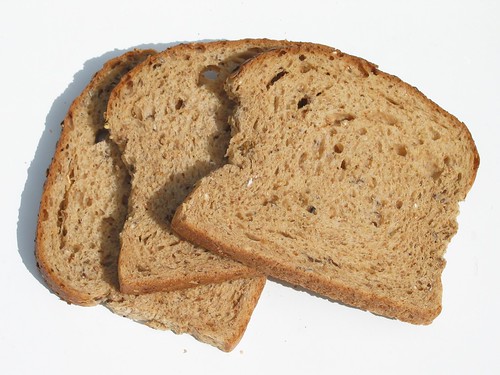
It's the butter that is bad for you, not the bread... right? (Photo from flickr.com)

What happens when you follow the American Heart Association's dietary recommendations? You know, a diet high in whole grain, vegetables, fruit and berries, but low in animal protein and fat, especially that nasty artery-clogging saturated fat.

According to conventional wisdom, you will be healthier in general. In particular, your cholesterol levels are supposed to improve – though it's never quite clear what "improvement" here means. Is it lower total cholesterol? Or perhaps lower LDL and higher HDL? And what about triglycerides and oxidized LDL?

Fortunately, a few years ago the Journal of the American Heart Association published a study that looked at what happens to cholesterol levels while on the officially heart-healthy diet (link). In contrast to many other studies, the participants in this one were healthy and had normal cholesterol levels to begin with. The idea was to see whether adopting an optimal diet would make them even healthier.

Study design and composition of diets

The study included 37 healthy women and consisted of two phases. During the first phase, the women followed a low-fat, low-vegetable diet for five weeks. After that, there was a three week washout period, followed by the second experimental diet. This second diet was the "optimal" diet, which was also low-fat but this time included lots of vegetables, fruit and berries. To make sure that the dietary guidelines were followed, the meals were supervised.

Both diets included 8 portions of grain products, 3-4 portions of low-fat or fat-free dairy products, and 2 portions of lean meat, chicken or fish. In the first phase, the subjects were given 2 portions of fruit and vegetables per day. In the second phase, the amount of fruit and vegetables was increased to 4-5 and 5-6 portions, respectively.

Dietary fats were replaced vegetable oils and spreads which contained minimal amounts of trans fats. The amount of total fat and saturated fat decreased, whereas the amount of polyunsaturated fats increased. To replace the lost calories, the subjects ate more carbohydrates and protein. Fiber intake also increased; in the second phase, it was nearly twice as much as at baseline.

Thus, both diets were very close to official recommendations: they included only moderate amounts of fat and animal protein, the fat was mostly from vegetable oils high in polyunsaturated fatty acids, dairy products were low in fat or fat-free, and grain products high in fiber were included. In addition, the second phase was high in veggies, fruits and berries.

HDL, LDL and triglycerides

After the low-fat, low-vegetable phase, total cholesterol was unchanged. On the other hand, triglycerides and HDL decreased, while LDL levels increased. The increase in LDL was apparently not statistically significant, which is probably due to the small sample size.

When the amount of vegetables, fruit and berries was increased, total cholesterol decreased. Triglycerides remained the same, but both HDL and LDL decreased:

The effect of a low-fat diet on cholesterol

Thus, reducing the amount of fat in the diet and replacing animal fats with vegetable oils did not change total cholesterol but did change the cholesterol profile: HDL and triglycerides decreased, while LDL increased. From the "good cholesterol, bad cholesterol" standpoint, adopting a low-fat diet actually changed things for the worse.

Things were not much better when vegetables, fruit and berries were added to the low-fat diet. Total cholesterol was clearly reduced, which by some standards is admittedly a positive change. Importantly, however, this change was not achieved through a decrease in "harmful" LDL but in "healthy" HDL.

The amount of triglycerides did decrease compared to baseline, but the reason is unclear. Generally, replacing fats with carbohydrates seems to increase triglycerides. Also, triglycerides decreased after the first phase, when the diet was low in vegetables, and did not decrease further after the second phase, so dietary antioxidants don't seem to be the explanation either. One thing that comes to mind is alcohol intake, which is not reported in the study. Perhaps the subjects reduced their alcohol intake while on the experimental diets? That would show up as a lower triglyceride score, but we can't know for sure.

Oxidized LDL and lipoprotein (a)

Both oxidized LDL and lipoprotein (a) are independently associated with a higher risk of atherosclerosis – more so than total cholesterol or LDL. In fact, oxidized LDL (ox-LDL) is believed to cause clogging of arteries and inflammation. Lipoprotein (a), also called Lp(a), is a known risk factor in many cardiovascular diseases, although its function is not entirely understood.

The most interesting result of the study is that the number of oxidized LDL particles and Lp(a) increased significantly as a result of following the low-fat diets. Oxidized LDL increased by a whopping 27% in the first phase. Even after vegetables, fruits and berries were added to the diet, ox-LDL levels were still 19% higher than at baseline. Similarly, Lipoprotein (a) was 7% higher after the first phase and 9% higher after the second phase compared to baseline.

What this means is that two important risk factors of atherosclerosis worsened markedly after following the very dietary recommendations that are supposed to reduce risk of atherosclerosis. Although plasma antioxidant capacity correlated with the intake of fruit, vegetables and berries, the antioxidants in them were clearly not enough to protect from these harmful changes.

The changes in total cholesterol, HDL, LDL and triglycerides were relatively small, which may be partly due to the short duration of the study. However, the 27% increase in ox-LDL demonstrates that diet can have a dramatic even in a short period of time.

Conclusion

The authors describe the results as "unexpected". According to them, a decreased intake of fat – especially saturated fat – should have led to a decrease in risk factors. They quote a number of studies where replacing saturated fatty acids with polyunsaturated fatty acids led to a "beneficial" decrease in total cholesterol. So why did the risk factors of atherosclerosis not see a similar "beneficial" change?

It is true that fats and oils high in polyunsaturated fatty acids generally tend to lower cholesterol (although the relationship between different fatty acids and cholesterol is more complicated than that). A completely different question is whether total cholesterol even matters, however. Even official recommendations acknowledge that the ratio of LDL to HDL is a better predictor of CVD than total cholesterol.

As was to be expected, the low-fat diets in this study did reduce total cholesterol. But if that decrease happens by reducing HDL and not changing or even increasing LDL, is the change really for the better? Most importantly, if the drop in total cholesterol comes with a marked increase in Lp(a) and oxidized LDL, can the results really be seen as beneficial?

Since the results of the study are incompatible with the cholesterol hypothesis and dietary recommendations, the authors came up with an alternative explanation. According to their hypothesis, high Lp(a) and ox-LDL may in fact be a sign of existing artherial damage being fixed and therefore a positive thing – but of course only in the case of low-fat diets. Right.

For anybody who has been keeping up with the gradual destruction of the cholesterol hypothesis, these results are not all that surprising. For example, we already know that polyunsaturated fatty acids oxidize much more easily than monounsaturated or saturated fats. It seems logical that LDL would be oxidized also.

What is somewhat surprising, however, is that the study was published in a journal that promotes the official dietary recommendations as heart-healthy.

For more information on cholesterol and diets, see these posts:

Which Oils and Fats Are Best for Cooking?
Carotenoids and Lipid Peroxidation: Can Vegetables & Fruit Reduce ALEs?
Sugar and AGEs: Fructose Is 10 Times Worse than Glucose
Anthocyanins from Berries Increase HDL and Lower LDL

Read More......


Digg Technorati del.icio.us Stumbleupon Reddit Blinklist Furl Yahoo

Wednesday, September 23, 2009

Should Saturated Fat Be Avoided in Low-Carb Diets?

Butter fat is about 12% myristic acid, which increases both LDL and HDL.
Butter fat is about 12% myristic acid, which increases both LDL and HDL. (Photo by No. Meds)

Browsing through older issues of Nutrition & Metabolism, I came across an interesting article on saturated fats. It's a commentary to another article, titled "The case for low carbohydrate diets in diabetes management" (link). In the original paper, the authors argue that low-carb diets are better than traditional low-fat, high-carbohydrate diets for weight loss, blood pressure, metabolic syndrome and dyslipidemia. They also note that low-carb diets reduce triglycerides and increase HDL.

However, the authors are skeptical of the popular Atkins diet, because of its potentially high saturated fat content. Their recommendation is to limit saturated fat consumption and to use monounsaturated and polyunsaturated fats instead. So, while they succesfully dispel common myths about low-carb diets, they still propagate the myths about saturated fat being detrimental to health.

The authors behind the commentary, Volek and Forsythe, go over several myths about saturated fat and cholesterol (link). While they commend the authors of the first paper on their observations on low-carb diets in general, they note that restricting saturated fat is unnecessary.

The reason is that much of the bad reputation of saturated fat comes from overgeneralizations and misinterpretations of the data. To make a statement like "saturated fat is bad for you" doesn't really tell us much. Even if we narrow it down to saturated fat being bad for cholesterol, it still just leaves us with more questions.

Is all saturated fat bad or just some? Does the amount of saturated fat matter? Do combinations of different saturated fats behave differently than single saturated fats? And importantly, what does "bad for cholesterol" mean exactly – does it increase total cholesterol, increase LDL, decrease HDL, or something else entirely?

While the commentary doesn't answer every possible question on saturated fat and cholesterol, it does shed light on some of these questions. Since I was so inspired by this article, I've also referenced quite a few related studies not mentioned in the commentary.

First, there are different types of saturated fat. One way of categorizing fats is according to their carbon chain length, and this factor plays a part in how fats affect cholesterol levels. For example, stearic acid, which has an 18-carbon-chain (C18) and is found especially in meat and cocoa butter, does not raise cholesterol levels (link). Palmitic acid (C16) and myristic acid (C14) seems to raise cholesterol the most (link, link). Depending on the study, the cholesterol-raising effect of lauric acid (C12) is either slightly lower (link) or higher than that of palmitic acid (link). Clearly, saying that all saturated fats behave the same way is an oversimplification.

Second, the dietary context in which saturated fat is consumed plays a crucial part. Nobody eats only saturated fat. The lipid profile will depend not only on the amount of saturated fat, but also on the ratio of protein, fat and carbohydrates. Replacing carbohydrates with any fat will lower fasting triglycerides, and replacing carbs with saturated fat also raises both HDL and LDL (link). When total fat intake is relatively low, increased saturated fat intake is associated with less progression of atherosclerosis (link). Interestingly, the same study also showed that when replacing carbohydrates or protein, polyunsaturated fats were not associated with progression of atherosclerosis, but when they replaced other fats, they were.

In addition, it might makes a difference which other fatty acids are consumed with saturated fats. For example, when palmitic acid is consumed with linoleic acid (an unsaturated omega-6 fatty acid), it ceases to increase cholesterol levels (link). When dietary olive oil is replaced with palm oil, which is high in palmitic acid, no change in cholesterol is seen (link), possibly because other fatty acids are also present in the average diet.

The form in which the saturated fatty acid comes is also important. In a synthetic form, myristic acid raises total cholesterol less than palmitic acid (link). However, when compared to palm oil, myristic acid raises total cholesterol more (link). All this goes to show that it's surprisingly difficult to draw conclusions about how saturated fat from natural sources affects cholesterol levels based on studies using single fatty acids.

The third and final point is that the effect of saturated fat on total cholesterol levels is not very interesting, since total cholesterol is a poor predictor of disease. Rather, it's the effect on triglycerides, the LDL/HDL ratio, and the size of lipoprotein particles that we're mostly interested in. And, unfortunately for those who are scared of saturated fat, reducing saturated fat intake decreases HDL, especially large HDL (link). On the other hand, increasing saturated fat intake decreases triglycerides, increases HDL size (link) and increases LDL size during low-carb diets (link). High HDL combined with large LDL and HDL particle size is common among people who are long-lived (link).

As for how individual saturated fatty acids affect these factors, different studies report different findings. Most reviews on the subject agree that all saturated fatty acids except stearic acid increase LDL (link). Lauric acid has been shown to increase especially HDL (link), while stearic acid was shown to improve the ratio of total cholesterol to HDL more than palmitic or myristic acid (link). In fact, palmitic acid doesn't seem to change HDL one way or the other, whereas myristic acid increases it, albeit less than it increases LDL (link).

So, to wrap things up, the take home messages of the above are:
  1. The effect on cholesterol depends on the length of the carbon chain: in general, stearic acid is neutral, while palmitic acid, myristic acid and lauric seem to increase total cholesterol.

  2. Saturated fats don't exist in a vacuum: all the other stuff in the diet will also make a difference in how cholesterol levels are affected by saturated fat.

  3. Make sure you know what you're trying to achieve: if avoiding saturated fat, care should be taken to minimize reductions in HDL levels and lipoprotein particle size.
Of course, looking at individual fatty acids doesn't really tell us much about how saturated fats from food sources like meat, coconut, palm fruit, and butter affect cholesterol levels, but as I'm running out of time and space here, that'll have to be a subject for another post.

For more information on fat and cholesterol, see these posts:

SAs, MUFAs vs. PUFAs: Fat Storage Depends on Type of Fatty Acid in Rabbits
Blood Test Analysis: The Cholesterol and Saturated Fat Issue Revisited
Low-Carb vs. Low-Fat: Effects on Weight Loss and Cholesterol in Overweight Men
Anthocyanins from Berries Increase HDL and Lower LDL

Read More......


Digg Technorati del.icio.us Stumbleupon Reddit Blinklist Furl Yahoo

Thursday, August 6, 2009

Anthocyanins from Berries Increase HDL and Lower LDL

Black currants are even higher in anthocyanins than blueberries.
Black currants are even higher in anthocyanins than blueberries. (Photo by Marylise Doctrinal)

You've probably heard a million times that berries are good for you, but how many of us know how they really benefit health?

Here's one good example: they improve cholesterol levels. Or, to be more specific, it's the anthocyanins in berries that do. A new study found that daily anthocyanin supplementation significantly increased HDL while decreasing LDL (link). In this post, we'll take a closer look at the paper.

Study method

The study included 120 subjects aged 40-65 years with dyslipidemia. Dyslipidemia generally refers to a poor lipid profile and can mean either high LDL, high triglycerides, low HDL, or a combination of these. A high total cholesterol alone does not necessarily count as dyslipidemia.

At the beginning of the study, the participants had total cholesterol levels around 225 mg/dL, LDL around 159 mg/dL, HDL around 46 mg/dL, and triglycerides around 200 mg/dL.

The subjects were given 320 mg anthocyanins or placebo daily for 12 weeks. The supplements contained 17 different anthocyanins extracted from bilberry and black currant. The participants were instructed to take the supplements twice per day (2 x 160 mg) 30 minutes after breakfast and supper and to maintain their usual diet and lifestyle.

Results

Serum HDL cholesterol increased significantly more in the anthocyanin group (13.7%) than in the placebo group (2.8%) after 12 weeks of treatment. Serum LDL cholesterol decreased by 13.6% in those who consumed anthocyanins and increased by 0.6% in those who received placebo. No significant differences were seen in total cholesterol and triglyceride levels.

In other words, while total cholesterol levels were similar between the groups, the lipid profile of those who ate anthocyanins was much better. Their HDL levels increased and LDL levels fell significantly, while in the placebo group only a slight improvement in HDL was seen. Here's a quote from the authors:

The 13.6% decrease in LDL and 13.7% increase in HDL observed in the present study would result in a nearly 27.3% reduction in coronary heart disease risk, which is meaningful and greatly promising.

No changes were observed in weight, BMI, waist/hip circumference, and blood pressure between the groups. Furthermore, anthocyanin consumption had no effect on red and white blood cell counts and hemoglobin.

Anthocyanins from berries or supplements?

So what about eating berries instead of taking supplements? According to one source, black currants contain 476 mg anthocyanin per 100 grams on average, while blueberries contain 386 mg (link). A second source says black currants contain 254-434 mg (link), while another source reports an anthocyanin concentration between 84-114 mg in blueberries (link), and yet another 62 mg for blueberries and 300 mg for bilberries (link).

According to the USDA database (link), raw blueberries contain about 160 mg anthocyanins and frozen blueberries about 90 mg. Wild raw blueberries take the blueberry cake with 320 mg, but raw bilberries are even better with 430 mg anthocyanins per 100 grams. Raspberries and strawberries contain a measly 20-40 mg, depending on whether they're frozen or fresh.

To make some sense out of this, it seems that blackcurrants and bilberries have the most anthocyanins, followed by blueberries. A cup of any of these berries per day would come pretty close to the amounts used in the study. Strawberries and raspberries are a distant third.

Keep in mind that these figures are not carved in stone, as it's impossible to give an exact calculation of how much anthocyanins a cup of berries will give you. The variation in anthocyanin content is very high, and the actual amount depends on the cultivar and also when and where the berries are picked. It's useful to know, however, that the concentration of anthocyanin actually increases with ripening, and that while freezing does destroy some of the anthocyanins, most of them survive the process (link).

Conclusion

Anthocyanins increased HDL and decreased LDL by more than 13% in subjects with dyslipidemia. The anthocyanins were extracted from bilberry and black currant and given in supplement form, 160 mg taken twice daily after breakfast and supper for a total of 320 mg.

A cup of black currants, blueberries or bilberries (frozen or fresh) would give roughly the same amount of anthocyanins as the supplements used in the study.

For more information on cholesterol, see these posts:

Niacin Raises HDL, Lowers LDL, VLDL & Triglycerides
Blood Test Analysis: The Cholesterol and Saturated Fat Issue Revisited
Coconut Lowers LDL, VLDL and Triglycerides, Raises HDL
Low-Carb vs. Low-Fat: Effects on Weight Loss and Cholesterol in Overweight Men

Read More......


Digg Technorati del.icio.us Stumbleupon Reddit Blinklist Furl Yahoo

  © Blogger template 'Perfection' by Ourblogtemplates.com 2008

Back to TOP