Thursday, October 29, 2009

Prebiotics, Synbiotics and the Immune System
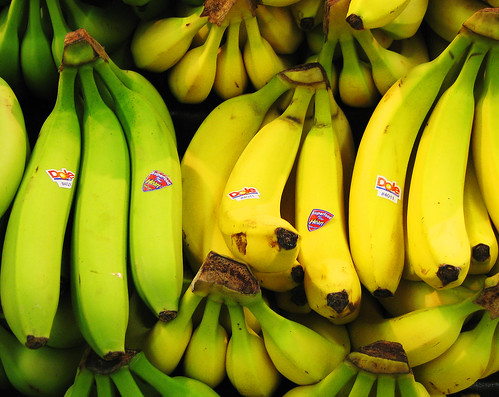
Bananas contain a small amount of prebiotics.
Bananas contain a small amount of prebiotics. (Photo by clairity)

Last week I wrote about the effectiveness of probiotics for improving gut health and immunity. While not all studies agreed they could ward off the flu, pretty much all of them found at least some positive effects on the immune system from taking probiotics.

As mentioned, probiotics are available as supplements and in some foods such as dairy products. But there's also another way of promoting healthy bacteria in the gastrointestinal tract: prebiotics. Prebiotics are non-digestible ingredients in food that stimulate the growth and activity of healthy bacteria inside the body. In a sense, prebiotics cause the body to produce its own probiotics.

What are prebiotics?

There is some disagreement in the scientific community over which substances are probiotics, but at the minimum this category includes oligofructose and inulin. Oligofructose is a fructooligosaccharide, which refers to a short chain of sugar (in this case fructose) molecules. Inulins are a group of polysaccharides, which means a long chain of sugar molecules.

Since these prebiotics are composed of sugars, they are carbohydrates, and since they are indigestable, they are fibers. Further, inulin and oligofructose are soluble fibers, meaning that they're able to dissolve in water. Though they can't be digested, they do undergo fermentation as the bacteria get their hands on them. At the same time, the microflora of the gut is affected.

As the bacteria metabolise prebiotics in the colon, significant quantities of carbon dioxide, hydrogen and methane are released, which means that eating foods with prebiotics can cause gas. With long-term consumption, as the body grows accustomed to inulin and oligofructose, this unpleasant side effect is reduced.

Food sources of prebiotics

Inulin and oligofructose are naturally present in many plant foods, but their quantities differ significantly. Here's a list of foods in decreasing order of their average prebiotic content (values per 100 g [link]):

  • Chicory root: 41.6 g inulin, 22.9 g oligofructose
  • Jerusalem artichoke: 18.0 g inulin, 13.5 g oligofructose
  • Dandelion greens: 13.5 g inulin, 10.8 g oligofructose
  • Garlic: 12.5 g inulin, 5.0 g oligofructose
  • Leek: 6.5 g inulin, 5.2 g oligofructose
  • Asparagus: 2.5 g inulin, 2.5 g oligofructose
  • Wheat bran: 2.5 g inulin, 2.5 g oligofructose
  • Wheat flour, baked: 2.4 g inulin, 2.4 g oligofructose
  • Banana: 0.5 g inulin, 0.5 oligofructose

Note that unless stated otherwise, these figures apply to raw foods. Cooking in general seems to reduce content of prebiotics by 25-75%. Chicory root and Jerusalem artichoke (not to be confused with the globe artichoke, which is green in color) clearly take the cake. Even when cooked, these two plants still contain plenty of inulin and oligofructose.

Prebiotics and the immune system

Since probiotics have been shown to benefit the immune system, and prebiotics promote probiotic bacteria in the gastrointestinal tract, it makes sense that the consumption of prebiotics would have similar effects. Unfortunately, for those interested in preventing the common cold and other viral infections, not many studies have actually looked at whether prebiotics are effective. With that in mind, let's take a look at the evidence behind prebiotics and their effect on immune health in general.

There are some studies on humans showing that the consumption of prebiotics does modify the immune system (link, link). Specifically, prebiotics may reduce intestinal infections and intenstinal inflammation. On the other hand, inulin and oligofructose can also activate immune cells and increase the cytotoxicity of natural killer cells and the production of cytokines (link). In rats, prebiotics increase the number of T cells, interleukin-2 and interleukin-4, which indicates that prebiotics enhance the immune system (link).

One study found that a prebiotic galacto-oligosaccharide mixture was helpful in reducing travellers' diarrhoea (link). Those who got the prebiotic instead of the placebo had fewer incidences and less symptoms of diarrhoea when travelling to foreign countires. In infants, human milk protects from morbidity and mortality due to diarrhoea compared to formula milk, most likely because of the presence of prebiotic oligosaccharides in human milk (link). Some studies have also shown that prebiotics may help with irritable bowel syndrome (link), but the evidence is inconclusive. And, even though prebiotics may cause gas, they can also help with lactose intolerance (link).

A commonly cited example of the health effects of probiotic-containing foods is their anticarcinogenic activity. This is at least in part due to the stimulation of lactic acid producing bacteria in the colon, since lactic acid producing bacteria reduce the ability of microflora to produce carcinogens. Prebiotics seem to have a similar effect (link), possibly being even more effective than probiotics (link).

As for influenza, one study found that gamma-inulin, the active component of inulin preparations, improved the response to a variety of antigens in mice (link). When given a lethal dose of the influenza virus, all of the mice died, but when gamma-inulin was administered at the same time, half of them survived.

Synbiotics: even better than prebiotics and probiotics?

Synbiotics is the fancy name given to combinations of probiotics and prebiotics. The idea is that these two would work synergistically to produce even better results than either one would alone. Indeed, there is some evidence that synbiotics are superior to prebiotics and probiotics (link). In any case, the effect of synbiotics is different from that of pre- or probiotics (link).

Not all the studies are quite as promising, however One study found that rats fed prebiotics actually had a poorer resistance to salmonella than controls (link). This impairment was partially but not entirely prevented by calcium phosphate. It's not clear whether the same applies to humans, but it does emphasize the fact that we don't entirely understand how synbiotics affect the immune system.

Conclusion

While almost all studies have shown at least some benefit from probiotics, less is known about the effect of probiotics and synbiotics on the immune system. Prebiotics appear to increase the number and activity of probiotic bacteria in the body, but studies in humans and animals have yielded inconclusive results.

Sources of prebiotics, namely inulin and fructooligosaccharide, include nutritional supplements and plant foods. Compared to most commonly consumed foods with prebiotics, such as wheat and banana, supplements are often a better source. However, Jerusalem artichoke and chicory root are the best sources of inulin and fructooligosaccharide, containing much more than any supplement.

For more information on immunity and supplements, see these posts:

Enhancing Immunity with Probiotics: Can They Ward Off the Flu?
Swine Flu and Avoiding the Cytokine Storm: What to Eat and What Not to Eat?
Examining Possible Causes for Slower Wound Healing
How to Choose Between Different Forms of Coenzyme Q10: Ubiquinone vs. Ubiquinol

Read More......


Digg Technorati del.icio.us Stumbleupon Reddit Blinklist Furl Yahoo

Tuesday, October 20, 2009

Enhancing Immunity with Probiotics: Can They Ward Off the Flu?

Kefir is a natural source of probiotics.
Kefir is a natural source of probiotics. (Photo by uncle andrey)

I don't know if it's the swine flu or a normal influenza virus going around, but seems like everybody's been getting sick during the past few months. This particular virus is particulary resilient, with people being ill for weeks at a time.

I succesfully managed to avoid the flu for about a month, while just about everyone else was complaining about the cold that just won't go away. Feeling very pleased with myself, I put my exceptional immunity down to the optimal vitamin D levels I've achieved after supplementing with 5,000 IU per day. This really has reduced the frequency of colds, but it wasn't enough to save me from catching the same thing as everyone else.

So, having nothing better do to than to lie in bed feeling crappy, I thought I'd educate myself on the subject of curing and preventing viral infections such as the common cold. Given that a prescription for antibiotics (to treat an ear infection) oddly coincided with my falling ill, I was interested in whether probiotics might be of use. In this post, we'll take a look at the evidence behind probiotics and immunity.

What are probiotics?

Our bodies are host to trillions of microorganisms, most of which are good and some of which are harmful. Probiotics is the name given to some strains of bacteria (a type of microorganism) that are thought to promote overall health.

These bacteria either naturally exist in foods, or are used to fortify foods, or sold as supplements. Yoghurt, for example, may naturally contain live strains or bacteria, but there are also lots of yoghurts with added bacteria. The idea is that by consuming these bacteria, their proportion in the gastrointestinal tract is increased, which in turn will have benefits for health.

Probiotic bacteria play several roles in maintaining overall health. We probably don't know all the ways probiotics effect health, but here's a list of functions commonly cited in the literature:

  • Boosting the immune system
  • Limiting the growth of pathogenic organisms
  • Food digestion
  • Nutrient absorption
  • Protection from cancer
  • Allergy resistance

The function we're interested here is immune enhancement. Probiotic bacteria play a key part in immune function through a variety of mechanisms (link). For example, they increase the number of circulating white blood cells or leukocytes, which defend the body against infectious disease. They also increase levels of antibodies or immunoglobulins, which are used to identify and neutralize foreign objects like viruses and bacteria.

Can probiotics prevent the flu?

While the bacteria in the gastrointestinal tract clearly play an important role in immune function, it's far less clear whether probiotics consumed with foods or as supplements have any effect. Some product reviews have revealed that up to a half of the probiotic products studied may contain significantly less live bacteria than advertised. And even if they do contain the bacteria, will eating them enhance the immune function?

Well, at least pharmaceutical grade probiotic products seem to do the trick. In one study, healthy Swedish workers were randomised to receive either Lactobacillus reuteri or placebo for 80 days (link). In the placebo group, 26.4% reported being sick during this period, compared with only 10.6% in the probiotic group. These figures included only illnesses related to the respiratory and/or gastrointestinal tracts, so the probiotic treatment clearly improved their immune system. It was especially effective in those participants who worked the night shift.

In a 6-month study on children, probiotic consumption reduced both the duration and incidence of fever and cough compared to placebo (link). The probiotic strains used were Lactobacillus acidophilus and Bifidobacterium animalis. The combination of the two was better than L. acidophilus alone, reducing fever incidence by 72.7%.

Another study found that the cellular immunity of the elderly improved when the probiotic Bifidobacterium lactis HN019 was added into their milk (link). The authors note that the improvements were greatest in those participants who had poor immune systems before the treatment. Instead of measuring how often they got sick, however, the authors measured the proportions of T lymphocytes and natural killer cells, so it's not clear how this translated into overall health.

Indeed, not all studies have shown that probiotics can prevent you from catching a cold. One large study found that supplementing healthy adults with probiotic lactobacilli and bifidobacteria had no effect on the incidence of the common cold (link). It did, however, reduce the severity of symptoms and shorten their duration by almost 2 days.

Conclusion

Probiotic bacteria are known to play an important role in immune function. Less is known, however, about whether taking probiotic supplements can enhance the immune system and reduce the incidence of viral infections such as the common cold.

Based on the few studies that have actually looked into this, it seems that at the very least, long-term supplementation with probiotics reduces the duration and severity of the symptoms flu. Some of the studies also found that probiotics dramatically reduced the incidence of flu. Thus, there is a basis for the claim that probiotics can help prevent you from getting sick.

There's no evidence that taking probiotic supplements after you've gotten sick will do anything, however. It also appears that the effect of probiotic is greatest in those people whose immune systems are not working properly or are under a lot of stress.

Keep in mind that some of the foods with added probiotics may not actually contain any live bacteria, despite what it says on the label, since the bacteria die quickly unless the product is kept refridgerated. The same is true of supplements in capsule form, unless it specifically states that the product is stable in room temperatures. With powdered supplements, moisture is a potential problem.

For more information on supplements and immunity, see these posts:

L-Carnitine, Exercise Performance & Oxidative Stress
The Role of Coenzyme Q10 in Oral Health
Swine Flu and Avoiding the Cytokine Storm: What to Eat and What Not to Eat?
Examining Possible Causes for Slower Wound Healing

Read More......


Digg Technorati del.icio.us Stumbleupon Reddit Blinklist Furl Yahoo

Wednesday, October 7, 2009

Fats and AGEs: PUFAs Are Even Worse than Fructose

Olive oil is mostly monounsaturated fat.
Olive oil is mostly monounsaturated fat. (Photo by Splat Worldwide)

While the exact role AGEs play in aging is still unclear, it seems that reducing their accumulation in the body is a useful goal. And if for no other reason, how about being superficial: liver spots, for example, are a visible sign of AGEs in the skin. If you want to look youthful, glycation is not the way to go.

The question of how to avoid AGEs has proven to be more difficult than one might think, however. If it was merely a matter of reducing the formation of advanced glycation end-products during cooking, we could just cook our foods at lower heat and use water instead of frying at high temperatures. But as we've seen, the AGEs we get directly from food may not be as important as the AGEs that form inside our body as a result of internal glycation.

The term 'advanced glycation end-product' is somewhat misleading in the sense that they are not formed only by glycation, which refers to glucose molecules binding to protein or lipid molecules, but also by fructation, which is essentially the same thing but this time with fructose. In fact, fructose is much more prone to form these products than glucose. Since there's no such term as 'advanced fructation end-product', they're also referred to as AGEs (other sugars like galactose go through a similar process too; more on that in another post).

To complicate this further, similar products are also formed during cooking when fats alone are exposed to high heat and air. This process is known as lipid peroxidation. The end results of lipid peroxidation are referred to as either AGEs or ALEs, short for advanced lipoxidation end-products. For the sake of simplicity, I will refer to all of them as AGEs, unless the difference is important.

So we now have several different ways to accumulate AGEs: eating cooked foods that contain sugars heated with protein or fats, eating uncooked foods that contain sugars, or eating oxidized fats. And, like glycation, lipid peroxidation can also happen endogenously. That is, even if the fats you eat do not contain any AGEs, they can still form AGEs inside the body if they are unstable and prone to oxidation.

The bad news is that not only does lipid peroxidation lead to AGEs, it appears to do so more rapidly than glycation does. CML, a product of the oxidative degradation of glycated protein and a common measure of AGE levels, is actually formed through the oxidation of arachidonic acid in much higher quantities than from glycation (link). CML is a handy way to compare things, because it can be formed through glycation, fructation or lipid peroxidation.

The reason you should keep your fish oil and flax seed oil in the fridge is precisely because they, like other highly unsaturated fats, are easily oxidized (link). Cooking with these oils is a really bad idea. Through lipid peroxidation, polyunsaturated fats or PUFAs are more prone to form AGEs. Below is a comparison of CML formation from three different fatty acids and glucose (link):


AGE formation from glucose and lipids
The left graph shows that arachidonic acid forms CML at about twice the rate as linoleic acid. The formation of CML from oleic acid is close to zero. Compared to glucose in the right graph, the two PUFAs here are at least 10 times as prone to AGE formation – very much like fructose, except that if you look at the fructose graphs, the 10-fold increase is not seen as early as it is in these graphs.

The explanation for the differences is that lipid peroxidation increases exponentially as a function of the number of double bonds (link), i.e. the degree of unsaturation. Arachidonic acid is a 20-carbon chain PUFA with four double bonds and linoleic acid is an 18-carbon chain PUFA with two double bonds. Oleic acid, like all MUFAs, has one double bond. Note that this equation makes the omega-3 fatty acids DHA and EPA (with their 6 and 5 double bonds, respectively) the worst offenders.

So oils high in PUFAs seem to have the ability to raise the AGE burden much more than glucose, or even fructose. This could potentially explain some of the differences in AGE levels between omnivores and vegetarians – maybe vegetarians eat more vegetable oils than omnivores, since glucose and fructose intakes alone are insufficient to explain the results. The authors of the paper state:

Oxidation of fatty acid is clearly a more efficient source of CML, despite the fact that the glucose is in solution throughout the course of the experiment, while the PUFA are only progressively solubilized. Further, after 6 days of incubation, a large fraction of the arachidonate was oxidized based on its solubilization in the aqueous phase, while less than 2% of the glucose is oxidized during this same time period.

In the same study, arachidonic acid produced more than 10 times the amount glyoxal than it did CML. Glyoxal is another inflammatory compound, which in food is created by heating unstable (i.e. polyunsaturated) oils to high temperatures but which, again, can also be formed inside the body. Some of this glyoxal goes on to form AGEs, but the rest that doesn't isn't exactly life elixir either.

Unfortunately, the problems don't end with CML. Polyunsaturated fats also quite easily form other AGEs, such as malondialdehydelysine (MDA-lys) and carboxyethyllysine (CEL). Indeed, rats fed a diet high in PUFAs have over twice the level of MDA-lys in their brains compared to rats fed a diet high insaturated fat diet (link). Their levels of CEL and CML in the brain and MDA-lys in the liver are also significantly higher (although CEL and CML are lower in the liver). Unsurprisingly, MDA and CML deposits in the brain are implicated in Alzheimer's disease (link).

As I mentioned before, simply avoiding cooking with oils rich in PUFAs is probably not enough, because exposing them to high heat and air in the frying pan isn't the only thing that causes them to form AGEs. Reactive species such as radicals, transition metals, other electrophiles, and enzymes can also cause their oxidation inside the body (link).

In fact, it's not certain based on the studies mentioned here just how bad food-derived ALEs are. Perhaps ALEs from food are less important than ALEs formed endogenously. Endogenous AGEs certainly appear to play a bigger role than exogenous AGEs, although consuming excess amounts of AGEs is probably not a good idea either.

Personally, I'm trying to limit both endogenous and exogenous AGEs and ALEs by avoiding cooking at high temperatures and using saturated fats for frying. Stay tuned for more posts on the issue. Meanwhile, see these posts on glycation and fats:

AGE Content of Foods
The 7 Types of Aging Damage That End up Killing You
Green Tea Reduces the Formation of AGEs
Should Saturated Fat Be Avoided in Low-Carb Diets?

Read More......


Digg Technorati del.icio.us Stumbleupon Reddit Blinklist Furl Yahoo

  © Blogger template 'Perfection' by Ourblogtemplates.com 2008

Back to TOP